Show summary Hide summary
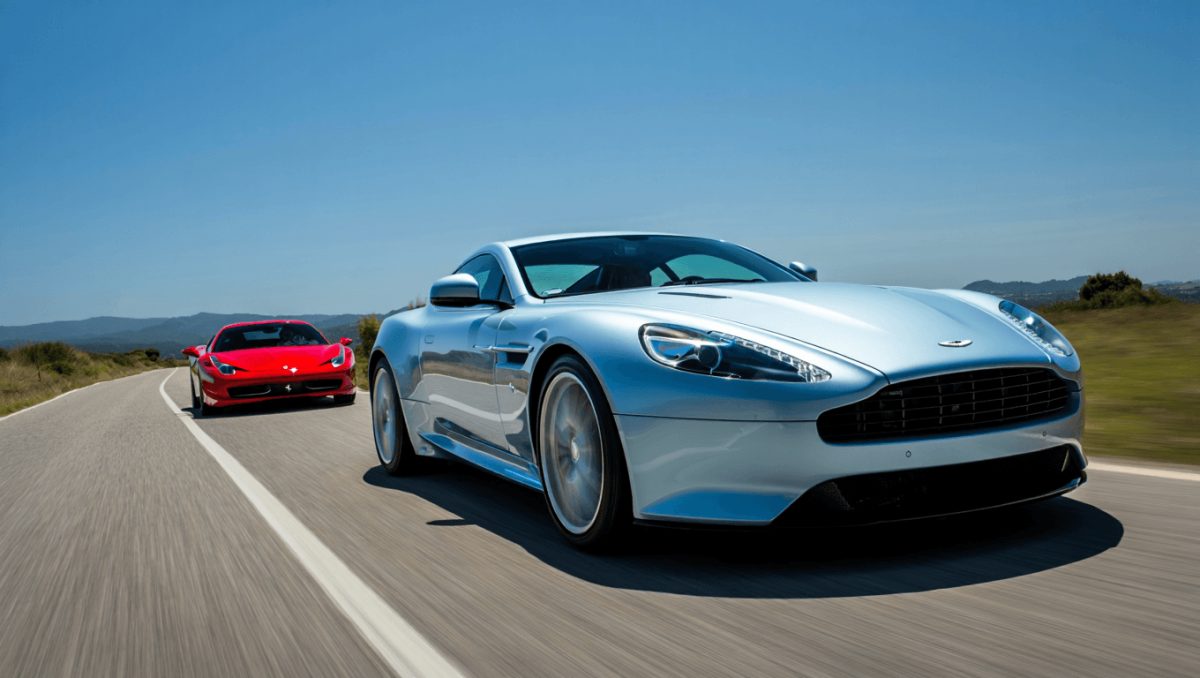
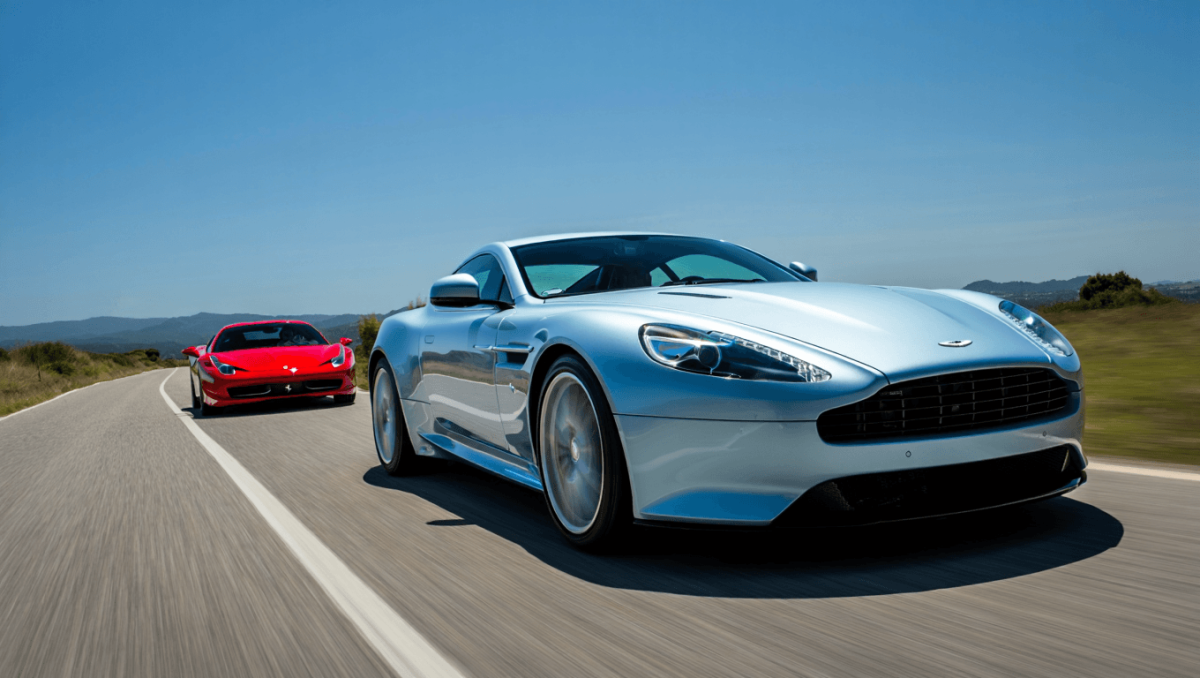
Aston Martin has sharpened its grand tourer with the arrival of the DB12 S — a more concentrated, better‑behaved version that addresses criticisms of the standard DB12 while keeping the cabin refinement buyers expect. For anyone choosing a high‑end GT today, the S reshapes the argument: it’s calmer on long runs yet tighter and more rewarding when the road gets technical.
Why this matters now
The DB12 S arrives after a run of “S” variants from Aston and represents a broader rethink rather than a light tweak. The result is a car that can genuinely serve as a long‑distance cruiser and a sharp, engaging sports machine — a combination that will influence purchase decisions in a market where Bentley and Ferrari are making aggressive moves.
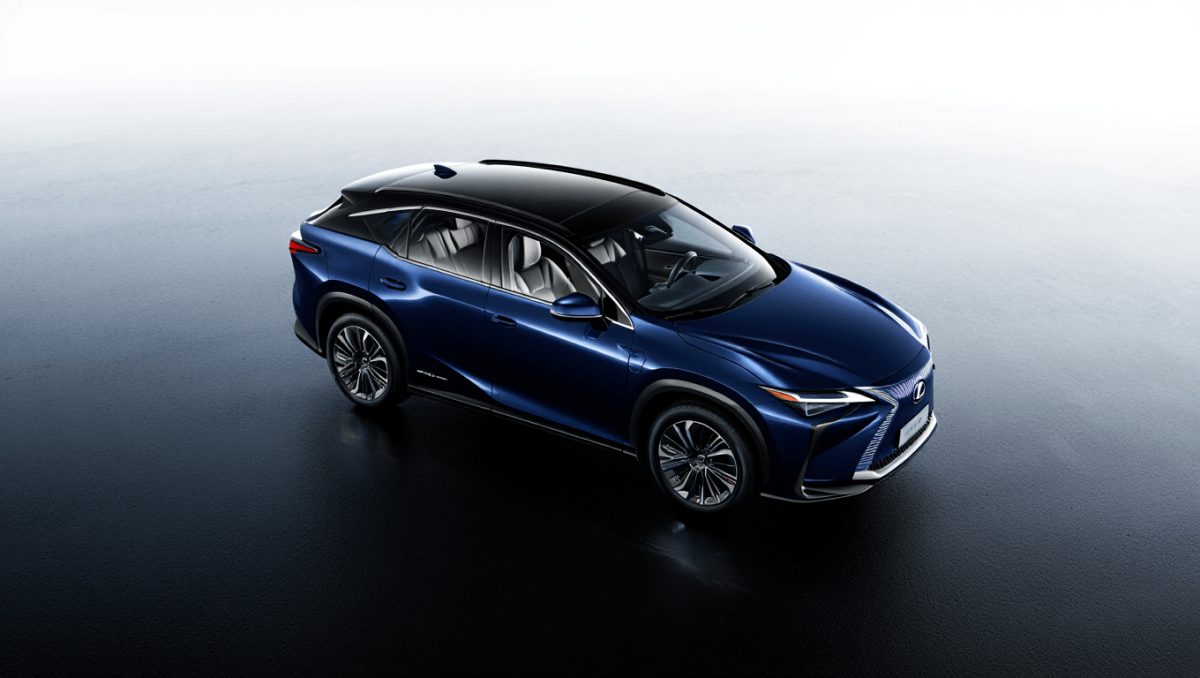
Lexus unveils six-seat electric SUV: fitted with faux V10 soundtrack
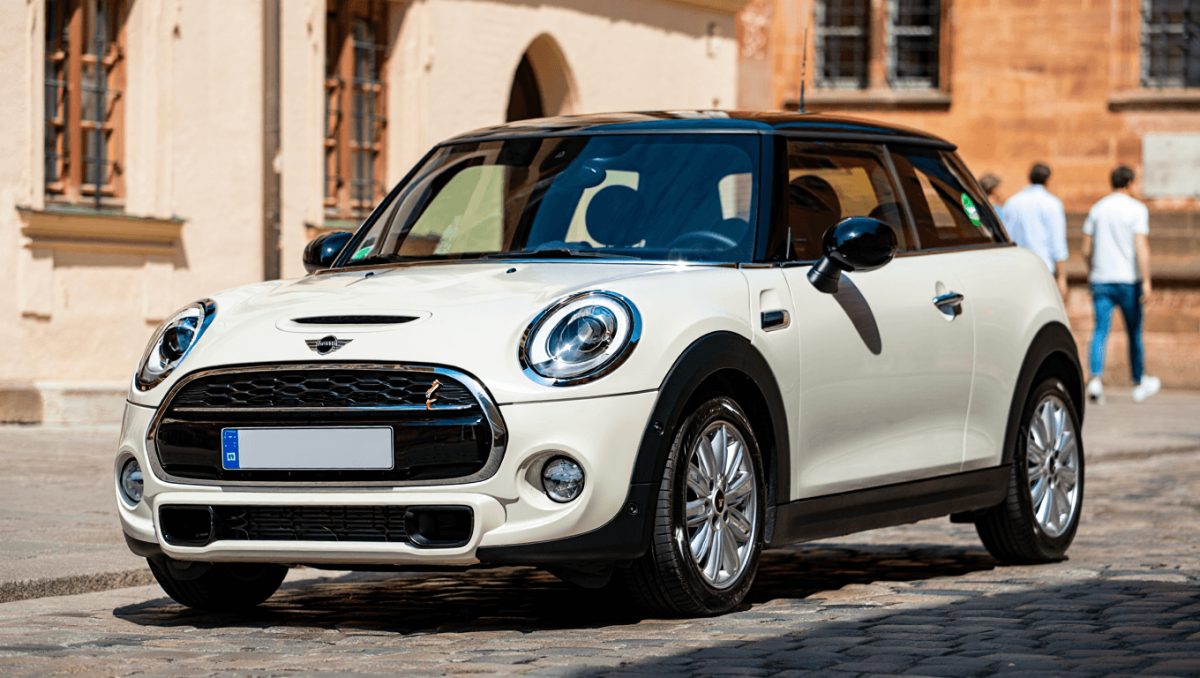
Mini Cooper to get bigger mid-cycle refresh as small-car rivalry intensifies
What Aston changed
Rather than chasing headline horsepower, engineers concentrated on chassis, steering and drivetrain harmony. Product chief Neil Hughes says the DB12 offered a large development window, which the team used to make the S feel distinct from the base model rather than simply louder or firmer.
Key technical adjustments include aerodynamic refinements aimed at improving cooling and airflow, a thorough re‑calibration of the car’s Bilstein suspension hardware, and targeted geometry and differential changes at the rear axle.
| Specification | DB12 S |
|---|---|
| Engine | 4.0‑litre hot‑vee twin‑turbo V8 (re‑mapped) |
| Power change | +20 bhp (map‑based, not new hardware) |
| Chassis | Bilstein DTX re‑calibration; rear anti‑roll bar +0.5 mm |
| Rear roll stiffness | ≈ +7% |
| Tyres | 21‑inch Michelin Pilot Sport 5 |
| Price (UK) | £211,500 |
How it feels on the road
The first impression is one of composure. Urban ripples and typical UK road imperfections that used to unsettle the DB12 are far less intrusive: the cabin remains settled, and tyre and road noise are reduced at cruise speeds.
On motorways the S keeps its grand‑tourer credentials intact. It cruises with a level of serenity that makes long runs easy, while the reworked damper characteristics avoid the abrupt reactions that previously led to a “lifting” feeling over sharp crests.
At lower speeds and on twisty routes the S reveals the other side of the upgrade. Steering has been deliberately given a weightier, more consistent feel by dialing back some electronic self‑centring assistance and relying more on the natural feedback from the tyres. The outcome is a remarkably clear, precise helm — one of the best in Aston’s front‑engined range — that lets drivers place the nose and feed it through mid‑corner with confidence.
- GT mode: calmer, more composed for long distances.
- Sport: sharper response and more focus.
- Sport+: the most engaged, with heightened engine and chassis reaction.
At the rear, a slightly stiffer set‑up — achieved in part by a wider anti‑roll bar — improves low‑speed agility without compromising high‑speed stability. Differential software has also been adjusted to be less “tight”, reducing push through corners and improving turn‑in immediacy.
Engine and transmission
Aston has not fitted a new power unit; instead the team rewrote the engine map to accentuate a livelier top‑end past around 6,000 rpm. The modest 20 bhp gain is secondary to the change in delivery: throttle response feels more linear and tractable, helped by increased clutch pressure in the lower gears that prevents abrupt rear‑end snaps at low speeds.
The combined hardware and software changes allow the DB12 S to switch character: it cruises like a premium GT, behaves like a focused sports car in Sport, and becomes genuinely aggressive in Sport+ without the nervousness that dogged the initial DB12.
Price and rivals
At £211,500 the DB12 S is pitched between two Bentley Continental GT derivatives: the Continental GT S priced at about £212,500 and the Continental GT Speed nearer £251,000. Both Bentleys use hybridised drivetrains; the Aston remains a purely combustion‑engine car and may appeal to drivers seeking a more tactile, analogue experience.
Another contemporary comparator is Ferrari’s new Amalfi (roughly £202,459), which leans more towards pure performance than GT comfort. The DB12 S, with its blend of long‑distance refinement and sharper dynamics, looks capable of running these rivals close — though a head‑to‑head test would give a definitive answer.
For prospective buyers and enthusiasts the DB12 S changes the narrative around the model. Where the original felt like a beautiful but conflicted GT, the S presents a clearer proposition: a luxurious long‑distance cruiser that can also reward an enthusiastic driver on a demanding road.
That balance will be the deciding factor for many: it restores coherence to the DB12 line‑up and strengthens Aston Martin’s offering in a competitive segment where both refinement and driver engagement matter.