Show summary Hide summary
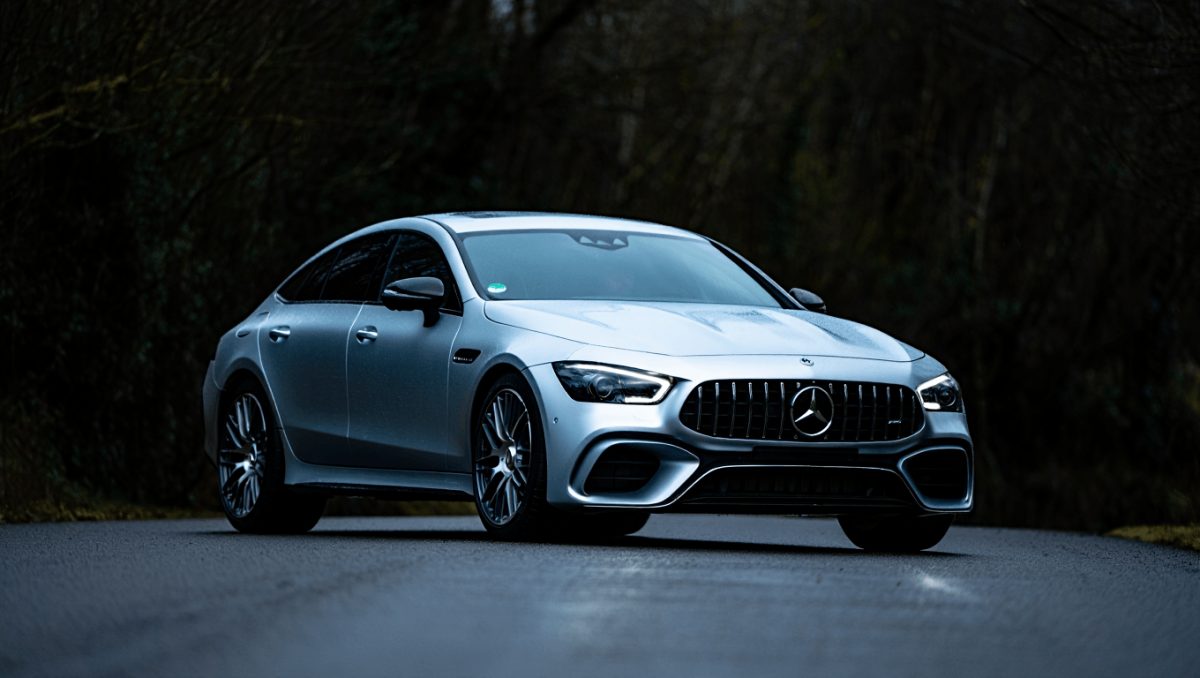
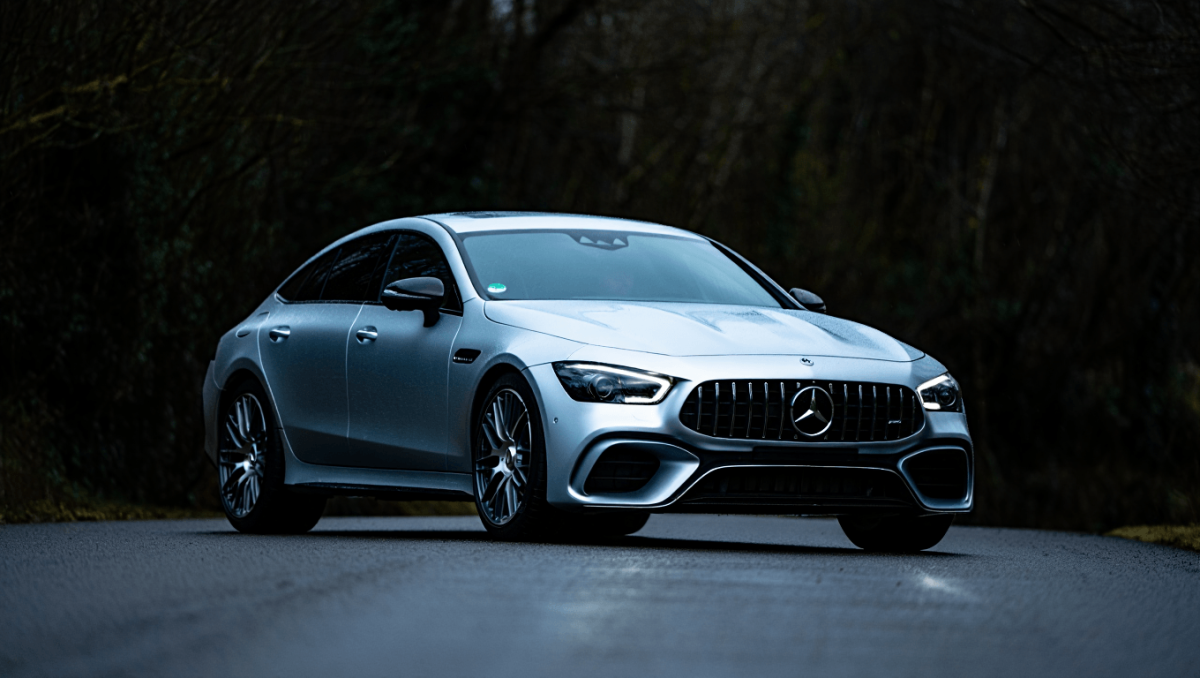
The Mercedes‑AMG GT63 S E Performance arrived as an unapologetic show of force: a plug‑in hybrid four‑door that combined a brutal V8 with an electric rear drive unit. Now discontinued early in 2026 to make space for an all‑electric successor, it serves as a late, loud chapter in the era of petrol‑led performance cars — and a useful marker of how manufacturers are managing the shift to electrification.
Engineering and what makes it different
At heart this is a GT63 S that’s been heavily augmented rather than a ground‑up hybrid. The headline figures are eye‑catching: a combined output of 831bhp, a monstrous 1,084lb ft of torque and a kerb weight around 2,305kg. AMG achieved that by pairing the 4.0‑litre twin‑turbo V8 with a dedicated electric motor integrated into a rear “super‑transaxle” (motor, two‑speed gearbox and e‑differential).
Max Verstappen makes night-time Nürburgring debut as hail batters Nordschleife
Mercedes-AMG GT63 goes hybrid with Ferrari 296-derived power in four-door saloon
The layout is designed to move mass rearwards and deliver a near 50:50 weight split. The electric system uses a compact 6.1kWh battery mounted above the rear axle — roughly 560 cells and some F1‑inspired cooling hardware — and the e‑motor contributes around 150kW (about 201bhp) to the powertrain. The 4Matic+ system can drive the fronts as well, so the electric boost isn’t purely rear‑wheel business.
- Electric range: roughly eight miles at up to 81mph in ideal conditions
- Claimed 0–62mph: 2.9sec
- Top speed: 196mph
- Real‑world fuel economy: the best observed was about 25mpg
How it feels on the road
Even before you push hard the car signals its character: deep V8 resonance, heavy presence and a tactile sense of mechanical drama that many drivers still crave. There’s an immediacy to the throttle and a tangible connection to the combustion engine that a purely electric car cannot replicate.
That said, the hybrid integration is a mixed success. Most of the time the powertrain feels cohesive; the electric unit brings immediate shove off the line and extra mid‑range urge, and the chassis — helped by rear steer and aggressive geometry — steers with surprising keenness for such a weighty car. In calmer driving the GT63 S E Performance is visceral and engaging.
Yet cracks appear when the load increases. During aggressive multi‑gear acceleration there’s a perceptible drop in torque delivery between ratios, and the gearbox can struggle to match the pace of the powertrain on some downshifts. The brakes, meanwhile, show inconsistent pedal feel — firm and grippy at times but grabby and soft in cold conditions — revealing the car’s mass at moments when composure is needed most.
Ride, modes and the dynamics puzzle
AMG Ride Control+ (twin‑chamber air springs and adaptive dampers) provides a well‑engineered compromise, but air spring characteristics still surface: a brittle reaction to high‑frequency bumps and a floating sensation over undulating surfaces. The various driver dials and the umbrella AMG Dynamics suite (Basic to Master) present a wealth of tuning options; they work, but they also underline how complex the package has become.
In short bursts of cornering the GT63 feels brilliantly balanced. Push beyond the limit, however, and the extra mass is unforgiving — transitions into oversteer can be abrupt, and the chassis loses some of the subtlety found in lighter rivals. The net result is a car that excels in straight‑line dominance and inspires confidence at most speeds, but which occasionally betrays itself on broken, technical roads.
Interior, practicality and refinement
Inside the cabin you feel the car’s intent. The driving position is assertive and the centre console is theatrically appointed, but the layout trades everyday practicality for driver‑focussed theatrics. Rear passengers get sculpted bucket seats, which reduce usable capacity and eliminate any real five‑seat claim. The boot is shallower than the non‑hybrid GT63 because of the battery intrusion.
The infotainment and electronics are capable but a generation behind the latest Mercedes models; ergonomics are competent and spec levels are high. Materials feel premium, yet NVH (noise, vibration and harshness) undermines the luxury brief: wide 315‑section rear tyres and some wind noise transmit a constant roar into the cabin, and the odd whirr and clunk from the hybrid hardware wears thin on longer journeys. Even the upgraded Burmester system struggles to overcome the ambient roar.
Practical considerations and resale
Priced from about £178,700 when new, the GT63 S E Performance carried a significant premium over the V8‑only GT63 — nearly £50,000 more. Sales were limited and it is already rare on UK roads, with only a handful registered by early 2026. Used‑market prices have already softened; examples are appearing nearer the £110,000 bracket.
For buyers this raises practical questions: servicing complexity, long‑term reliability of a bespoke hybrid system, access to specialist parts, and the likely collector appeal of a late‑era internal‑combustion‑hybrid AMG. With an all‑electric GT successor on the way, the GT63 S E Performance may become a niche interest for enthusiasts and collectors, rather than a mainstream performance purchase.
How it stacks up against rivals
Direct competition is slim. The closest alternatives are the Porsche Panamera Turbo S E‑Hybrid and BMW’s G90 M5. The Panamera delivers a more refined overall package and sophisticated active suspension; it sits slightly lower on combined power but feels very finished. The BMW undercuts on price considerably but also offers less peak output and a different character — lighter and more analogue in some respects.
| Engine | 4.0‑litre twin‑turbo V8 plus 150kW electric motor |
| Combined power | 831bhp |
| Combined torque | 1,084lb ft |
| Kerb weight | 2,305kg |
| 0–62mph | 2.9sec |
| Top speed | 196mph |
| Battery | 6.1kWh, ~89kg, 560 cells |
| Real‑world economy | ~25mpg observed |
| Original starting price | £178,704 |
Takeaways
- The GT63 S E Performance is a technological showcase that prioritises straight‑line dominance over lightness and finesse.
- Hybrid components add pace and novelty but also weight, packaging compromises and NVH that blunt the luxury experience.
- Now discontinued and replaced by an electric strategy, it’s likely to become a collector’s oddity rather than a volume seller.
The GT63 S E Performance is emblematic of a particular moment in high‑performance engineering: a last hurrah for maximal combustion‑engine theatrics combined with electrification. For those who want an intoxicating V8 experience with a hybrid kick, it delivers plenty. For drivers seeking the purest, most composed handling or quiet luxury for long journeys, it is a compromise — albeit an audacious and memorable one.