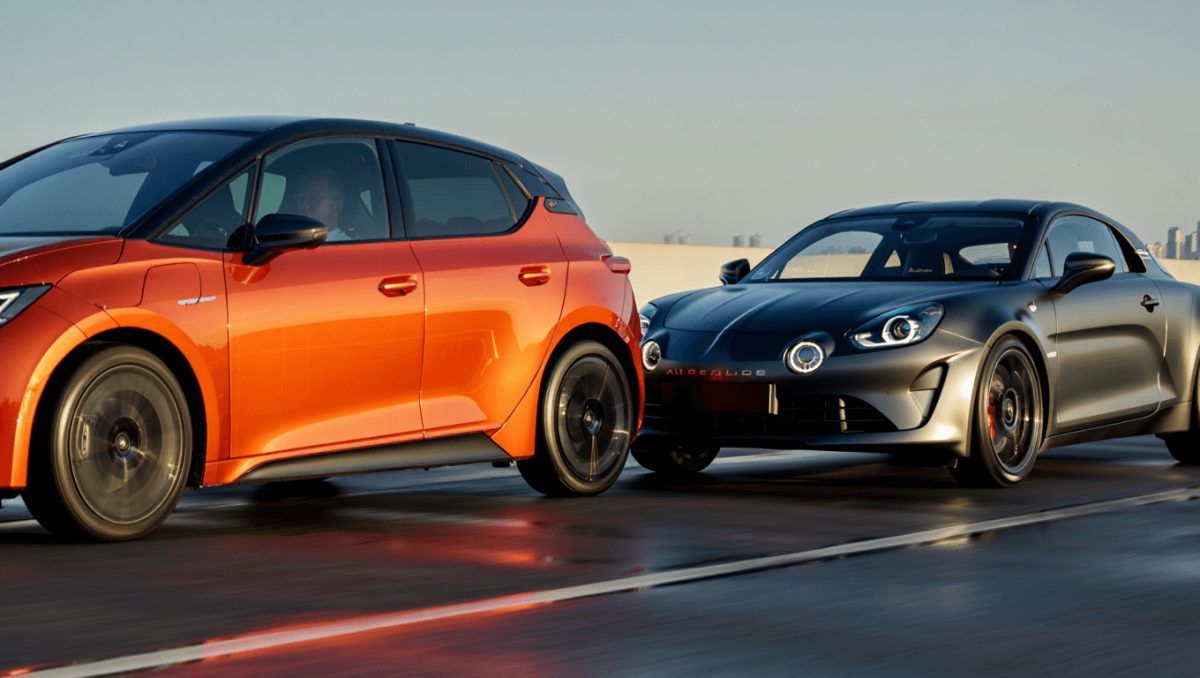
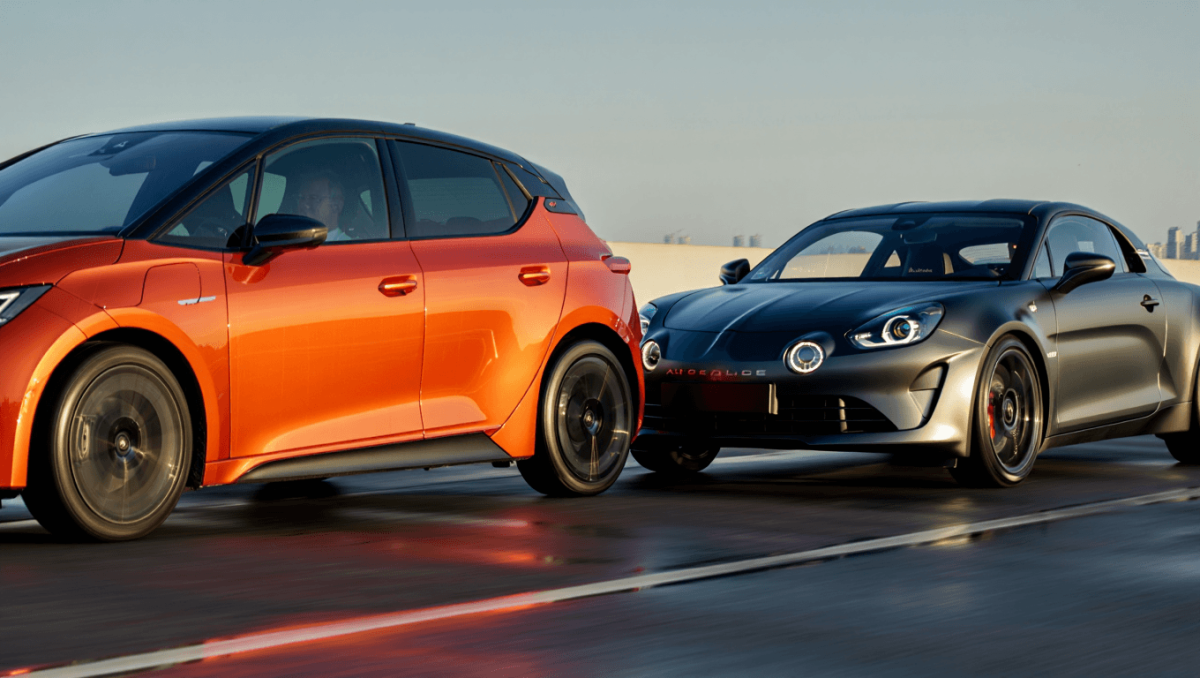
The new Cupra Raval arrives as a compact electric supermini that deliberately borrows the language of classic hot hatches: 222bhp, a sub-seven-second 0-62mph sprint and a front-axle limited-slip unit. That combination matters now because it shows mainstream EVs are chasing the driving character once reserved for petrol performance models — and it puts the Raval squarely in contention with rivals such as the Alpine A290.
The Raval is not a scaled-down Born. Built on the Volkswagen Group’s MEB+ architecture and sharing underpinnings with the ID.Polo, it uses a front-driven layout rather than the Born’s rear-wheel drive. That decision improves packaging — the boot is deeper and cabin space is more accommodating — and recreates the familiar hot-hatch arrangement of engine and driven wheels at the front.
In practical terms, Cupra has tuned the chassis to feel purposeful. The VZ specification we sampled drops the ride height by 15mm, widens the tracks by 10mm and adds bespoke suspension knuckles to increase front negative camber. An electronic limited-slip differential and 235-section tyres (among the widest in the segment, says Cupra) help translate the power to the road.
Max Verstappen says F1 engine overhaul increases odds he’ll stay
PlanetF1 WhatsApp channel goes live: get breaking F1 news and alerts
- Power: 222bhp (VZ)
- 0–62mph: 6.8 seconds (VZ)
- Batteries: 52kWh standard on VZ and Endurance; 37kWh on lower trims
- WLTP range: c.277 miles (Endurance), 273 miles (VZ), c.186 miles (37kWh)
- Test economy: ~3.9 mi/kWh, roughly 200 miles on mixed driving for the VZ in our test
- Price (tested): £34,995 (Raval VZ)
The cabin feels solid and sporty rather than plush. Copper highlights and textured panels give the interior character, but materials prioritise durability over luxury. The infotainment mirrors the Volkswagen Group’s familiar layout: a large, responsive touchscreen with limited physical controls — a design that improves visual cleanliness but can mean fiddly menu dives while on the move.
The driving position is more generous than many superminis. Seat and steering adjustments allow a comfortable posture, and the Raval lives up to expectations for refinement: road and wind noise are kept in check and the electric powertrain emits only a low-level whine. On smaller imperfections the suspension soaks up bumps without feeling floaty, helped by adaptive dampers that offer 15 settings and a wide performance band.
Expect the Raval to feel like a warm hatch rather than a full-bore hot hatch. It lacks the instant, razor-sharp bite of something like a Fiesta ST, but it’s more engaging than the average electric small car. Steering is well-weighted, especially in the middle performance setting, and throttle response sharpens noticeably in the Cupra driving mode — sometimes a touch too eagerly.
On a twisty road the Raval rewards commitment. The car carries its 1,540kg mass low down, which helps the chassis resist unsettling body movement. In sporty settings it rotates predictably when you load the front axle and then plants strongly when you hit the power. The electronic diff is an important contributor here: it tames traction loss and tightens turn-in without feeling artificial, and it generally hooks up cleaner than torque-vectoring-by-brake systems.
There are limits. Push hard and the front tyres begin to scrub; understeer arrives, but in a manageable fashion — lift and grip returns. The overall character is nuanced and adjustable rather than brutally focused. That makes the Raval enjoyable and confidence-inspiring, even if it doesn’t deliver the last word in feedback or the visceral drama of a combustion-engined hot hatch.
How it stacks up to the Alpine A290 comes down to priorities. The Alpine is more polished on a focused driving level, offering crisper feedback and stronger brake feel. The Cupra repays with greater practicality — roomier rear seats and a noticeably higher real-world range — and the diff gives it a more committed front-end feel under power.
For buyers weighing up an electric small performance car, the Raval’s value proposition is straightforward: a likeable, well-built supermini that blends usable everyday range with genuine driving character. It does not recreate the full sensory drama of an old-school hot hatch, but it brings a recognisable sporting blueprint into the EV era with sensible packaging and a clear personality.