Show summary Hide summary
Formula 1 appears to be shifting course ahead of the 2027 power-unit rules, with an agreement in principle to tilt the energy balance back towards petrol engines. That proposal — a move to a 60-40 split between the internal combustion engine and electric drive — has immediate implications for teams, manufacturers and the championship’s biggest star, Max Verstappen.
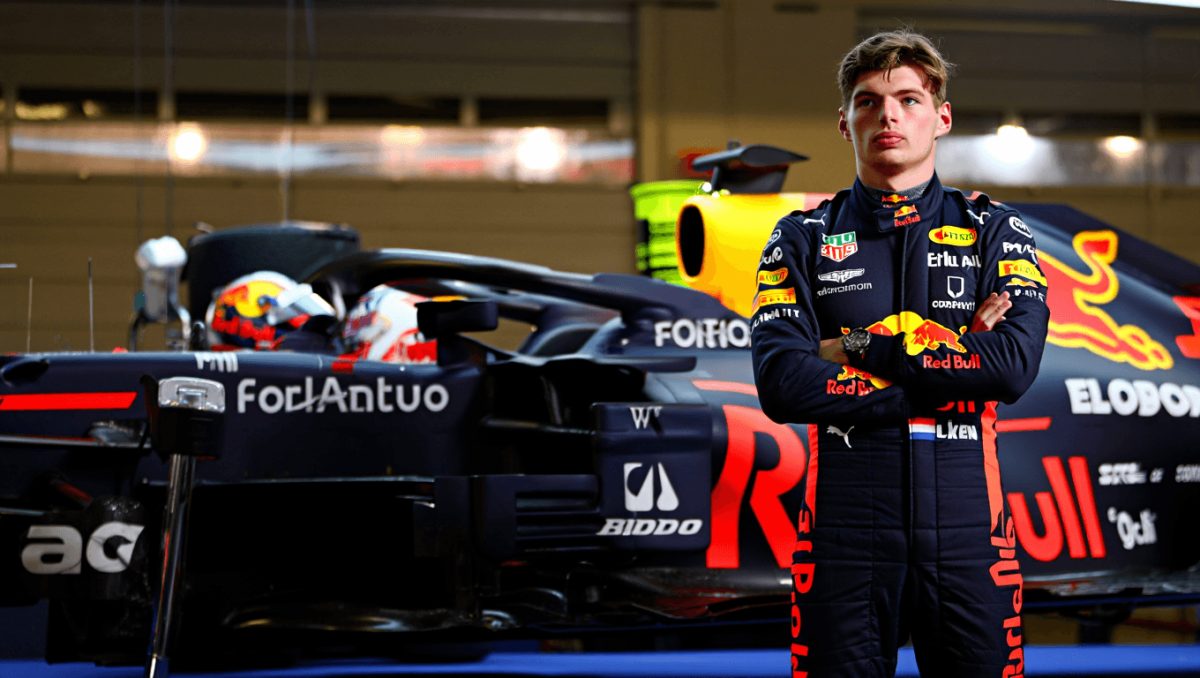
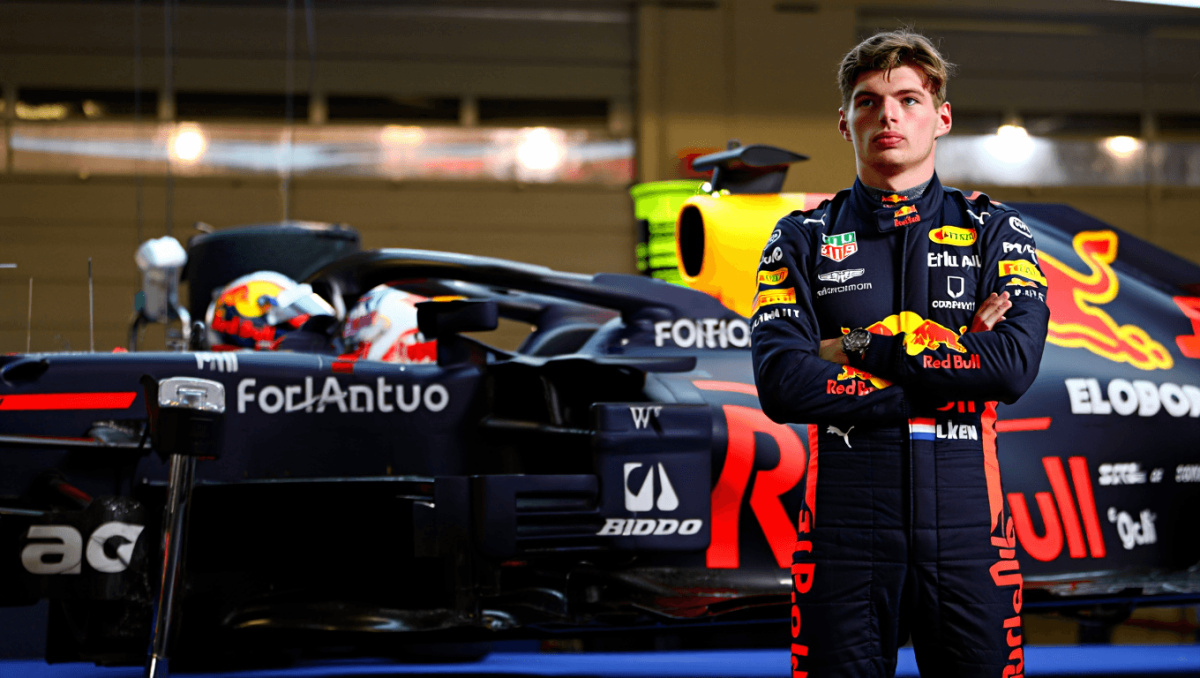
Fresh from racing at the Nürburgring Nordschleife, Verstappen returned to the paddock in Montreal and welcomed the development, saying officials were now moving the sport in a direction he supports. The Dutch driver suggested the change improves the on-track product and makes him more inclined to continue in F1 next year, although he stopped short of a definitive commitment.
What the proposal would change
Max Verstappen says F1 engine overhaul increases odds he’ll stay
PlanetF1 WhatsApp channel goes live: get breaking F1 news and alerts
The FIA’s outline is not a finished rule set but an initial framework. Under the current proposal:
| Aspect | Current status | Proposed for 2027 |
|---|---|---|
| Power split | Greater emphasis on electric assistance | 60–40 favouring the internal combustion engine |
| How to achieve it | Existing fuel-flow and electric-power settings | Adjustments to fuel flow and a cut of about 50 kW in electric power |
| Agreement status | Under discussion | Agreement in principle; technical details still being negotiated |
The plan aims to restore a stronger role for conventional engines while retaining hybrid elements, rather than reversing electrification entirely. Officials say the intention is to improve spectacle and technical relevance without discarding the hybrid direction Formula 1 has followed.
Why drivers and fans should care now
The shift matters because it addresses criticism of the current regulations that some drivers and observers say have dampened engine character and on-track excitement. Verstappen, who had been openly critical of this season’s technical package, framed the change as a pragmatic adjustment that could make races more compelling.
- For fans: Engines with greater combustion contribution could restore more audible and visual drama during races.
- For teams: Revised fuel-flow and electric-power rules will demand rapid engineering work and could reshuffle competitive order.
- For manufacturers: The new balance creates both opportunities and tensions—some makers prefer approaches closer to their existing technology.
- For drivers: A clearer, more engaging product on track may influence career decisions; Verstappen said it increased the likelihood he will race in F1 next season.
Verstappen stressed he wants a strong sporting product above all. Speaking to Motorsport.com, he welcomed that decision-makers are listening to drivers’ concerns and suggested the proposed changes represent the minimum improvement he had hoped to see for 2027.
But he also underlined caution: the blueprint remains provisional and must survive complex technical and political scrutiny before becoming final. “They’ve taken on board what drivers have been saying,” he noted, while adding that confirmation is still required before anything is set in stone.
Political fault lines and technical detail
Behind the scenes, the precise route to a 60-40 split is hotly contested. Some manufacturers favour solutions that align with their current engine concepts, because subtle rule choices can deliver a performance edge.
Those debates are not purely technical. They are influenced by commercial interests and national strategies, so the process could stall if parties push for bespoke advantages rather than a level playing field. Verstappen warned that political manoeuvring must not derail the effort to improve the sport.
For now, the timetable calls for continued talks over the coming months. Engineers will model different fuel-flow profiles and how a 50 kW reduction in electric power would affect lap times, tyre wear and race strategy.
Next steps and what to watch
Expect three things in the near term: formal ratification or revision of the proposal, technical papers from manufacturers and the FIA setting out exact parameters, and reaction from smaller teams about cost and feasibility. Any last-minute amendments could change the competitive picture significantly.
In short: the proposal signals a notable policy shift that seeks to balance hybrid technology with a more prominent role for traditional engines. It is still provisional, but if confirmed it will influence engineering programmes, race spectacle and — potentially — whether top drivers like Verstappen remain on the grid.