Show summary Hide summary
Electric vehicles capable of more than 400 miles on a single charge are no longer niche concept cars — they are arriving across mainstream and luxury line-ups. That shift matters now because longer ranges reshape route planning, reduce reliance on rapid chargers and alter what buyers expect from an EV in daily use.
Why the headline figures are not all equal
Range claims come from different laboratory tests and are influenced by many variables. In Europe you’ll usually see figures quoted under the WLTP standard, North America uses the stricter EPA method and some Chinese manufacturers publish results under the more generous CLTC regime. The same car can therefore list very different numbers depending on where it’s certified.
Electric cars with 400+ mile range: 44 models that cover long trips on a single charge
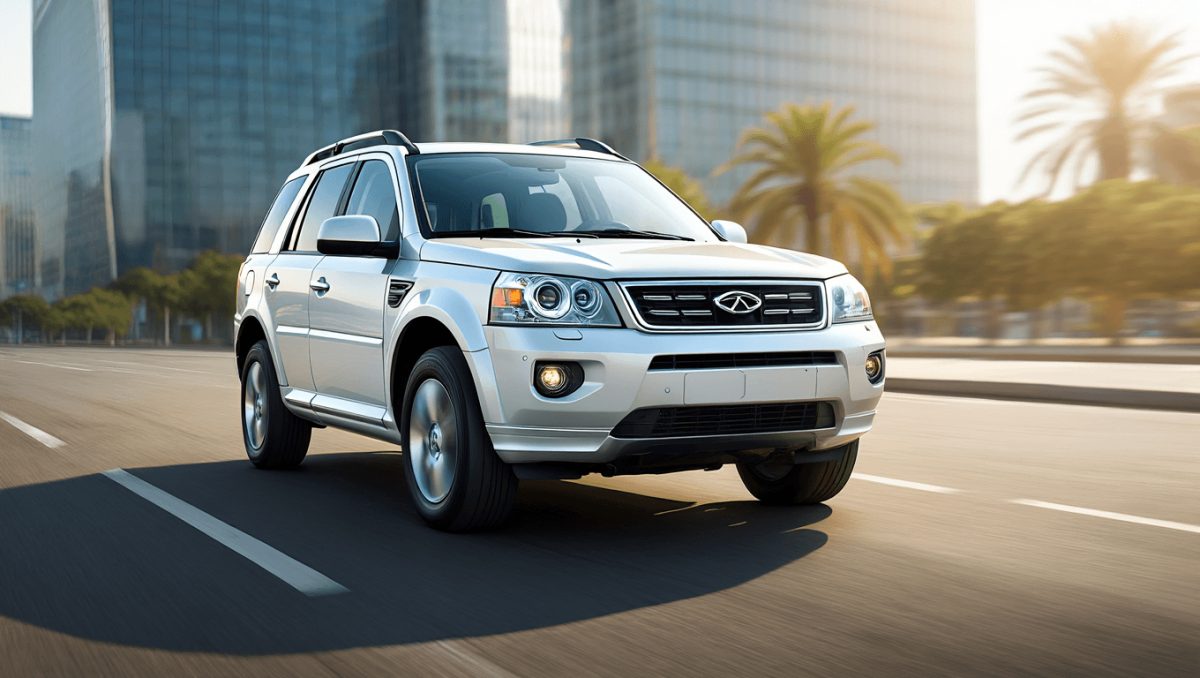
Chery Freelander 8 unveiled as XL rival to Land Rover’s compact SUV: what buyers need to know
Beyond testing cycles, practical range depends on temperature, speed, wheel size, load and how hard the car is driven. Towing, large alloy wheels or frequent high-speed driving can erase a generous headline figure in short order; conversely careful driving in mild weather will extend it.
Notable models and what the figures mean in practice
Below is a concise guide to the EVs currently being advertised with 400-plus mile ranges. Each entry pairs the quoted range with a practical note on equipment, certification or real-world caveats.
- Aptera — 400 miles: Ultra‑slippery bodywork promises exceptional efficiency, but production has been delayed repeatedly and availability remains limited.
- Jeep Compass (electric) — 403 miles: New electric Compass variants aim for long range and offer all‑wheel drive options; real‑world figures will fall with spirited driving or rough terrain.
- Mercedes GLC (electric) — 406 miles: Mercedes’ electric GLC is presented with a WLTP headline that places it above many rivals; as with other large SUVs, actual consumption depends on specification.
- Polestar 2 — 409 miles: To reach this figure you must pick the larger battery and single‑motor layout; larger wheels reduce efficiency noticeably.
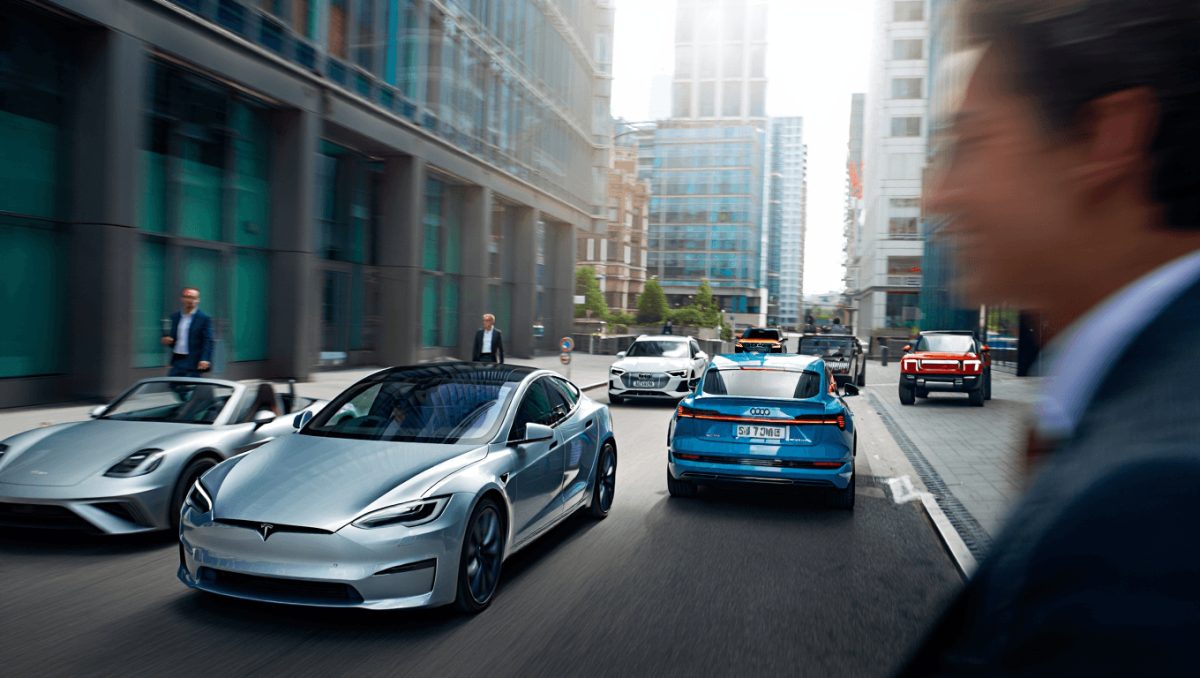
- Tesla Model S — 410 miles: Later variants pushed range high, though Tesla’s European model availability is changing and performance versions trade some range for power.
- Audi Q6 Sportback e‑tron — 410 miles: The Coupé‑style “Sportback” shape improves aerodynamics over the standard Q6 e‑tron and yields a higher WLTP figure.
- Peugeot e‑5008 — 414 miles: With the 97kWh battery and very economical driving, this is among the few seven‑seat EVs claiming 400+ miles; passenger size and weight are factors.
- Polestar 5 — 416 miles: Polestar’s forthcoming executive model promises both long range and very fast charging capability on high‑power stations.
- Rivian R1T — 420 miles: EPA‑rated in North America, this pick‑up’s range is notable given the stricter testing; right‑hand‑drive availability would determine its UK practicality.
- Citroën e‑C5 Aircross — 421 miles: Positioned as a comfort‑focused SUV, Citroën applies soft‑ride tech to an electric drivetrain that achieves a high WLTP headline.
- Porsche Taycan — 422 miles: Performance variants can severely reduce range if driven hard; the Taycan demonstrates how power and range trade off.
- Vauxhall Grandland — 425 miles: The larger 97kWh battery is quoted with an impressive range, though increased weight and packaging differences affect efficiency versus smaller packs.
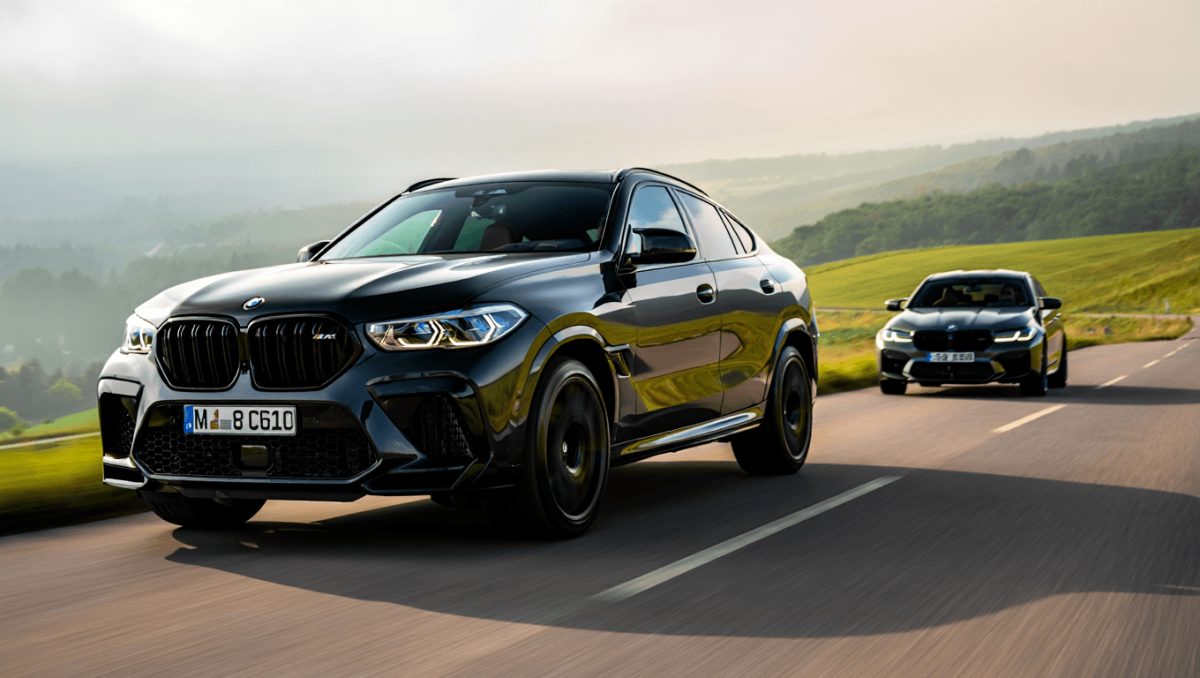
- BMW iX — 426 miles: A recent facelift and larger battery options improved the iX’s efficiency to push it past the 400‑mile threshold.
- Lexus ES (electric) — 426 miles: New rear‑wheel‑drive versions target class‑leading range as Lexus extends its electric line‑up.
- Mercedes EQE — 429 miles: Engineering improvements have boosted range even if opinions on styling and interior ergonomics differ.
- Volvo ES90 — 432 miles: Volvo’s new saloon pairs a streamlined shape with EV underpinnings to deliver a significant range increase over earlier models.
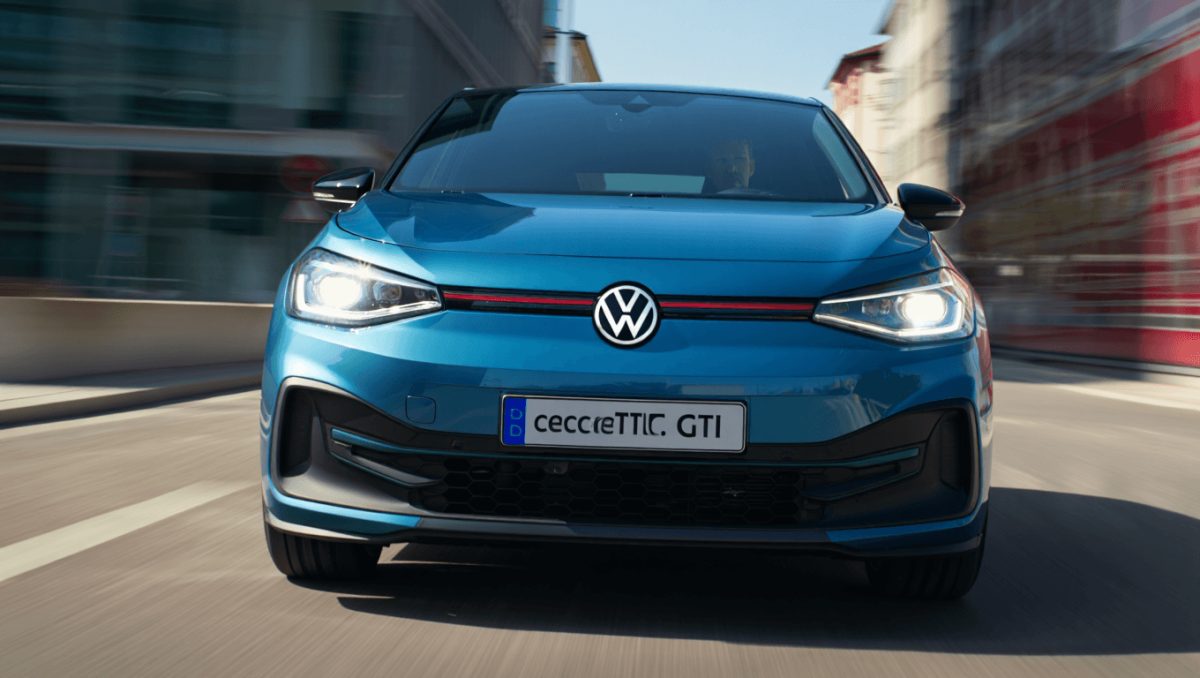
- Volkswagen ID.7 — 433 miles: The ID.7 is a study in aerodynamic optimisation; modest battery capacity plus low drag yields a competitive WLTP figure.
- Peugeot e‑3008 — 435 miles: Stellantis brands sometimes quote optimistic figures; the e‑3008 is nonetheless an efficient family‑sized EV with quirky design touches.
- Lexus Sport Concept — 435 miles: Concept figures are illustrative; the concept hints at future performance and range ambitions rather than immediate production specs.
- Polestar 3 — 438 miles: Polestar’s SUV set a long‑distance record during a real‑world test, but later line‑up changes mean only earlier single‑motor versions match the headline number.
- Li Mega — 441 miles: Quoted under China’s CLTC test, which emphasises urban cycles and typically reports higher numbers than WLTP or EPA.
- MG IM5 — 442 miles: MG’s upmarket saloon promises strong range for the price, though higher‑powered variants challenge chassis and handling balance.
- Yangwang U7 — 447 miles: A luxury saloon packing a very large battery; availability and local certification determine how the number translates to other markets.
- Lucid Gravity — 450 miles: Lucid’s SUV follows the Air’s emphasis on efficiency and battery technology; the brand remains notable for class‑leading range claims.
- BMW i7 — 452 miles: The flagship electric saloon offers extensive rear‑seat comfort features and a very long range for chauffeur‑oriented use.
- Cadillac Escalade IQ — 460 miles: A very large battery delivers high range but efficiency is low relative to smaller, lighter EVs.
- DS No8 — 466 miles: DS positions the No8 as a French luxury flagship with ambitious WLTP figures that benefit from a lower ride height and efficient aero.
- Tesla Model 3 (updated) — 466 miles: Tesla continues to eke more miles from relatively small battery packs through powertrain and thermal management advances.
- Audi A6 e‑tron — 470 miles: An executive model where aero and packaging have been finely tuned to stretch range without radical styling compromises.
- Mercedes C‑Class (electric) — 473 miles: The facelifted compact executive targets true everyday usability with range figures that can be very generous in urban driving.
- Audi E5 (China) — 478 miles: China‑market variants often debut design and tech that later influence global models; local testing produces high WLTP‑style numbers.
- Chevrolet Silverado (EV) — 478 miles: GM’s large truck approach is to fit very large packs; range comes at the cost of vehicle mass but suits towing duties.
- GMC Sierra (EV) — 478 miles: Similar Ultium‑based architecture as the Silverado provides large range figures for heavy‑duty US trucks.
- Jaguar 00 Concept — 478 miles: Jaguar’s concept details promise fast charging and long range, though production versions may differ.
- Mercedes CLA (electric) — 484 miles: An efficient compact design that manages notable range while remaining comparatively affordable within the Mercedes line‑up.
- BMW iX3 — 500 miles: A new platform and cell chemistry contribute to the iX3’s headline figure, which BMW describes as a major technical milestone.
- Volvo EX60 — 503 miles: Volvo’s high‑volume family SUV is offered with powertrains that prioritise range while retaining brand‑typical refinement.
- Lucid Air — 512 miles (EPA): EPA testing confirms class‑leading real‑world range for Lucid’s flagship saloon in certain configurations.
- Zeekr 007 — 540 miles: Geely‑backed Zeekr claims very long range figures and plans wider European availability, starting with mainstream models.
- Xiaomi SU7 — 560 miles: Rapid product development in China means early models receive frequent updates; high CLTC figures indicate strong urban range.
- BMW i3 (new model) — 562 miles: A differently named successor sharing the iX3’s advanced platform and large battery to achieve very long-range claims.
- Mercedes EQS (facelift) — 575 miles: Mercedes increased the EQS’s range markedly with aerodynamic tweaks and battery upgrades in its recent update.
- Nio ET7 — 621 miles: Nio’s large saloon demonstrates advanced suspension tech and very high range figures, currently focused on markets outside the UK.
- Mercedes EQXX (research car) — 747 miles: A low‑drag demonstrator rather than a production model, the EQXX showcases technologies aimed at pushing the theoretical limits of efficiency.
What buyers should take away
Longer WLTP or EPA figures reduce range anxiety but do not eliminate the need to plan. If you regularly tow, carry heavy loads or live where temperatures drop below freezing, expect lower real‑world distance between charges.
Important considerations when choosing an EV:
- Test standard: check whether the quoted number is WLTP, EPA or CLTC and compare like for like.
- Usage profile: high motorway speeds and towing reduce range more than urban driving.
- Specification choices: large wheels, roof rails and higher trim levels can lower efficiency.
- Charging infrastructure: maximum charging power and whether you have regular access to high‑power chargers will influence day‑to‑day convenience.
In short, headline range figures are useful for comparison but always ask how they were measured and what the car will do in your real life. The industry is clearly moving toward genuinely long‑distance electric travel — the next questions are affordability, availability and how national charging networks keep pace.