Show summary Hide summary
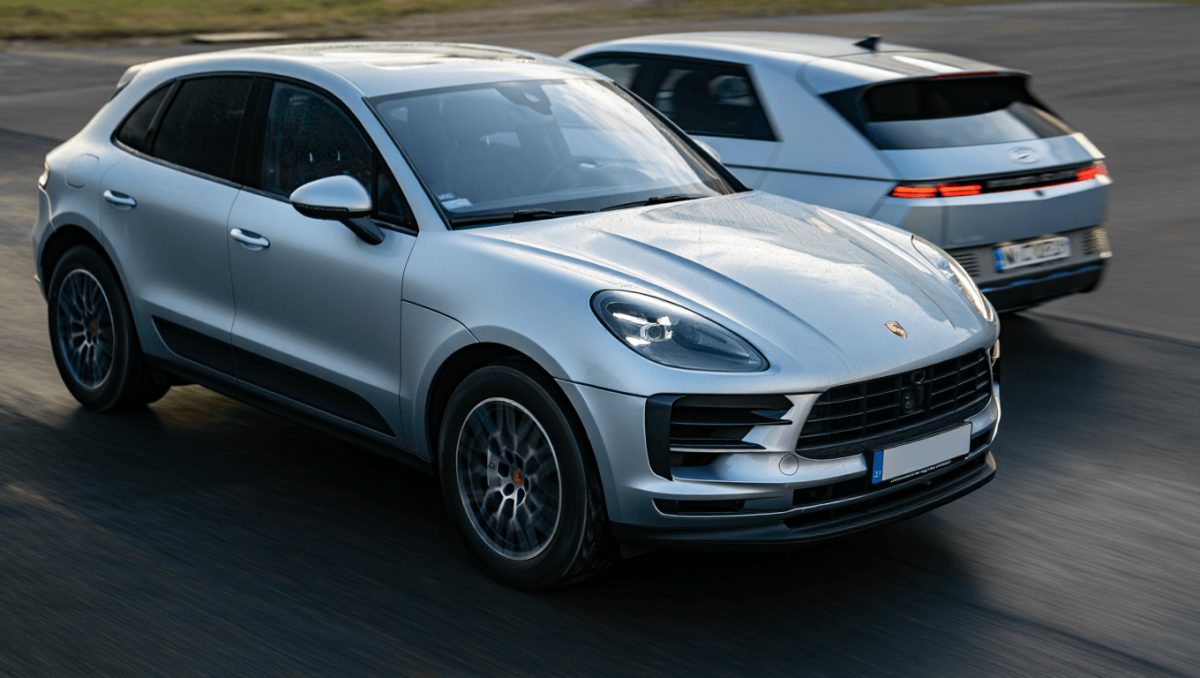
The new Porsche Macan has been reinvented as a fully electric model and arrives riding on the brand‑new shared architecture developed with Audi — a shift with immediate consequences for buyers, owners and the premium SUV market. With petrol Macans still on sale until mid‑2026 and an internal‑combustion successor pencilled in for 2028, this electric Macan sits at the centre of Porsche’s transition and raises practical questions about range, performance and cost.
What’s new under the skin
Porsche’s second‑generation Macan is the first to use the joint PPE architecture, a platform engineered for long range, fast charging and sporty dynamics. All versions house a 95kWh usable battery in the floor and operate on an 800‑volt electrical system, allowing peak charging of up to 270kW and a 10–80% top‑up in roughly 21 minutes under ideal conditions.
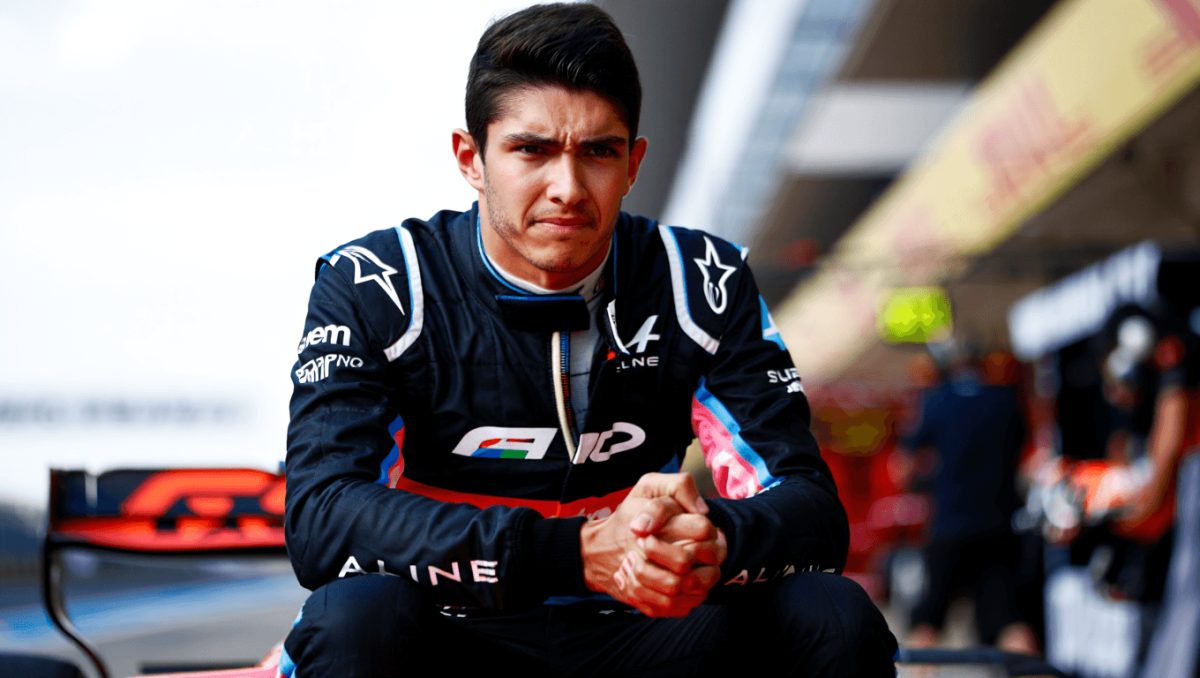
Esteban Ocon rubbishes Haas exit rumours: fiercely rejects claim he’s leaving
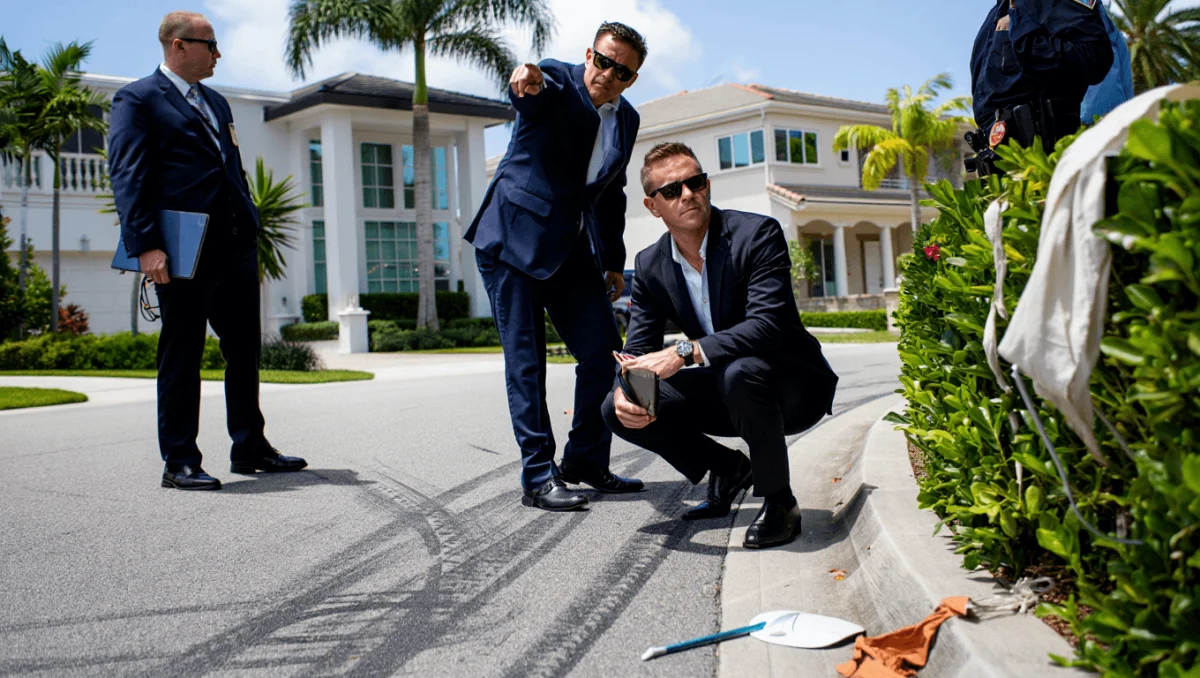
FBI investigating Bottas’ stolen Cadillac after Miami GP
The bodywork is cleaner and more coupe‑like than before, prioritising aerodynamics — Porsche quotes a drag coefficient of 0.25 — and the wheelbase is longer than the petrol car’s, giving more interior space and shorter overhangs. Yet weight remains a drawback: the lightest single‑motor Macan tips the scales at about 2,220kg, while the two‑motor Turbo approaches 2,405kg.
- Battery: 95kWh (usable)
- Electrical architecture: 800V system, peak 270kW charging
- Claimed range: up to 398 miles (rear‑drive base model)
- Power spread: roughly 400bhp for base/4 variants up to 630bhp for the Turbo
Performance and driving character
Porsche has tuned the Macan to feel like a sports SUV rather than a relaxed electric cruiser. The line‑up ranges from a single‑motor rear‑drive entry model to a two‑motor Turbo that produces around 630bhp and will dispatch 0–62mph in about 3.3 seconds.
Key elements include Porsche’s electric traction management and fast‑acting torque control — systems designed to respond in milliseconds and help deliver a rear‑biased, agile feel. Unlike the Taycan, the Macan uses a single‑speed gearbox and recovers a very high proportion of braking energy in everyday driving — Porsche cites regen rates as high as 98% in normal use.
Drive modes and chassis options are important to the Macan experience. Fitted with the full suite — adaptive dampers, air springs and rear locking differential on the Turbo — the car can be astonishingly lively for its weight. That said, low‑speed ride comfort can be firm, particularly with the dampers in Sport settings.
How it handles in real life
At pace, the Macan outperforms what its mass might suggest. The Turbo in particular turns into corners with surprising agility, settling quickly on its springs and allowing fast direction changes. Engineers have positioned the rear motor behind the axle on the top models to help the balance, though the result is not a 911‑like handling trait — more a concentrated effort to make a heavy EV feel engaging.
Drivers who press on will find the car rewards a composed approach: slow in, fast out. Push too hard mid‑corner and the front can begin to push; conversely, the locking diff lets the Turbo be unusually early on the power without losing composure. For everyday commuting and motorway cruising the Macan is composed and quiet, with class‑leading NVH isolation at higher speeds.
Interior, technology and usability
The cabin blends familiar Porsche cues with new software. The dashboard follows the aesthetic of the Cayenne and Taycan family, with a curved digital instrument cluster and a central touchscreen running an Android Automotive‑based UI. Physical controls remain for climate functions, which many users will welcome.
Optional extras extend the tech list: an augmented‑reality head‑up display projects navigation markers ahead of the bonnet, and a passenger infotainment screen is available for rear‑seat media. Build quality is high, though some may find the styling conservative compared with rivals that emphasise flashier cabin design.
Claimed range versus the everyday reality
Porsche’s efficiency work — such as the use of silicon carbide in the inverter and a drivetrain management strategy that relies on the rear motor in normal cruising — produces strong manufacturers’ figures: up to 398 miles for the base rear‑drive Macan, with the 4 and Turbo rated slightly lower (around 380 and 367 miles respectively).
In practical terms, expect less. In temperate conditions typical real‑world range hovered nearer 300 miles during early testing, and slow home charging on a 7kW wallbox produced a full battery that suggested a sub‑300‑mile capability overnight. As with all EVs, temperature, load, speed and driving style have a large influence on usable range.
Running costs and ownership notes
Regenerative braking will reduce wear on pads and discs, but tyres — especially on optional 22‑inch fitments (wide at the rear) — will be an expensive consumable given the car’s performance and mass. All Macans use the same battery pack, so charging costs are comparable across the range despite power differences.
How the Macan stacks up against rivals
| Alpine A390 GTS | Porsche Macan 4 | Hyundai Ioniq 5 N | |
|---|---|---|---|
| Motors | Twin rear, single front | Single rear, single front | Single front, single rear |
| Power | 464bhp | c.402bhp (launch control) | 641bhp (with overboost) |
| Torque | 608lb ft | c.479lb ft (launch control) | 546lb ft |
| Weight | 2,121kg | 2,330kg | 2,235kg |
| 0–62mph | 3.9s | 5.2s | 3.4s |
| Top speed | 137mph | 137mph | 161mph |
| Starting price (UK) | £69,390 | c. £68,600 | £65,800 |
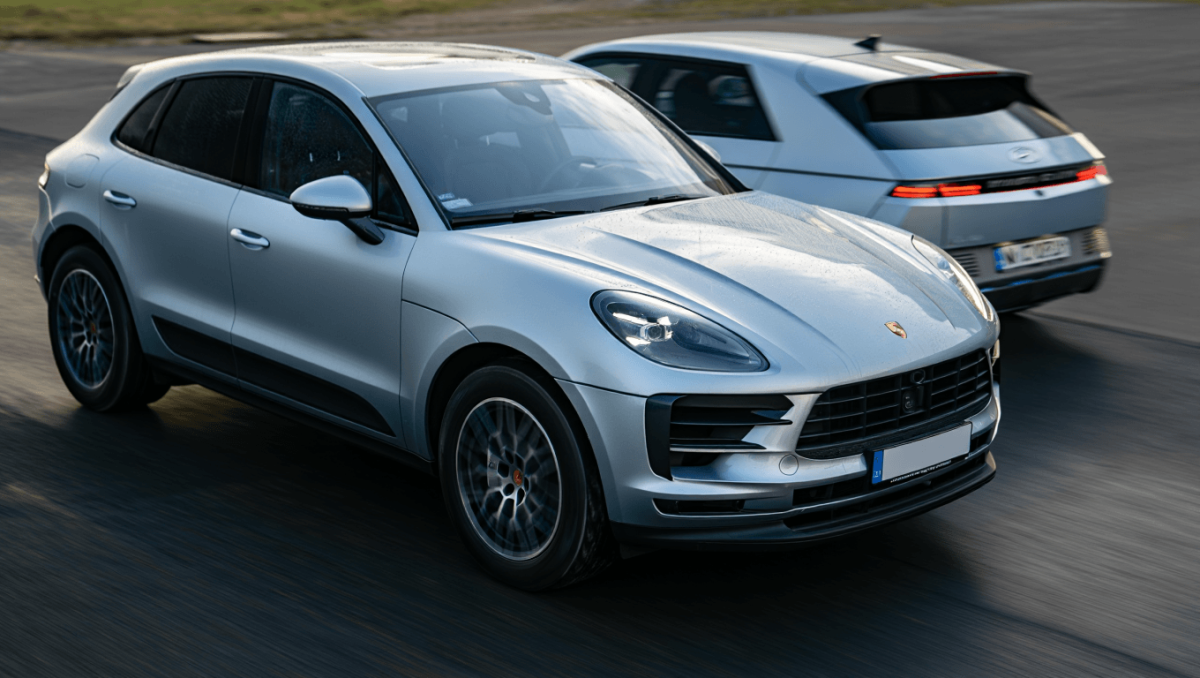
The Macan’s closest competitors range from the driver‑focused Alpine A390 to high‑performance hatch‑based rivals such as the Ioniq 5 N. Audi’s PPE‑based Q6 e‑tron shares the same platform but has been tuned for a more relaxed character; buyers seeking outright sporting responses will favour the Porsche’s sharper chassis map and optional performance kit.
Price and who should consider it
Porsche positions the electric Macan at the premium end of the compact SUV market. Starting prices sit in the high‑£60k region for the entry model, while performance variants such as the GTS and Turbo rise into the upper‑£80k and £90k bands respectively. For buyers who prize driving dynamics, seat‑of‑the‑pants feedback and Porsche heritage, the Macan represents a compelling, if expensive, EV option. For those who prioritise maximum efficiency, the touring comfort of rivals or the lowest ownership costs, alternatives from BMW, Audi and Tesla remain attractive.
Whatever the choice, the Macan Electric marks a clear waypoint in Porsche’s electric strategy: it demonstrates that the brand intends to carry its performance credentials into the EV era, even as the industry navigates a complex transition from petrol to electric power.