Show summary Hide summary
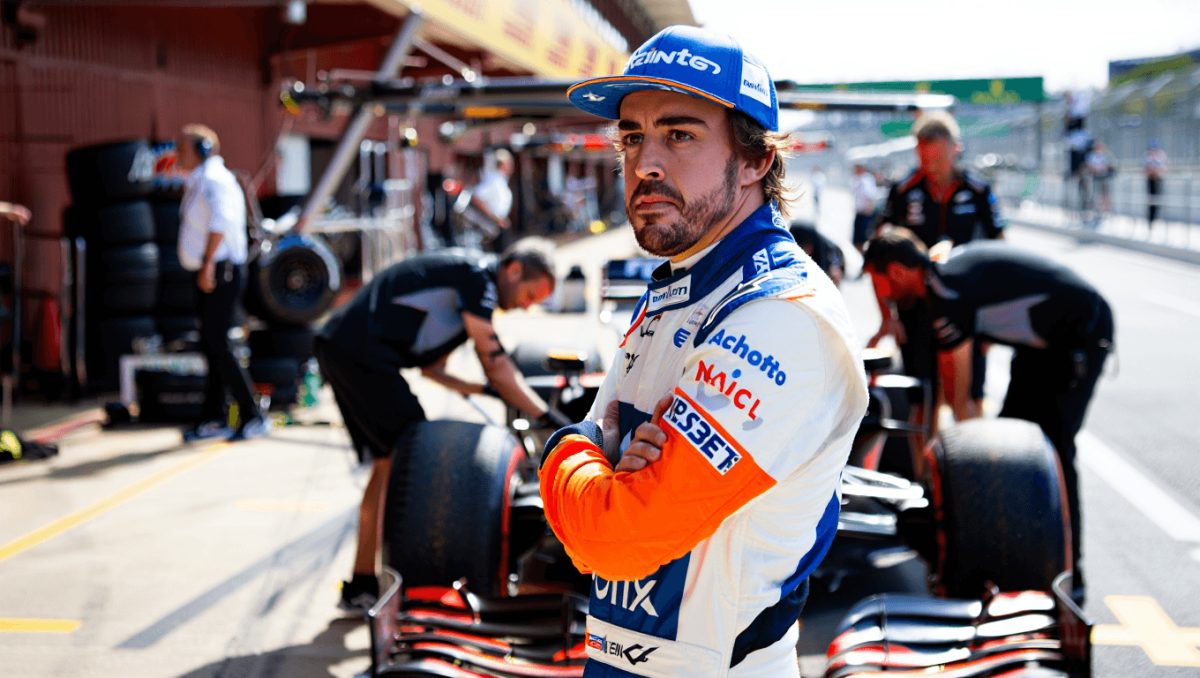
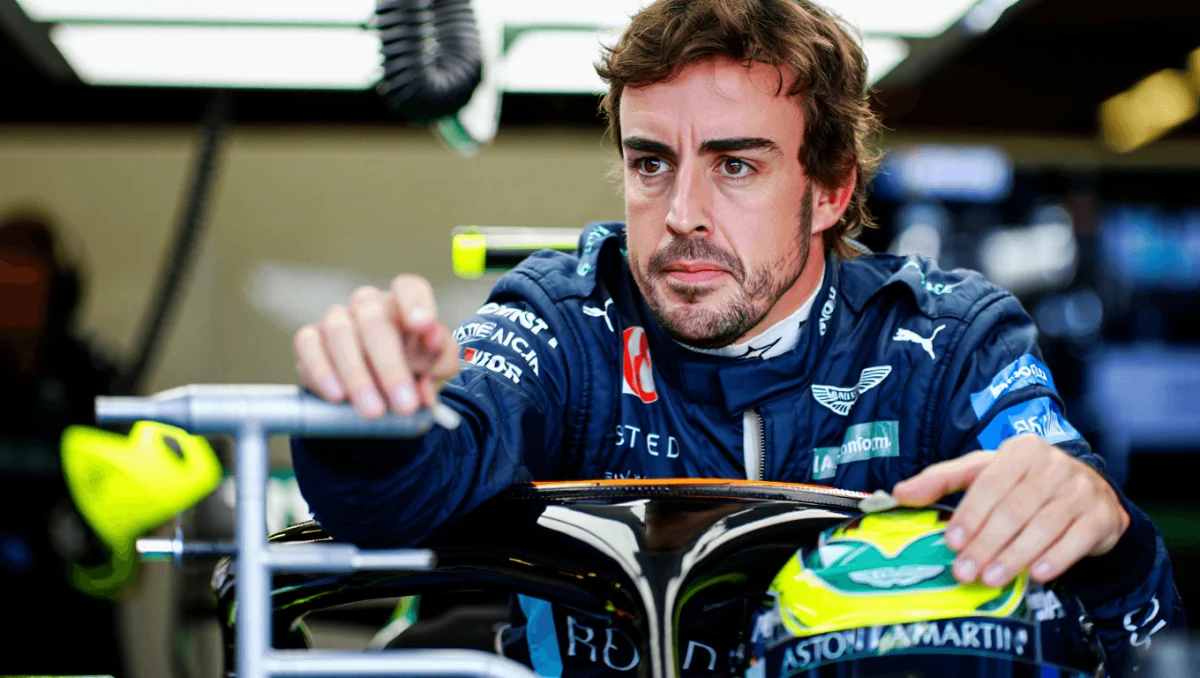
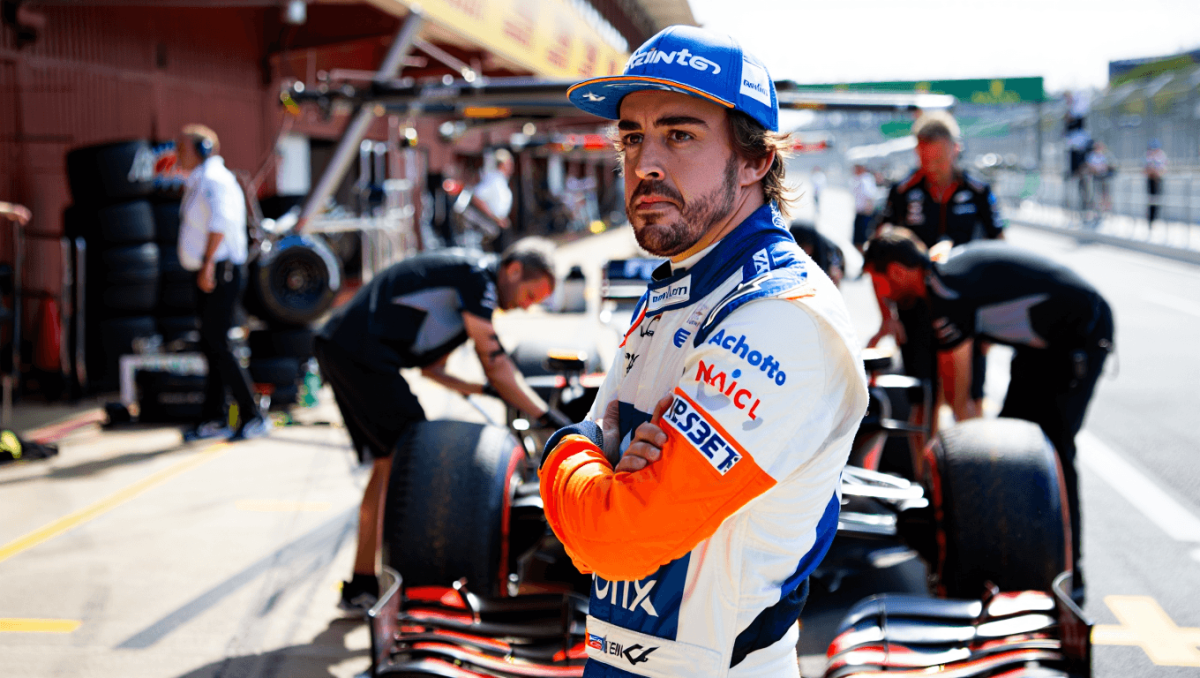
Formula 1’s governing body and the FIA have provisionally agreed to rebalance power-unit architecture for 2027 — shifting to a proposed 60-40 split in favour of the internal combustion engine. The move follows recent tweaks introduced before the Miami Grand Prix, but Fernando Alonso warns the change is unlikely to solve what many view as the sport’s deeper problems.
The proposal under discussion would increase the prominence of the combustion engine by altering fuel-flow parameters while trimming the electric motor’s contribution by about 50 kilowatts. Technical specifics are still being worked through, but the intent is to return more emphasis to conventional engine power and reduce the pace of electric deployment on the straights.
Alonso, speaking to Motorsport.com, described the adjustment as incremental rather than transformative. “Waiting,” he said when asked if the plan addresses fundamental issues. “The DNA of these power units is the same. They will always favour carrying less speed through corners. I don’t see it changing the fundamentals.”
Saab’s final cars from Trollhättan factory to go under the hammer
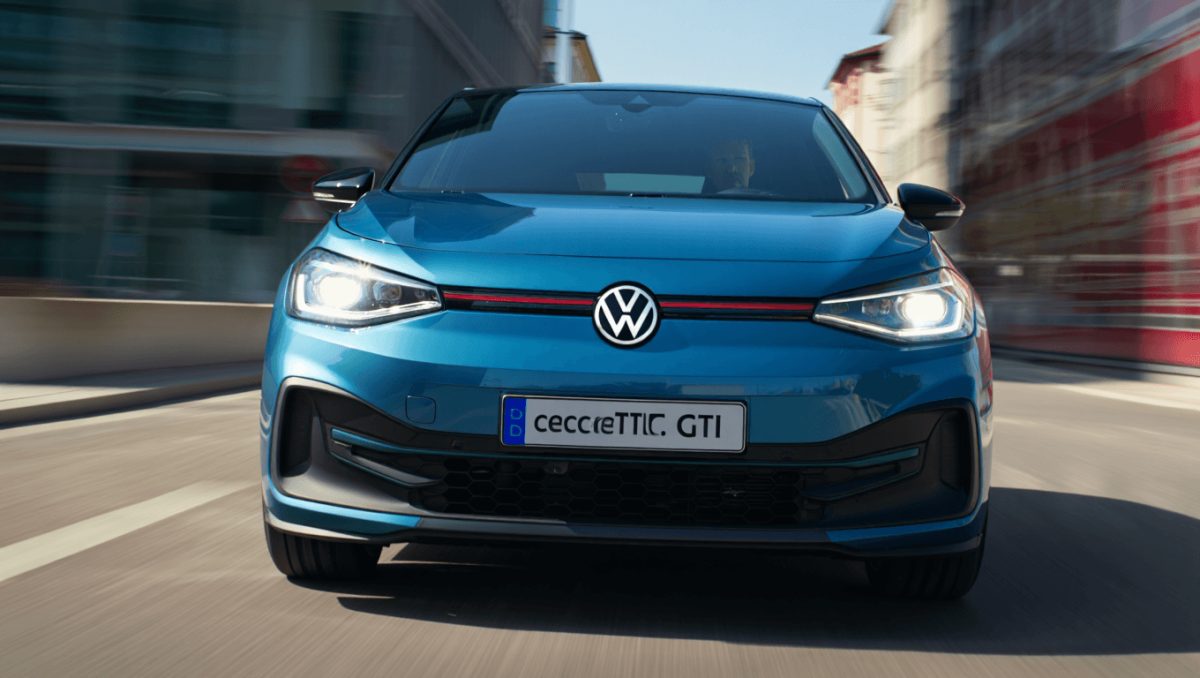
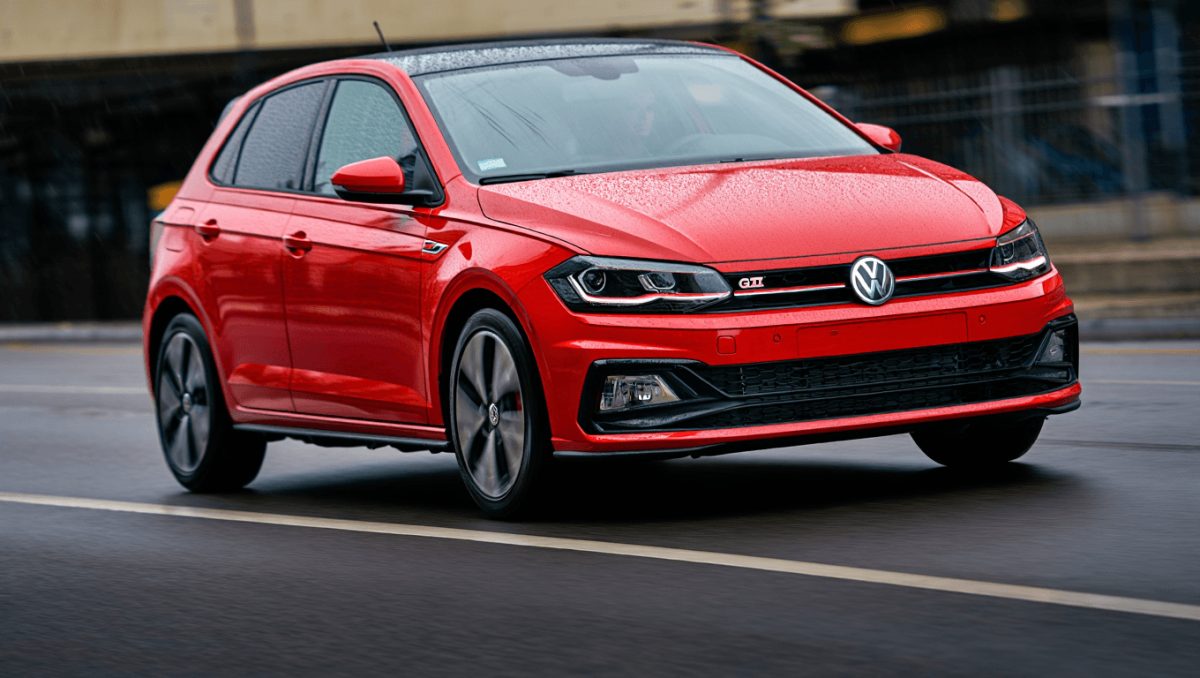
Volkswagen ID. Polo GTI revealed: first electric GTI goes on sale
Why this matters now
Fans and teams have argued that recent regulations, while increasing the number of passes, have also altered how overtaking is achieved — often driven by battery deployment rather than classic racecraft. That has prompted the FIA to consider staged revisions before a full regulatory reset in the next cycle, with 2027 the first significant milestone.
Alonso welcomed that the governing bodies are responsive to criticism, but stressed that listening is not the same as restoring the kind of racing many want. He pointed to the period since the 2014 turbo-hybrid introduction as a lost era for “pure” racing, arguing the sport moved towards electrification in ways that do not necessarily suit wheel-to-wheel competition.
His critique centres on how overtakes are now regularly executed. Rather than a late-braking manoeuvre or a tactical slipstream, Alonso says many passes resemble a simple power advantage on the straight: cars with more battery charge reduce their drag or unlock additional horsepower, forcing a defensive reaction from rivals — what he called “just an avoiding action.”
Immediate implications for teams and spectators
Whether the 60-40 adjustment will change race outcomes next season depends on the final technical package and how teams interpret the new rules.
- Racecraft vs. energy management: If electric output is reduced, teams may place less emphasis on strategic battery deployment, potentially shifting the balance back towards mechanical grip and chassis development.
- Development focus: Power-unit manufacturers could reallocate resources to combustion performance and fuel-flow optimisation rather than further electric motor gains.
- Spectacle: Fans might see fewer “battery-led” overtakes on the straights, but the extent to which racing looks and feels different remains uncertain.
- Transition timeline: As the changes are staged, any perceptible effect is likely to be gradual rather than immediate.
| Aspect | Current regulations | Proposed 2027 adjustment |
|---|---|---|
| Power split | Higher electric contribution (post-2014 hybrid architecture) | 60% ICE / 40% electric — greater combustion emphasis |
| Electric power | Maximum output higher than proposed | Reduction of ~50 kW in electric motor contribution |
| Expected effect on overtaking | More straight-line passes enabled by battery deployment | Potential decline in straightforward battery passes; uncertain impact on cornering battles |
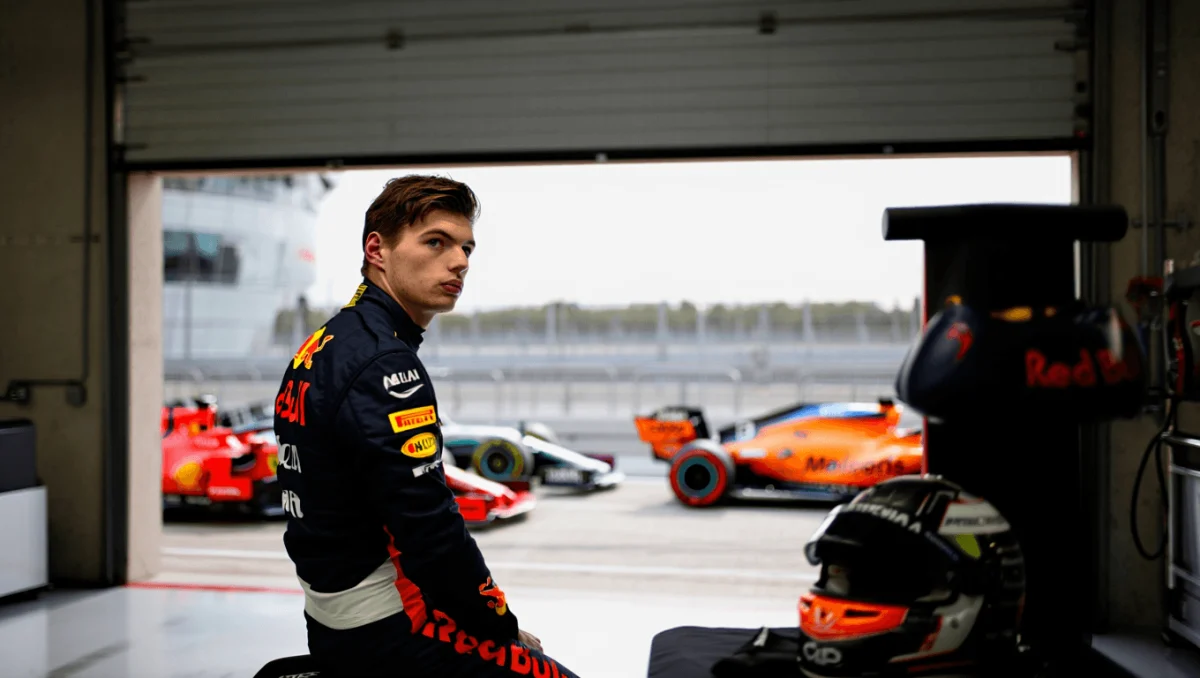
Alonso also reflected on a broader trend: top drivers increasingly exploring other categories. Max Verstappen’s recent appearance at the Nurburgring 24 Hours is cited as an example. Alonso said such crossovers are not a condemnation of Formula 1, but rather a way to broaden drivers’ and fans’ horizons. He recalled how his brief foray into IndyCar drew huge global attention, suggesting marquee names can introduce new audiences to different forms of motorsport.
“Formula 1 is the pinnacle,” Alonso added, “but other series can be equally compelling. When top F1 drivers race elsewhere, it opens fans’ eyes.”
For now, the takeaway is pragmatic: the FIA is prepared to tinker, and a two-stage approach shows responsiveness. Yet figures like Alonso believe a true reset — a full regulatory cycle with deeper technical revision — will be necessary to deliver the kind of racing that satisfies purists and casual viewers alike.
How teams will respond technically and strategically remains to be seen, and supporters should watch the coming months closely as the FIA finalises the details ahead of the 2027 implementation window.