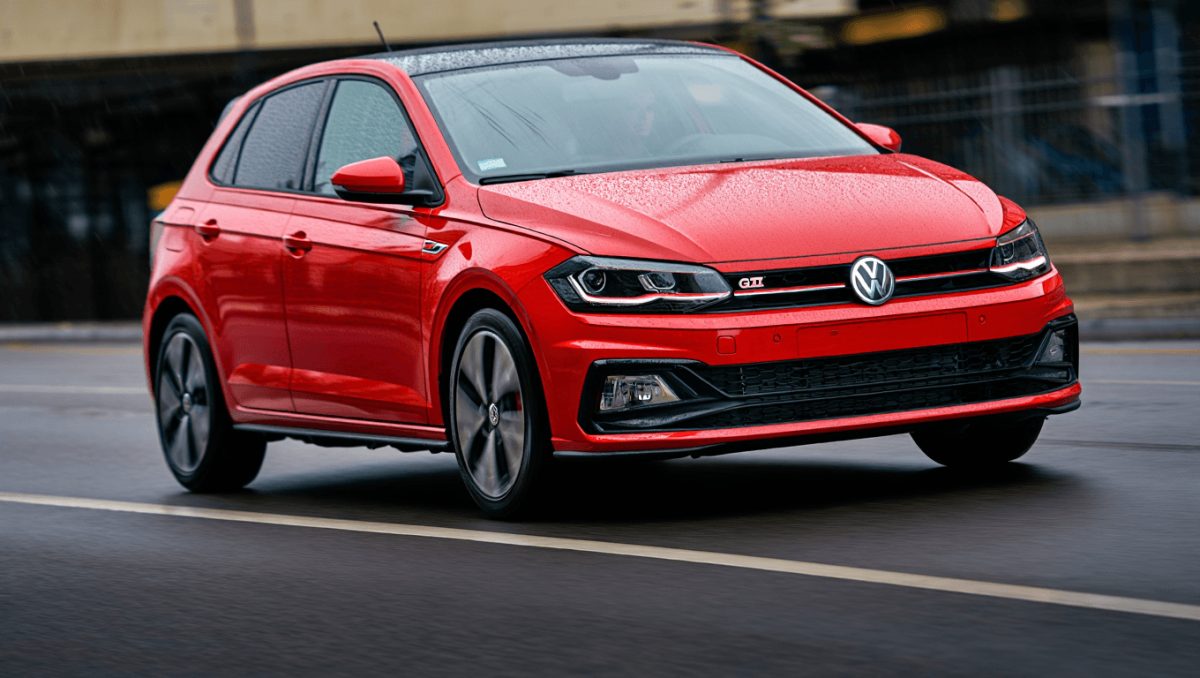
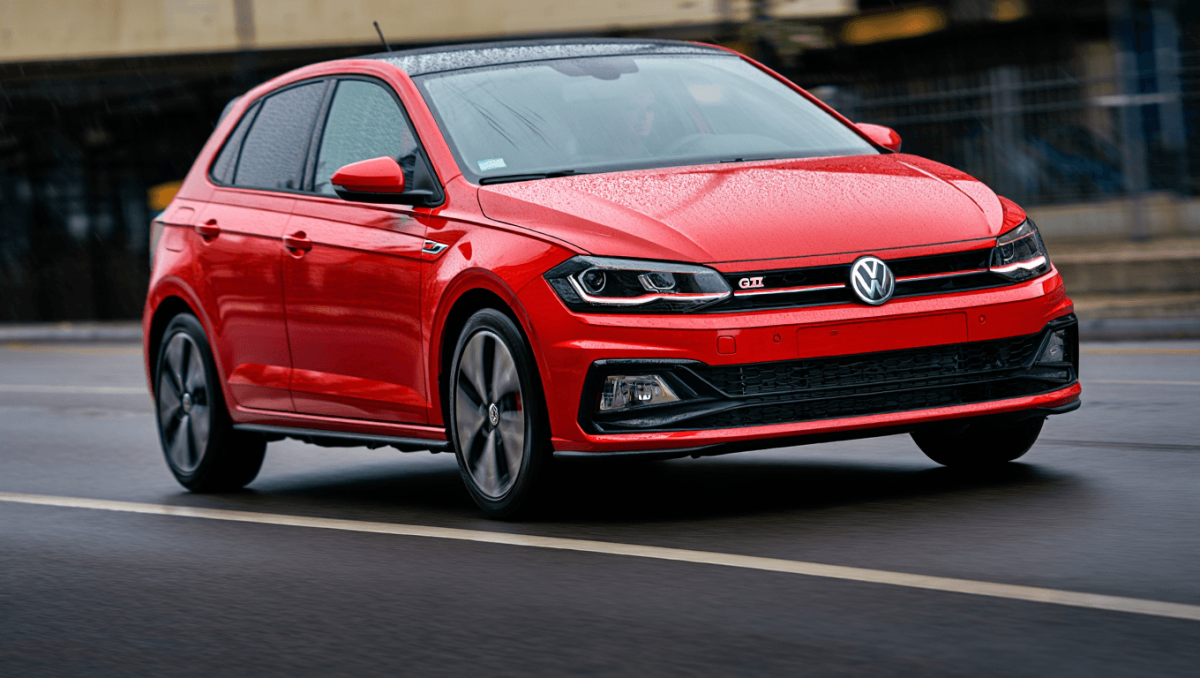
Volkswagen’s decision this May 2026 to attach the iconic GTI badge to an electric Polo marks a clear turning point for performance small cars — and raises a question for buyers and enthusiasts alike: can an EV wearing those letters live up to the name? The new ID. Polo GTI arrives as manufacturers reshape the hot-hatch landscape, with practical consequences for running costs, performance expectations and what “sporty” means in an electric era.
The significance of the badge is obvious. For decades, GTI has signalled a particular mix of agile handling, driver engagement and compact practicality. Until now, Volkswagen reserved those initials for internal-combustion models; quicker ID-branded cars have carried suffixes such as GTX or GTE. Applying GTI to an EV is therefore a deliberate move — one that puts pressure on the car to deliver a convincing driving experience, not just a sporty look.
Under the sheetmetal the ID. Polo GTI is straightforward rather than exuberant. It uses a single front-mounted motor and remains front-wheel drive because Volkswagen’s engineers judged that configuration best preserves the classic hot-hatch character while saving mass and cost. The motor produces a peak of 223bhp and 214Nm of instant torque, paired with a 52kWh battery.
Polo GTI 223bhp sparks debate over VW’s iconic badge
Peugeot 408 facelift lands in UK: prices and equipment confirmed
| Model | Power | 0–62mph | Top speed | Official range | Estimated kerb weight |
|---|---|---|---|---|---|
| ID. Polo GTI (electric) | 223bhp | 6.8s | 108mph | c.260 miles | from 1,540kg |
| Polo GTI (outgoing petrol) | ~203bhp (2.0-litre turbo) | 6.5s | 150mph | N/A | ~1,300kg |
| Alpine A290 GTS | Less than 223bhp | Faster than ID. Polo GTI | Higher top speed | ~230 miles | Lower than ID. Polo GTI |
Those figures reveal the trade-offs. Despite a higher headline power output, the electric Polo is heavier than the petrol model it replaces, which blunts outright acceleration and top speed. In real terms the ID. Polo GTI is a touch slower off the line than the previous petrol GTI and sits behind some rivals such as the Renault/Alpine A290 GTS on pure performance metrics.
Volkswagen appears to accept this and has focused instead on balance. The car offers five drive settings — Eco, Comfort, Sport, GTI and Individual — plus adaptive dampers as standard, and VW says the chassis has been recalibrated specifically for this model. The aim, according to company material, is to bring the electric Polo’s behaviour closer to the current Golf GTI than to the last petrol Polo GTI.
There are a few details that underline VW’s cautious approach to EV performance theatre. The ID. Polo GTI does not have an overboost mode or an aggressive “overtake” function; the paddles behind the steering wheel control regenerative braking rather than a faux gearbox. That said, sources at Volkswagen hint a simulated gearbox or more engine-like engine-braking mapping could arrive as an over-the-air update, which would change the car’s feel without hardware changes.
Interior touches are unapologetically GTI-flavoured: abundant red stitching, supportive seats with suede trim, and a prominent GTI-marked steering-wheel control that switches the car into its sportiest setup. On the outside, 19‑inch wheels are standard and the styling borrows rally-inspired elements that reference classic Polo racers — a visual reminder that this is intended to be the most sporting Polo in the line-up.
Range-wise the ID. Polo GTI sits favourably in its niche. Volkswagen cites an optimistic figure of about 260 miles on a full charge, ahead of some direct rivals. Of course, heavy use of the throttle will reduce that figure considerably, and final real-world endurance will be an important part of the car’s appeal for buyers who want both performance and usable range.
Price and positioning matter. Volkswagen is expected to start the ID. Polo GTI at roughly £30,000, a significant premium over the standard ID. Polo, which should begin around £22,000. That premium buys bespoke suspension, distinctive trim, and a clear promise of sportier dynamics — but not the outright acceleration or top speed of the petrol GTI it replaces.
What this means for buyers and the market
Put simply: the ID. Polo GTI is a statement that heritage badges will survive the shift to electrification, but their meanings will evolve. Practical implications include:
- Lower running costs compared with petrol GTIs, but higher kerb weight and different driving dynamics.
- A compromise between performance and range — respectable real-world mileage, but reduced top speed and slightly slower acceleration than the petrol predecessor.
- Potential for software-led updates to add features later, offering flexibility that petrol models cannot match.
- Room in the range for hotter variants: Volkswagen has left open the possibility of a Clubsport or all‑wheel‑drive “R” version with more power and kit.
- For drivers who prize chassis balance and day‑to‑day usability over headline sprint times, the GTI badge still carries value.
There is a broader commercial stake too. If buyers accept a GTI badge on an EV that emphasises handling and refinement rather than raw acceleration, manufacturers will feel freer to migrate other performance nameplates across to electric drivetrains. That will reshape how hot hatches are engineered and marketed in the coming years.
In short: this ID. Polo GTI is not a straight replacement for the petrol-driven icon of the past, but it does represent the GTI name moving into an electric future. Whether purists regard that as evolution or dilution will depend on how much weight they place on headline performance versus everyday engagement — and on how Volkswagen follows up this first EV GTI with sharper variants in the years ahead.