Show summary Hide summary
MG’s long-promised two-seat electric sports car has finally arrived in UK showrooms, and it’s worth asking straight away: does the Cyberster live up to the hype — and does it matter for drivers today? After a recent first drive, the answer is less about headline speed and more about what the car signals for affordable EV performance.
First impressions: looks and cabin
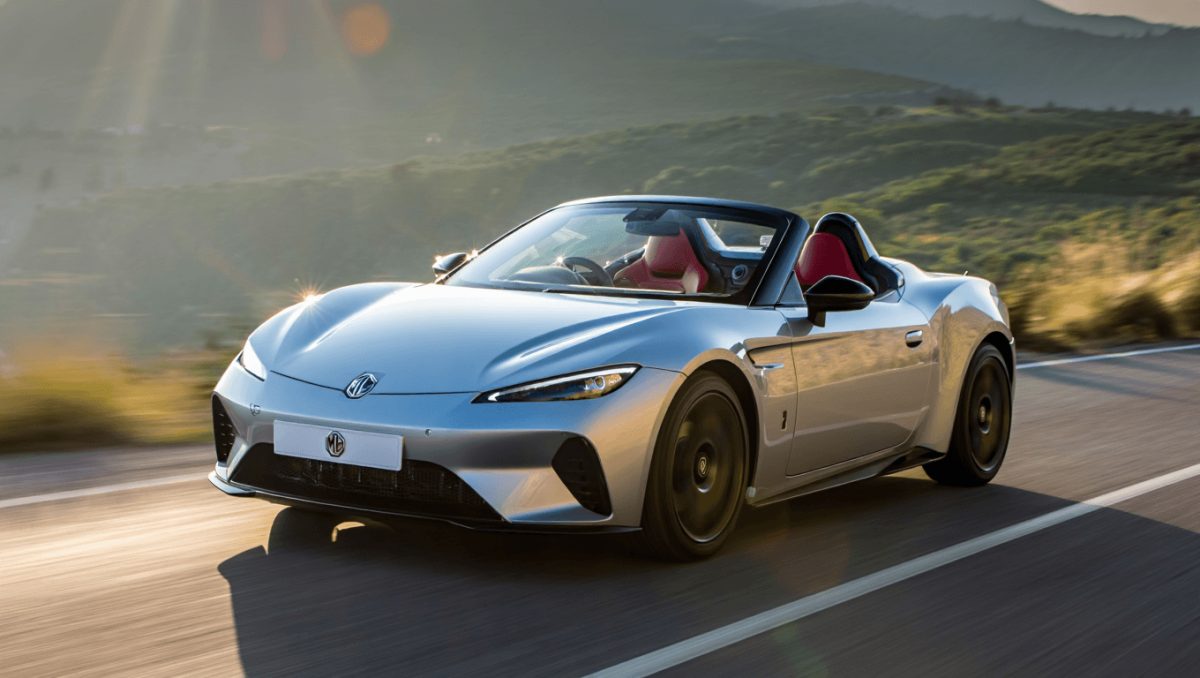
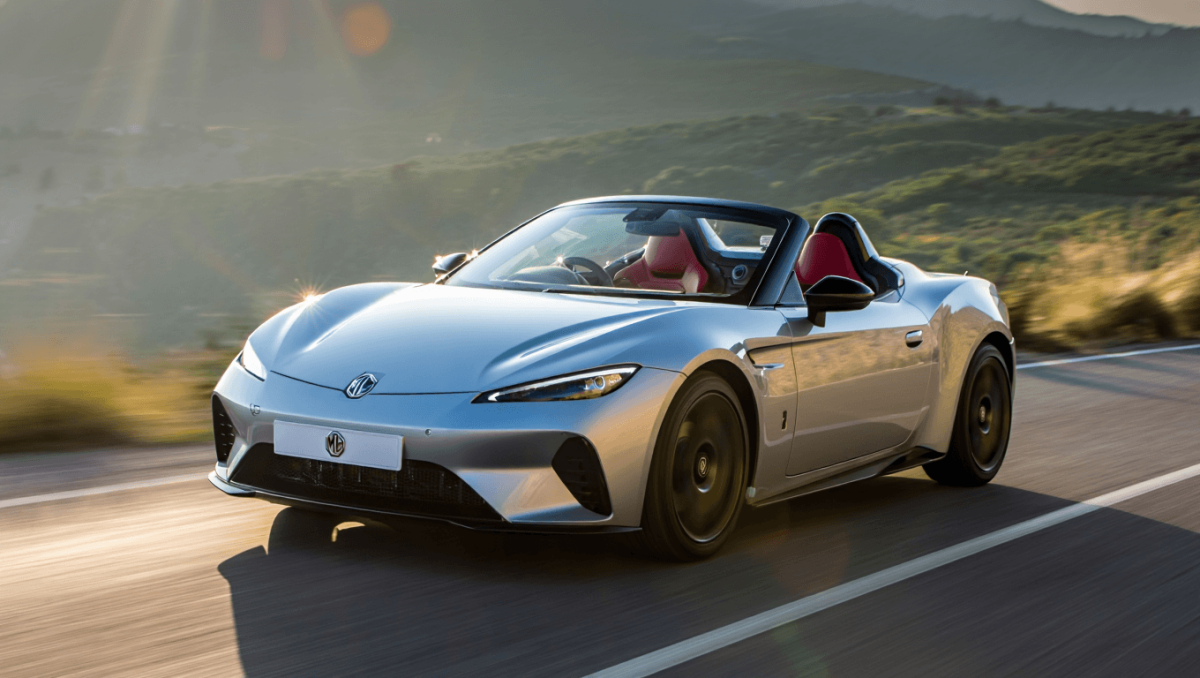
The Cyberster cuts a striking figure. From its low-slung silhouette to the long bonnet and compact rear, MG has aimed for a modern take on classic roadster proportions. The design is deliberately bold — not subtle — which helps the car stand out among mainstream electric hatchbacks and crossovers.
Joan Mir leaves Honda after being kept in the dark about his MotoGP future
Lewis Hamilton Ferrari switch could derail Oliver Bearman: Coulthard warns
Inside, the cabin mixes digital displays with a simpler physical control layout. Materials feel competent rather than luxurious, and the driving position is focused: low, snug and very much aimed at the person behind the wheel. Two-seat packaging means storage is limited, but the boot and small front luggage area are practical enough for weekend trips.
On the road: how it drives
Behind the wheel, the Cyberster quickly reveals its intentions. Acceleration is immediate — MG’s performance claims are believable — and the car pulls with a linear, electric torque delivery that feels both eager and controllable. The steering is direct and offers good feedback for a modern EV; it leans toward sportiness without feeling harsh or overly artificial.
Chassis tuning favours agility. Body control is tight through corners and the suspension strikes a reasonable compromise between ride comfort and engagement, absorbing city imperfections without upsetting composure on faster roads.
For drivers who value engagement over ultimate lap times, the Cyberster hits a sweet spot: it feels like a sports car you can live with day to day, not a fragile track toy.
Practical considerations
There are trade-offs. The two-seat layout limits passenger utility and rear storage. Visibility from the cockpit is decent, although reversing in tight urban spaces highlights the usual challenges of low-slung sports cars.
- Performance: MG quotes brisk acceleration for the top dual-motor version, putting it in the company of established sports cars for 0–62mph sprints.
- Range: MG states the Cyberster will cover several hundred miles on a single charge in its most efficient configuration under the WLTP cycle — enough for typical daily use and many longer trips with planning.
- Charging: The car supports rapid charging, meaning short stops on long runs can restore useful range quickly, though real-world times depend on charger output and conditions.
- Practicality: Two seats, modest luggage capacity and a low ride height make it best suited to buyers who prioritise driving enjoyment over family-hauling duties.
Technology and safety
The Cyberster brings current EV tech into a compact package: a modern infotainment system, driver assistance aids, and connected services are all included. MG’s approach is pragmatic — the software is functional and the digital interfaces are sensible rather than flashy.
Safety equipment covers the expected suite of aids; build quality felt consistent during the drive, though long-term reliability will only be proven over time.
What this means for the market
The significance of the Cyberster isn’t only in its specs. It represents a mainstream manufacturer putting an accessible, purpose-built electric sports car on sale — a direct signal that electrification is reaching niche segments previously dominated by petrol. That could nudge prices down across the small sports-car market and broaden EV adoption among drivers who prioritise fun driving dynamics.
For buyers who want a weekend toy that’s usable on weekday commutes without the noise or maintenance of a combustion engine, the Cyberster is a credible option. It also pressures rivals to rethink how they package performance EVs for a wider audience.
Who should consider the Cyberster?
If you want an engaging, compact EV and you accept the compromises of two-seat packaging, the Cyberster is worth a test drive. It is not aimed at buyers who need flexible passenger space or maximum practicality — but it is compelling for someone who wants modern electric performance with clear sporting intent and a distinctive look.
For those weighing alternatives, the decision will come down to priorities: outright badge prestige versus value, bespoke driving feel versus everyday utility.
Bottom line: MG’s Cyberster delivers believable electric performance and a focused driving experience at a time when most EVs prioritise utility over thrills. It won’t replace a family car, but it makes a persuasive case for an affordable, everyday-capable electric sports car — and that matters as the market evolves.