Show summary Hide summary
Electric cars are stretching their range figures at an astonishing pace, and that shift matters now: longer WLTP numbers mean fewer charging stops and make long-distance motoring far more practical for more drivers. Below is a rewritten, journalist-led guide to the market’s longest-range EVs, highlighting the models that recently pushed the envelope and what that means for buyers.
Quick reference: longest-range electric cars (claimed WLTP)
- Mercedes‑EQS 450+ — 575 miles (122 kWh)
- BMW i3 50 xDrive — 562 miles (108.7 kWh usable)
- Volvo EX60 Twin Motor — 503 miles (117 kWh)
- BMW iX3 50 xDrive — 500 miles (108.7 kWh usable)
- Mercedes‑CLA 250+ — 484 miles (85 kWh)
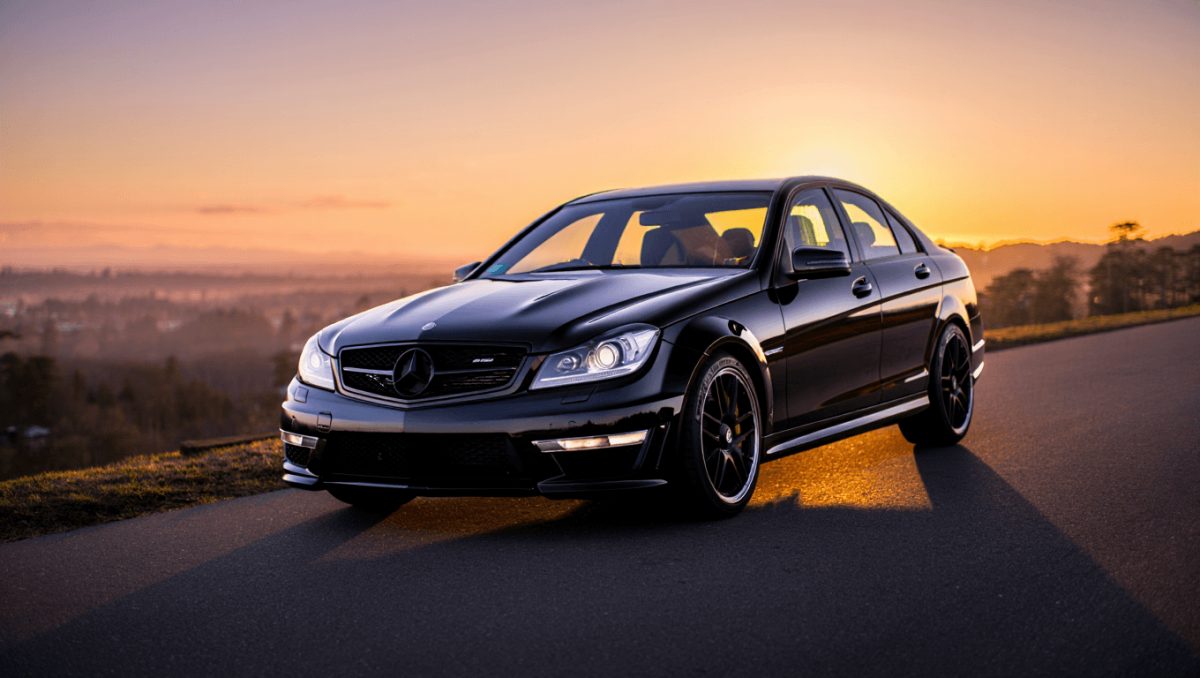
- Mercedes‑C 400 4Matic — 473 miles (94 kWh)
- Audi A6 e‑tron Sportback Performance — 470 miles (94.9 kWh)
- DS No 8 Long Range — 466 miles (97.2 kWh)
- Tesla Model 3 Long Range — 466 miles
- BMW i7 50 / 60 xDrive — 452 miles
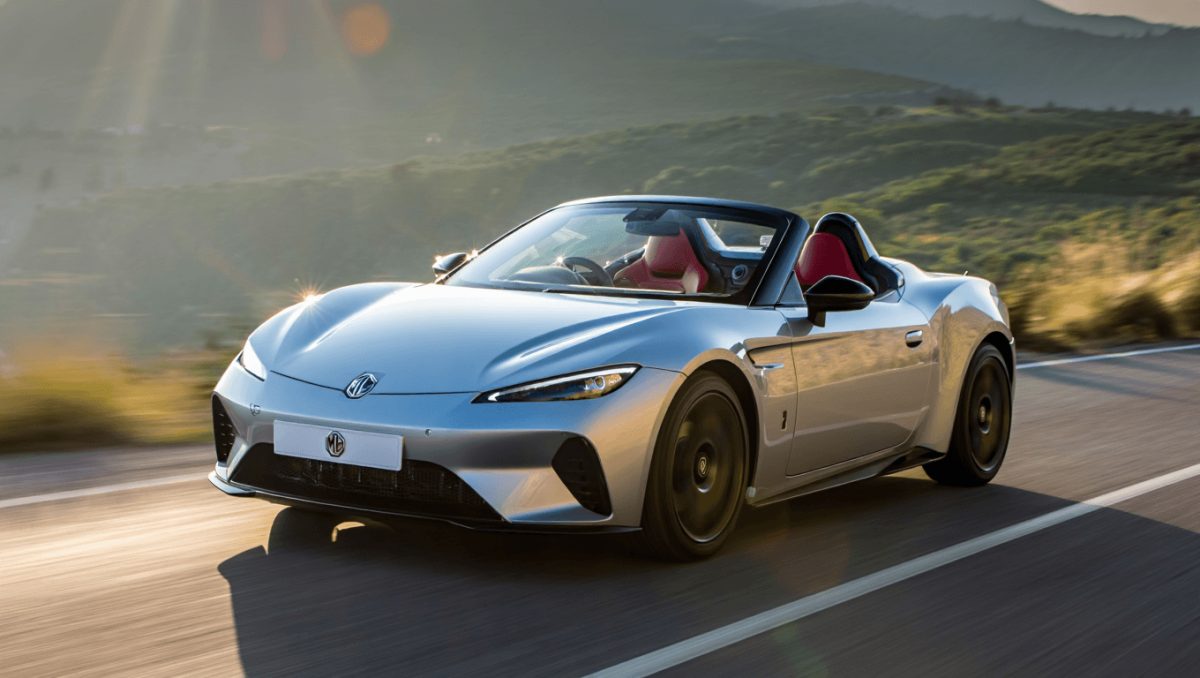
- MG IM5 Long Range — 441 miles (100 kWh)
- Polestar 3 Long Range — 438 miles (111 kWh)
- Volkswagen ID.7 Pro S — 436 miles (86 kWh)
- Peugeot E‑3008 — 435 miles (97 kWh)
- Mercedes‑EQE 350+ — 429 miles (96 kWh)
- Volvo ES90 Twin Motor — 426 miles (106 kWh)
- BMW iX xDrive60 — 426 miles (109.1 kWh)
- Vauxhall Grandland Electric — 425 miles (97 kWh)
- Citroën e‑C5 Aircross Long Range — 421 miles (97 kWh)
- Porsche Taycan (rear‑drive) — 421 miles (105 kWh gross)
- Polestar 5 Long Range — 421 miles (112 kWh)
- Peugeot E‑5008 — 414 miles (97 kWh)
- Polestar 2 Long Range — 408 miles (82 kWh)
- Audi Q6 Sportback e‑tron (RWD) — 410 miles (XL 100 kWh)
- Mercedes‑GLC 400 4Matic — 405 miles (94 kWh)
- Porsche Cayenne (electric) — 399 miles (113 kWh)
- Porsche Macan (single motor) — 398 miles (100 kWh)
- Tesla Model Y Long Range — 391 miles
- Polestar 4 Long Range (single motor) — 385 miles (94 kWh usable)
- Volvo EX90 Twin Motor — 383 miles (111/107 kWh)
Joan Mir leaves Honda after being kept in the dark about his MotoGP future
Lewis Hamilton Ferrari switch could derail Oliver Bearman: Coulthard warns
What the headline numbers mean in practice
Manufacturers now routinely quote WLTP figures that look close to internal‑combustion car mileage numbers, but real-world range depends on speed, weather, load and driving style. Still, the step change in battery capacity and efficiency across this cohort is unmistakable: several models now use 800‑volt architectures or very high DC charging peaks, cutting fast‑charge stops to a few minutes rather than half‑hour pauses.
For buyers, three consequences stand out. First, long-distance trips are easier to plan and less fragmented. Second, vehicles with larger batteries and efficient aerodynamics tend to retain more range as speed rises. Third, fast‑charging capability has become as important as battery size: a car that accepts 350–400 kW can recover hundreds of miles in a short break.
Models that matter — brief highlights
The Mercedes‑EQS 450+ now leads the pack on paper, with a claimed 575 miles thanks to its large battery and very low drag. That puts it in a different league for drivers who do long motorway runs regularly, though it remains a large, premium saloon and the price tag reflects that.
BMW’s reimagined i3 (this time a 3 Series‑sized electric) and the iX3 sibling platform have produced very high claimed ranges — both rely on efficient packaging and slippery bodies to turn roughly 109 kWh of usable energy into 500‑plus mile figures in some specs. Those numbers underline how much layout and aerodynamics contribute once raw battery capacity is similar across rivals.
The Stellantis family (Peugeot, Citroën, Vauxhall) shows another route: common platforms and large 97 kWh battery packs yield long ranges in family‑sized SUVs and MPVs, often with seven seats and very practical cabins. That approach has allowed more affordable vehicles to join the long‑range conversation.
Charging and architecture — what to check
- Does the car use 800V electrical architecture? If so, it typically accepts higher peak power and shorter 10–80 per cent times.
- What is the vehicle’s maximum DC charging power (kW)? Higher peak kW translates to faster top‑up stops if you can find a matching charger.
- Battery chemistry and usable capacity: manufacturers quote gross and usable kWh differently. Usable capacity is the practical figure to compare.
Picking the right long‑range EV for you
If you mainly commute and charge at home, very high WLTP numbers are less crucial than efficiency and cost. But if you regularly cover long distances or dislike frequent charging pauses, prioritise a model with both a large usable battery and high DC charging capability.
Also remember: claimed ranges are a useful starting point, not a guarantee. Independent tests and everyday ownership reports are the best way to understand how a specific car behaves on real roads under real conditions.
In short, the latest crop of electric cars has made range anxiety a shrinking problem. The marketplace is now broad enough that most drivers can find an EV that balances claimed range, charging performance and practicality — but do your homework on usable battery capacity, charging peak and aerodynamic efficiency before committing.