Show summary Hide summary
David Coulthard has urged Ferrari to act quickly on Oliver Bearman’s rapid ascent, warning the Scuderia must choose the right moment to promote the youngster or risk losing a generational talent. With Lewis Hamilton signed through 2026 and Bearman making waves at Haas, the team faces a crucial decision that could shape its driver line-up for years.
Bearman’s momentum and why it matters now
Oliver Bearman has translated junior promise into immediate impact on the Formula 1 grid. A graduate of the Ferrari Driver Academy, he outscored his more experienced Haas teammate during his full rookie year and has continued to collect strong results into 2026, amassing 17 points from the opening four rounds and sitting inside the top 10 of the championship standings.
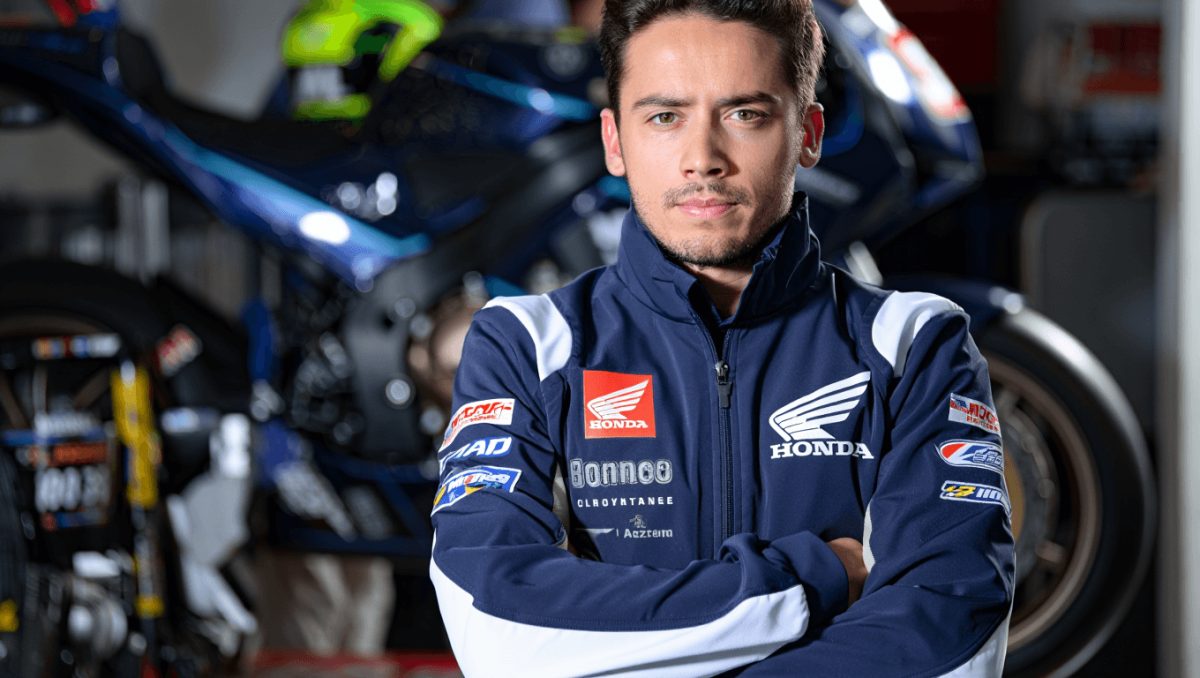
Joan Mir leaves Honda after being kept in the dark about his MotoGP future
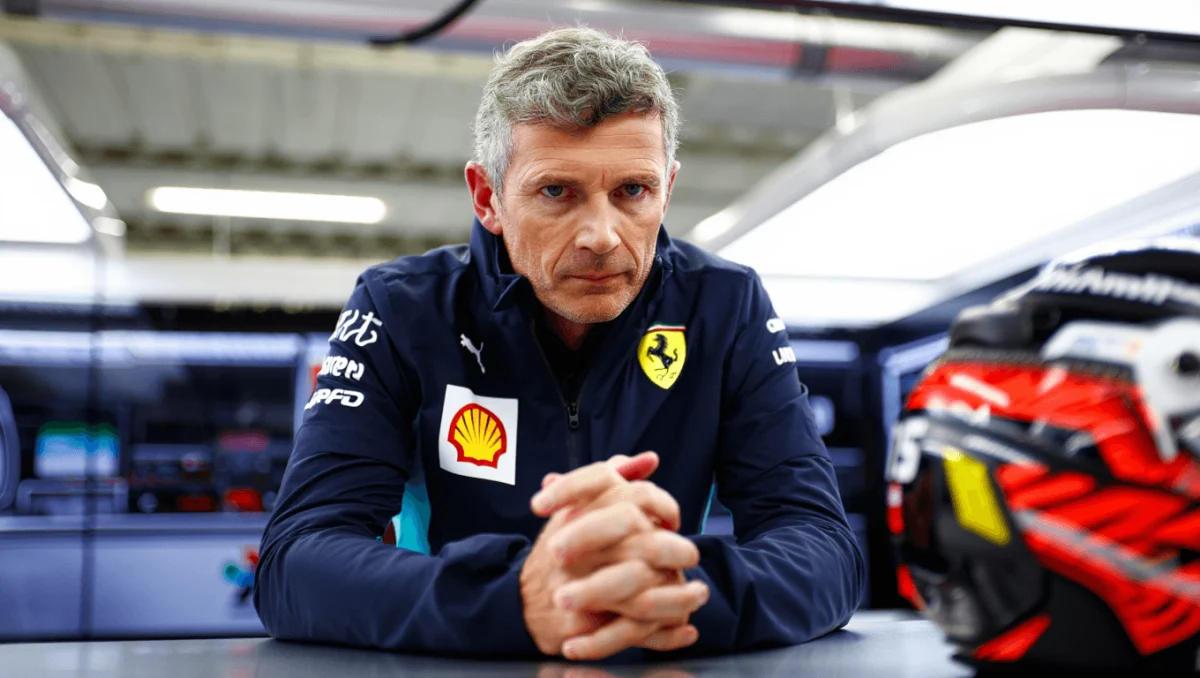
Lewis Hamilton Ferrari switch could derail Oliver Bearman: Coulthard warns
That form is attracting attention because Haas runs a Ferrari power unit and technical partnership, making Bearman an obvious candidate for a Seuderia promotion when a senior seat becomes available.
Ferrari’s predicament: timing, contracts and pressure
At the centre of the debate is timing. Lewis Hamilton remains contracted until at least the end of 2026, while Charles Leclerc’s future at Ferrari is clouded by public calls for a car capable of delivering wins. The SF‑26 has produced regular podiums this year but has not been a consistent race‑winner, and recent events suggested rivals may have closed the gap.
Coulthard warns Ferrari must be alert to the moment to thrust a rising driver into the spotlight. He argues that success at a midfield team under different pressure does not directly translate to immediate dominance at a top team, but delaying promotion too long can blunt a young driver’s upward trajectory.
Former F1 commentator Will Buxton has echoed that concern, suggesting that hesitation risks other teams making offers if Bearman becomes convinced he deserves a seat at a front-running team.
- Opportunity cost: Promoting Bearman early could accelerate development but may unsettle existing drivers and disrupt team dynamics.
- Performance risk: A raw talent in a Ferrari seat will face far greater scrutiny and pressure than at a customer team like Haas.
- Contract timing: Hamilton’s status through 2026 creates a narrow window for any change without forcing an awkward mid‑season switch.
- Rival interest: Red Bull, Mercedes or other constructors could target Bearman if Ferrari hesitates.
- Long‑term planning: Ferrari must weigh immediate performance needs against nurturing a potential long‑term championship contender.
What to watch next
Key signs of how Ferrari will proceed include any public or private updates on driver contracts, Leclerc’s own trajectory and how Bearman handles the next few races under increased attention. A string of standout results or a high‑profile error will both sharpen the team’s calculus.
For supporters and rival teams alike, the stakes are clear: mishandling a hot prospect can mean losing not just a driver, but a strategic advantage. Conversely, introducing a young star at the right moment can secure a competitive future.
In short, Ferrari’s decision on Bearman is not simply about one seat — it is about timing, risk tolerance and whether the team can balance present competitiveness with grooming the next generation of championship contenders.