Show summary Hide summary
Senior figures at Audi and Ferrari have urged a measured response to the contentious rule package introduced for the 2026 season, arguing the new powertrain rules have delivered more exciting on-track racing than many critics admit. Their intervention comes as the FIA confirms tweaks ahead of the Miami Grand Prix and signals a possible return to V8 engines by the end of the decade — a debate with real consequences for costs, technology and the spectacle fans see on race day.
FIA updates and a shifting timeline
The governing body announced a series of adjustments before Miami aimed at encouraging more flat‑out laps in qualifying and addressing safety concerns. Drivers called the changes incremental, saying larger refinements may still be needed.
Joan Mir leaves Honda after being kept in the dark about his MotoGP future
Lewis Hamilton Ferrari switch could derail Oliver Bearman: Coulthard warns
Separately, the FIA says manufacturers and teams have agreed to revisit the balance between electric and internal combustion power for 2027, and president Mohammed Ben Sulayem has publicly set a target for a return of V8 engines by about 2030 (no later than 2031). Several major manufacturers — including Red Bull’s partners, Ford and General Motors — are reported to be receptive to that shift.
How Audi and Ferrari see it
Audi’s F1 chief described the 2026 rule package as producing close racing and genuine battles on track, telling reporters that drivers like the current format and that fans have seen a strong spectacle since the new regulations took effect. He argued conversations with the FIA about incremental improvements are already underway, and urged a positive outlook rather than wholesale rejection.
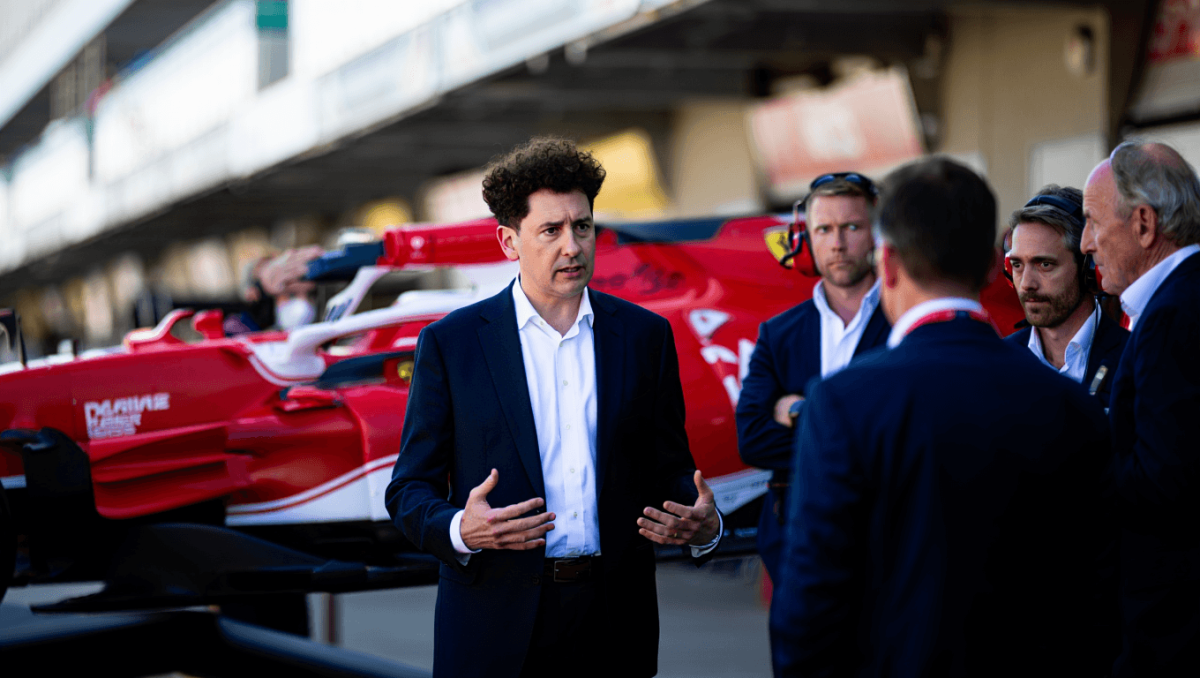
Ferrari’s team principal made a similar point from a different angle, saying race action driven by energy management feels more organic than the previous DRS‑led era. He underlined that overtakes now often stem from driver or team strategy rather than a single mechanical aid, and welcomed ongoing post‑race discussions with the FIA to refine the system.
Reaction across the paddock
Not everyone is fully aligned. Mercedes’ team principal has warned against dropping the sport’s electrified direction too quickly, stressing the importance of retaining hybrid technology as F1’s technical showcase. Meanwhile, some drivers and fans remain critical, urging faster or more substantial regulatory tweaks to improve wheel‑to‑wheel action.
- Spectacle: Teams say overtaking and close fights have increased, improving the on‑track product for viewers.
- Technical direction: A possible shift back to V8s would alter the sport’s engineering focus and public image on sustainability.
- Costs: Engine budget pressures are central to discussions — manufacturers want power units that are less expensive to develop and supply.
- Manufacturers: Big names appear open to compromise, but their buy‑in depends on technical, commercial and brand priorities.
- Timeline: Any move to change the fundamental power unit concept is likely to be phased in over several seasons rather than immediate.
Why this matters now
The decisions made in the next 12–24 months will determine whether Formula 1 continues to push hybrid and battery technology at the sport’s apex, or pivots back to a more traditional combustion emphasis. That has knock‑on effects for team budgets, supplier strategies and the sport’s pitch to broadcasters and sponsors.
For fans, the issue is straightforward: will F1 keep producing the close, strategic races seen under the 2026 rules or revert to a different form of spectacle? For manufacturers and engine makers, the question is which technical direction best serves marketing, research priorities and cost control.
Whatever path is chosen, conversations between teams, engine suppliers and the FIA are likely to intensify as the sport seeks a balance between on‑track entertainment, technological relevance and financial sustainability.