Show summary Hide summary
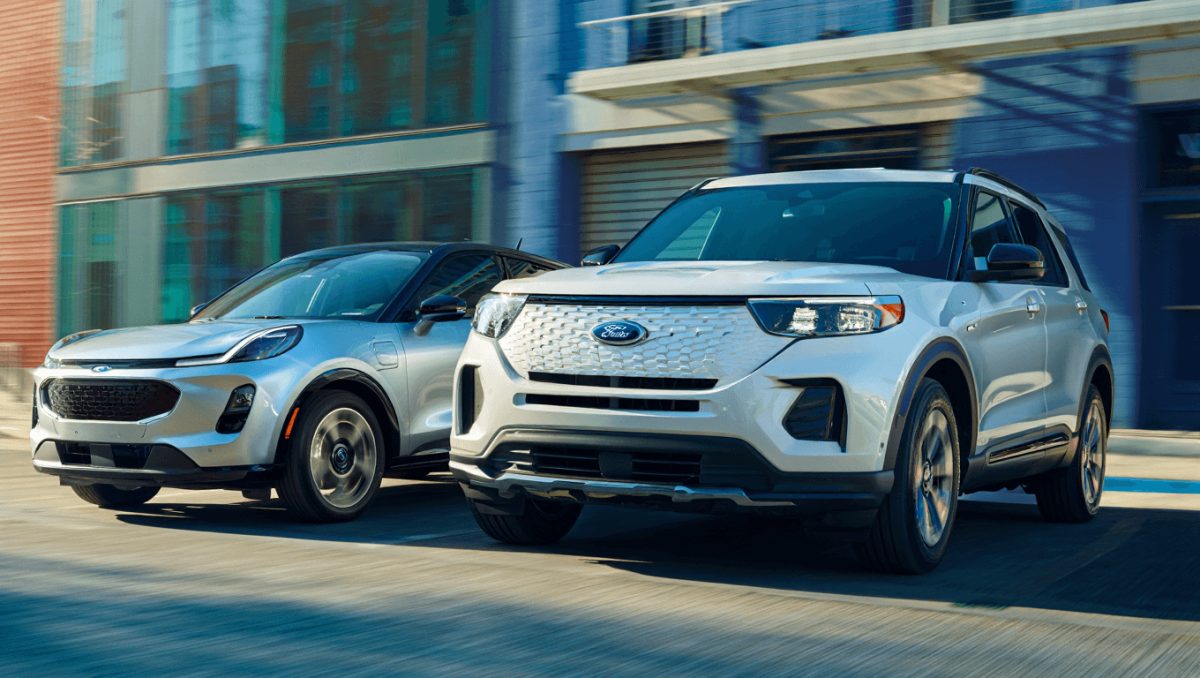
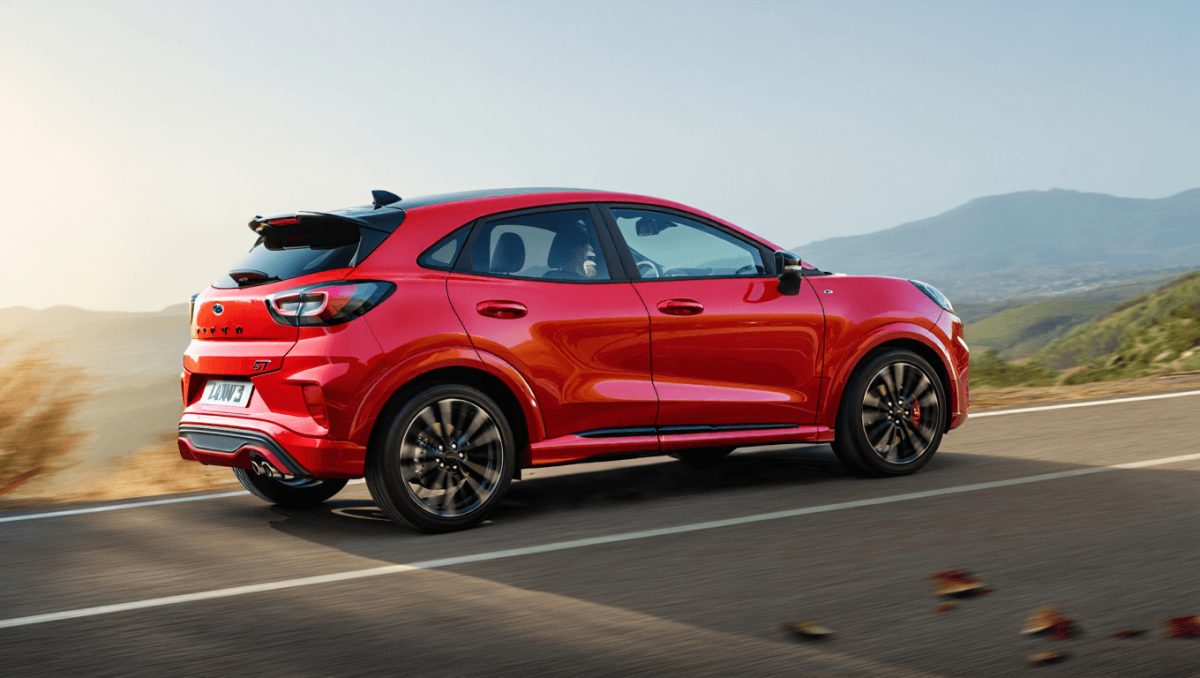
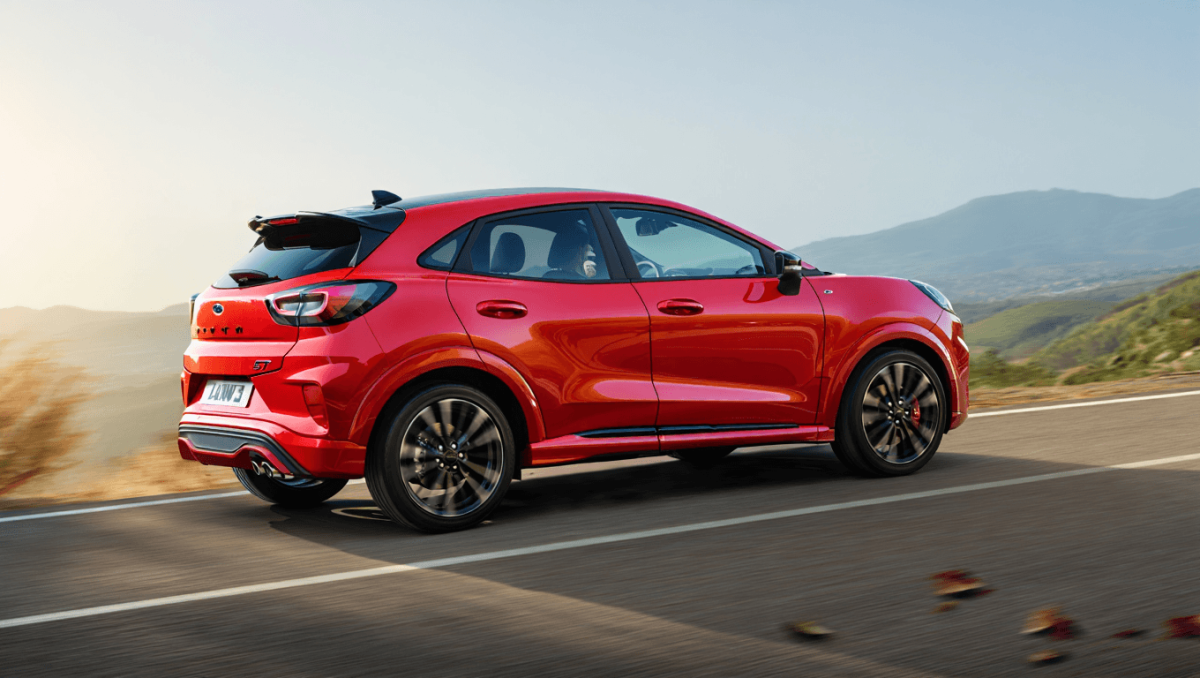
Ford’s performance line-up has been pruned: with the Fiesta ST and Focus ST discontinued, the compact crossover now carries the last combustion-engine ST badge. The refreshed Puma ST arrives as the marque’s final petrol‑powered ST offering, but changes under the skin have left enthusiasts asking whether it still deserves the name.
The most obvious update is under the bonnet. Where a punchy 1.5‑litre three‑cylinder and a manual gearbox once defined the Puma ST’s character, Ford has moved to a smaller, 1.0‑litre Ecoboost engine with a 48‑volt mild‑hybrid assist and a single transmission choice: a seven‑speed dual‑clutch. That package reduces peak power and raises kerb weight, with immediate consequences for performance and feel.
- Engine: 1.0‑litre three‑cylinder Ecoboost with 48V mild‑hybrid boost
- Transmission: seven‑speed DCT only — no manual option
- Performance shift: lower peak power and torque, modest weight gain
Joan Mir leaves Honda after being kept in the dark about his MotoGP future
Lewis Hamilton Ferrari switch could derail Oliver Bearman: Coulthard warns
What’s changed and why it matters
The new setup produces 168bhp and 183lb ft of torque — noticeably less than the outgoing 1.5‑litre’s figures — while the car weighs roughly 1,394kg, about 36kg heavier than before. On paper that drops the power‑to‑weight ratio from the previous car’s brisk figures to around 121bhp per tonne. The upshot is a Puma that is quicker around town thanks to low‑end torque and the DCT’s prompt shifts, but less eager when you push into higher revs or attempt a spirited overtake on a B‑road.
For buyers today, that translates into a vehicle that still wears the ST badge but behaves differently. The mild‑hybrid system helps urban responsiveness and fuel economy, yet it cannot fully replace the linear pull and character of a larger turbocharged unit when driving hard.
On the road: impressions
In urban driving the combination of instant DCT shifts and hybrid torque gives a lively, uncomplicated feel — ideal for stop‑start traffic. However, the engine’s three‑cylinder nature is audible and transmits more vibration into the cabin than some rivals, a reminder that compact forced‑induction units trade smoothness for character.
Once you leave town, the compromise is clearer. Acceleration beyond low speeds lacks the top‑end urgency fans expect from an ST, and there are moments when the engine’s performance feels constrained as revs climb. The dual‑clutch gearbox is generally quick, though it can be hesitant if you demand more aggressively; it’s competent but not as involving as a well‑judged manual.
Chassis and handling — the good news
The good news is that Ford has retained the ST‑specific chassis architecture that makes the Puma entertaining. The bespoke rear twist beam, revised springs and anti‑roll bars, plus a sharper steering ratio, all remain. That package yields a lively, precise handling balance that still rewards an attentive driver.
The steering is direct and offers surprising feedback for a crossover; brakes are strong with a firm pedal feel, though repeated heavy use will reveal fade earlier than on lighter hot hatches. If you prefer a more track‑focused set‑up, Ford offers an optional Handling Pack with adjustable KW coilovers and 19‑inch wheels, which sharpens the experience further — but the limited‑slip differential that used to be available has not been carried over.
Interior and tech
Inside the cabin the Puma ST keeps the supportive Ford Performance seats that suit sporty driving, but the dash has been modernised. A larger 12‑inch touchscreen running SYNC, and a 12.3‑inch digital instrument cluster, bring the car up to contemporary standards. The infotainment is responsive, though some functions previously accessed by physical buttons have migrated into menus, which can be less convenient on the move.
One of the more polarising changes is a reshaped steering wheel that some will find odd; the automatic gear selector also departs from the traditional ST look and feels rather utilitarian. Build quality is generally solid, but the cabin can be susceptible to road noise and small rattles under certain conditions.
Price, practicality and rivals
Originally launched from about £31,000, the updated Puma ST now starts at roughly £34,000, with typical options pushing tested cars into the mid‑£30k range. It remains a practical choice thanks to the Puma’s generous interior space and elevated ride height, offering day‑to‑day usability that smaller hatches lack.
Competition is limited in the combustion‑ST segment as manufacturers pivot towards electrified performance. Volkswagen’s T‑Roc R and BMW’s X2 M35i sit at higher power and price points; Hyundai’s Kona N has not been reintroduced in the UK as a combustion rival. That leaves the Puma as a distinctive, if compromised, option for drivers who want an ST‑branded petrol car with crossover practicality.
Key specifications
| Engine | 1.0‑litre Ecoboost with 48V mild‑hybrid |
|---|---|
| Power | 168bhp @ 5,750rpm |
| Torque | 183lb ft @ 3,000rpm |
| Kerb weight | 1,394kg |
| Power‑to‑weight | c. 121bhp/tonne |
| 0–62mph | 7.4 seconds |
| Top speed | 130mph |
| Starting price | £34,000 (approx.) |
Ultimately, the refreshed Puma ST offers a curious mix: the chassis and handling largely justify the ST badge, yet the move to a 1.0‑litre Ecoboost with mild‑hybrid assistance and a lone seven‑speed DCT changes its character. For buyers prioritising usable performance, space and modern tech, it remains an attractive package; for purists who equate ST with raw, high‑revving engagement, it will feel more like a compromise than a continuation.