Show summary Hide summary
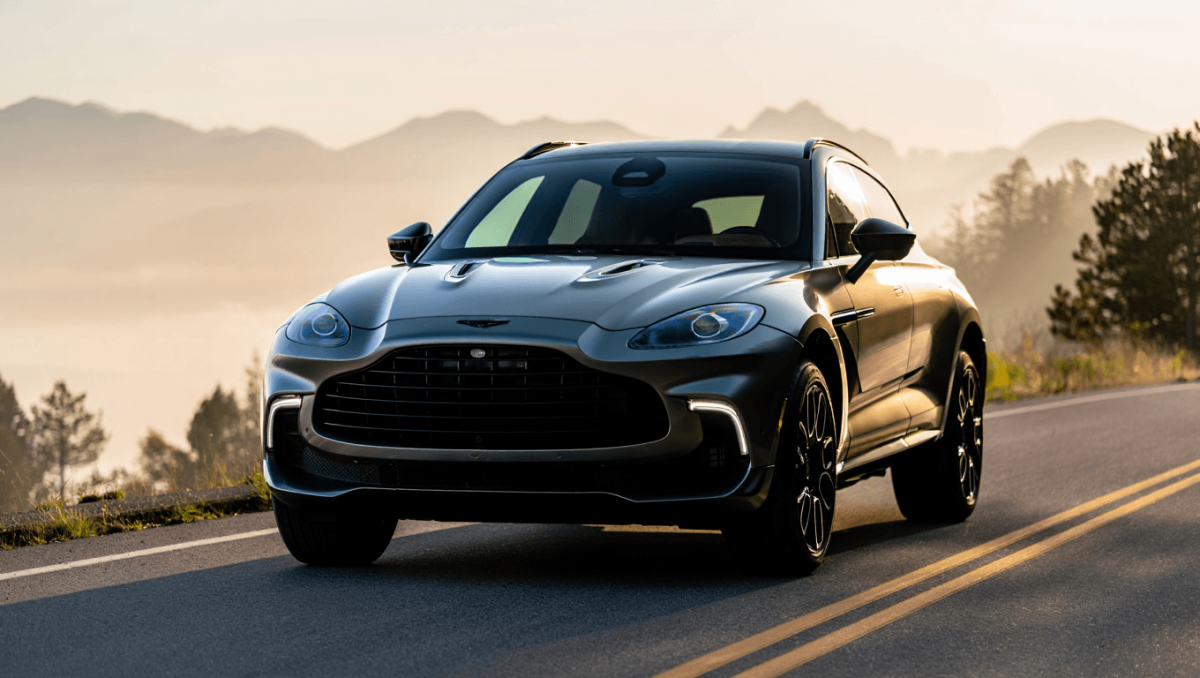
The Aston Martin DBX707 arrives at a pivotal moment: as the industry accelerates towards electrification, this near-700bhp petrol SUV argues there is still a market — and serious money — for high-performance internal-combustion models. The 2024 updates sharpen its dynamics and cabin, making the DBX707 both Aston’s most lucrative model and one of the firmest statements yet that performance SUVs remain commercially vital.
What has changed — and why it matters now
Aston Martin has reworked the DBX707 to be sharper, quieter and more assured on the move. These tweaks are not cosmetic: they aim to preserve the model’s appeal as buyers pivot between luxury, utility and performance. For a company that depends on volume from its SUV line-up, the DBX707 is less a halo car and more a crucial revenue stream.
Joan Mir leaves Honda after being kept in the dark about his MotoGP future
Lewis Hamilton Ferrari switch could derail Oliver Bearman: Coulthard warns
The 2024 revision upgrades the interior to match Aston’s new coupes, brings revised damping hardware and rebalances steering and exhaust mapping so the car feels livelier without becoming abrasive. That mix of performance and everyday refinement is the core selling point.
Key technical changes
Under the skin there are several substantive engineering updates. Chassis stiffness has been increased, the electronic anti-roll system is more aggressive and the suspension settings have been recalibrated across drive modes. Aston has also introduced special front hydrobushes and fitted large carbon-ceramic brakes as standard on the 707.
| Engine | 4.0-litre twin‑turbo V8 (AMG M177 architecture) |
|---|---|
| Peak power | 697 bhp at 6,000 rpm |
| Peak torque | 664 lb ft from 2,600–4,500 rpm |
| Transmission | 9‑speed automatic (wet‑clutch), revised final drive |
| Brakes | Carbon‑ceramic, 420mm front / 390mm rear (standard) |
| Kerb weight | Approximately 2,245 kg |
| Wheels | Optional 23‑inch alloys |
| Starting price (UK) | From £205,000 |
How it drives
On ordinary roads the DBX707 still feels more like a planted performance saloon than a typical SUV. The car’s refinement and composure survive the upgrades: compliance remains impressive even with the stiffer top mounts and larger wheels. In Sport and Sport+ the engine’s extra urgency is obvious — the V8 becomes more responsive, revs more willingly and delivers torque with a keener edge than the standard DBX.
That said, the 707 is still a substantial machine. Its scale is constant in your mind when you push hard: mass, length and width impose physical limits. The active anti‑roll system can occasionally flatten cornering in a way that feels almost exaggerated, a reminder that managing two-plus tonnes is a different discipline to piloting a coupe.
Overall the car rewards measured driving. It offers a sense of mechanical honesty — grip and balance are communicated rather than masked — so you can place the tyres precisely rather than relying solely on electronic intervention. The result is a large SUV that retains an engaging, almost GT‑like character.
Interior and in‑car technology
Aston has addressed one of the DBX’s earlier criticisms by bringing the cabin up to date with the company’s newer models. Surfaces now have more texture, controls feel better integrated and there’s greater scope for customisation. The instrument cluster is a configurable TFT unit, and the infotainment supports wireless Apple CarPlay (Android to follow via over‑the‑air update).
There are still irritations: some touchscreen controls are small and fiddly on the move, and the radio can be temperamental. Seat padding remains on the thinner side compared with rivals, which can be noticeable after long drives.
Practical points and daily life
- Fuel consumption: expectations are modest — around low 20s mpg on mixed use, lower under enthusiastic driving.
- Ride sensitivity: tyre pressures influence low‑speed manners; small adjustments can alter comfort noticeably.
- Tailgate behaviour: some cars report intermittent operation from the fob or the touch switch.
Where it sits in the market
Price places the DBX707 among an elite group of fast luxury SUVs. At roughly £205,000 it’s close to the Lamborghini Urus SE and undercuts some Bentley and Ferrari alternatives — though the Ferrari Purosangue sits in a distinctly different stratosphere in both price and engineering approach.
How it compares:
- Porsche Cayenne Turbo/Turbo E‑Hybrid: more track‑focused in some guises, often the sharpest driver’s choice.
- Lamborghini Urus SE: rawer, more theatrical; the Aston trades some outright drama for composure.
- Range Rover Sport SV and Bentley Bentayga Speed: more comfort‑oriented rivals with strong luxury credentials.
For buyers seeking a large, fast SUV that feels like a grown‑up performance car rather than a disguised saloon, the DBX707 is a persuasive option. It blends day‑to‑day civility with genuinely sportscar‑calibre responses — and it now wears an interior that better matches its price bracket.
It will not be the choice for everyone: electrified rivals and those prioritising pure efficiency present a compelling counter‑argument. But in 2024, as manufacturers and customers negotiate the shift to EVs, Aston Martin’s high‑powered petrol flagship demonstrates there remains appetite — and commercial rationale — for an analogue performance statement.