Show summary Hide summary
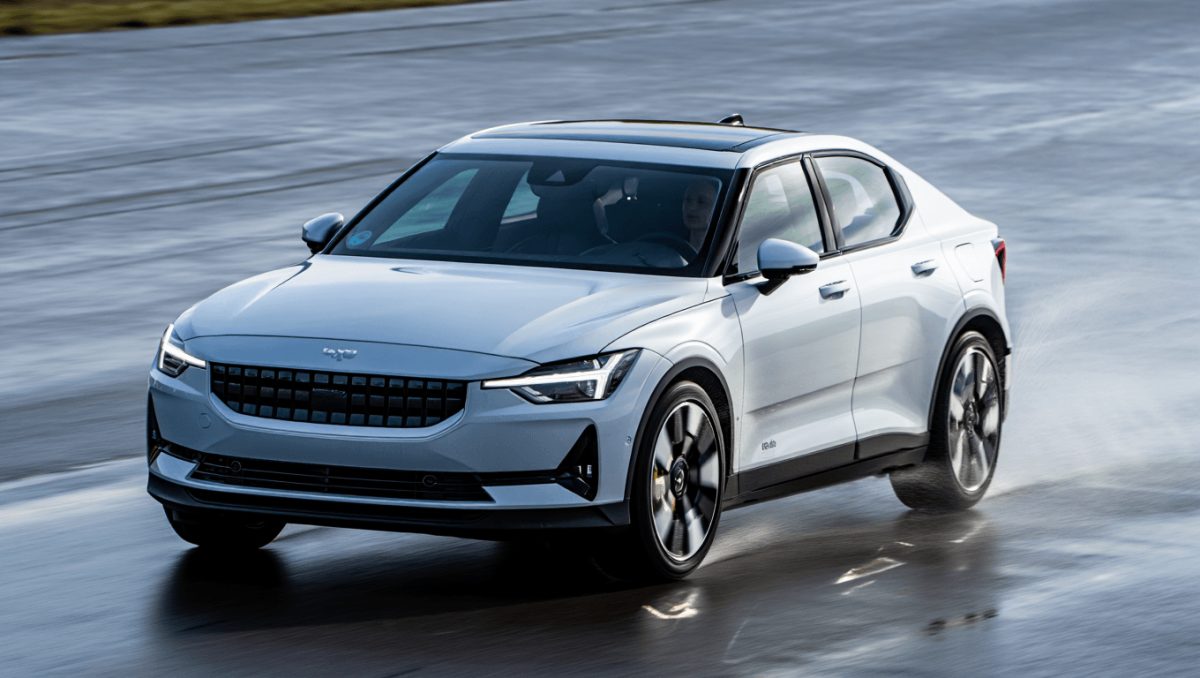
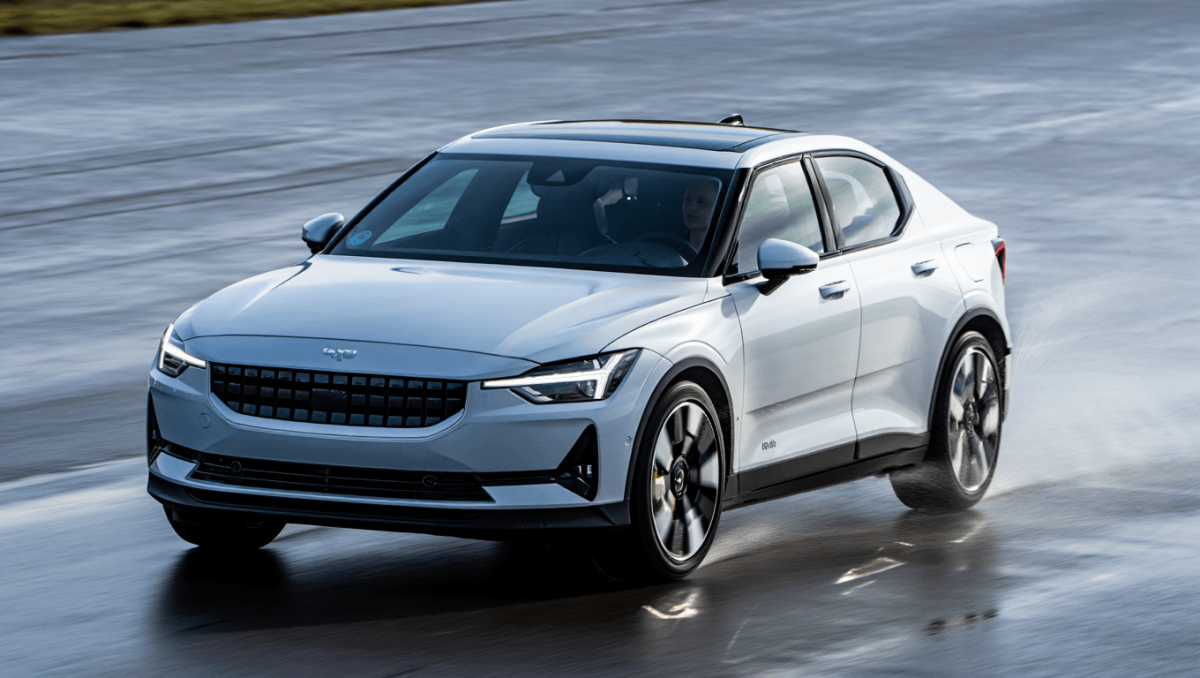
The Polestar 2’s mid-life refresh makes the electric saloon feel noticeably sharper: more responsive off the line, better suited to long trips and tidier inside. That combination matters now, as buyers expect cars that balance everyday comfort with credible real-world range and up-to-date software — and Polestar has focused on improvements that address those priorities.
What’s new and why it matters
Polestar has refined the powertrain, recalibrated efficiency systems and introduced small but effective interior upgrades. The result is a car that closes several gaps with key rivals by offering stronger acceleration while lowering real-world energy consumption.
Polestar 2 overhaul delivers longer range and sharper acceleration
Renault Symbioz SUV £153 a month: limited-time finance offer motorists shouldn’t miss
For drivers this translates into fewer range-related worries on mixed routes and a more engaging feel in everyday driving. Crucially, the changes are software-enabled where possible, so owners can expect continued refinement through over‑the‑air updates.
Driving and performance
Under the skin the emphasis is on usable performance rather than headline numbers. Throttle response is crisper and the two-motor variants feel more willing without sacrificing smoothness in traffic.
Chassis tweaks have sharpened turn-in and reduced unwanted body motion over rough surfaces. Regenerative braking remains adjustable, allowing drivers to choose a stronger one-pedal feel or a more neutral coast — useful when switching between urban commutes and open roads.
Range, charging and practicality
Polestar’s work on thermal management and powertrain efficiency has produced measurable improvements in everyday range, particularly at motorway speeds and in cooler conditions. That reduces the frequency of top-up stops on longer journeys.
Charging capabilities remain competitive, with the car supporting rapid DC charging at public hubs and a straightforward home setup for overnight replenishment. Boot space and cabin practicality are little changed, which is good news for families and those needing a usable everyday hatchback.
| Area | Change | Driver impact |
|---|---|---|
| Powertrain | Refined tuning and power delivery | Sharper acceleration and improved responsiveness |
| Range | Efficiency improvements and better thermal management | Greater usable distance between charges in real conditions |
| Charging | Standard fast-charging support retained | Practical long-distance usability with routine public charging |
| Interior | Minor material and layout updates, refreshed software | Cleaner cabin feel and improved infotainment responsiveness |
| Software | Ongoing over‑the‑air enhancements | Feature and efficiency gains after purchase |
Interior and technology
The cabin retains the Polestar minimalist aesthetic but benefits from subtle refinements: higher-quality upholstery options, tidier trim joins and an updated infotainment interface that feels faster and more polished. Integration with smartphone services is smooth, and voice control has become more reliable for common tasks.
Rear-seat space is competitive for the segment, though taller passengers will still notice limited headroom compared with some tall‑roofed rivals. Storage is sensible rather than generous, reflecting the car’s focus on refined design over sheer utility.
Safety and ownership
Safety features and driver‑assistance systems remain comprehensive, with the usual array of active lane support, automatic emergency braking and adaptive cruise functions. Polestar continues to deliver key features via software updates, which extends the car’s capabilities without a physical visit to a dealer.
- Practical benefit: Improved efficiency reduces range anxiety on longer trips.
- Daily driving: Tighter handling and crisper throttle make city and country driving more satisfying.
- Futureproofing: OTA updates keep the software current and can improve efficiency or add features over time.
Where it sits in the market
The refreshed Polestar 2 is now a stronger contender against established rivals such as the Tesla Model 3, Hyundai Ioniq 5 and BMW i4. It doesn’t chase dramatic styling or extreme range claims; instead it offers a balanced package that emphasises real‑world usability and a refined driving experience.
The verdict is straightforward: for buyers seeking a compact electric car that blends competent range, engaging dynamics and a restrained, modern interior, the updated Polestar 2 is a convincing option. It’s especially relevant to those who value software longevity and want a car that improves subtly over time rather than one that relies solely on headline statistics.