Show summary Hide summary
Peugeot has published UK prices and specifications for the refreshed 408, setting out a straightforward three-powertrain line-up and three trim levels. The new figures make the electric version unexpectedly competitive with the petrol-hybrid option once the government plug-in grant is applied — a detail that changes the calculus for many buyers today.
Pricing and trim choices
The updated 408 is offered in three powertrain flavours — a mild-hybrid petrol, a plug-in hybrid and a fully electric model — each available in **Allure**, **GT** and **GT Premium** trims. Entry-level hybrid models start at £31,995; after the UK electric car grant, the battery-electric version is priced at £32,695, only about £700 more than the hybrid. The plug-in hybrid sits at the top of the range, beginning at £38,445.
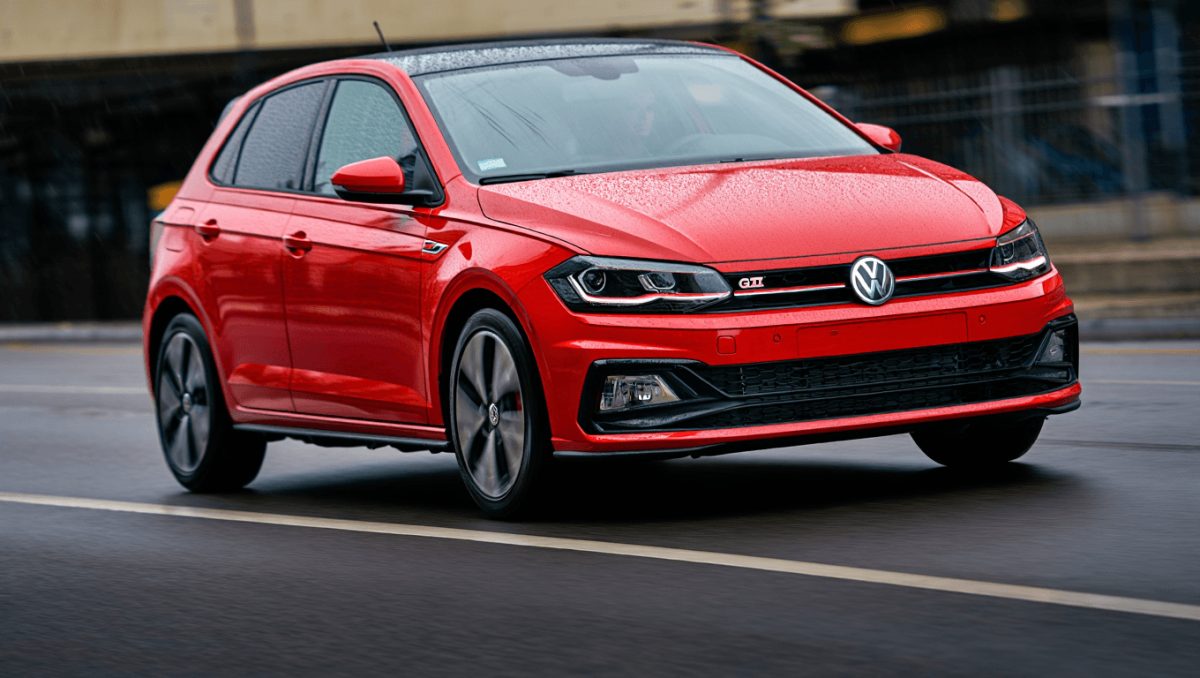
Polo GTI 223bhp sparks debate over VW’s iconic badge
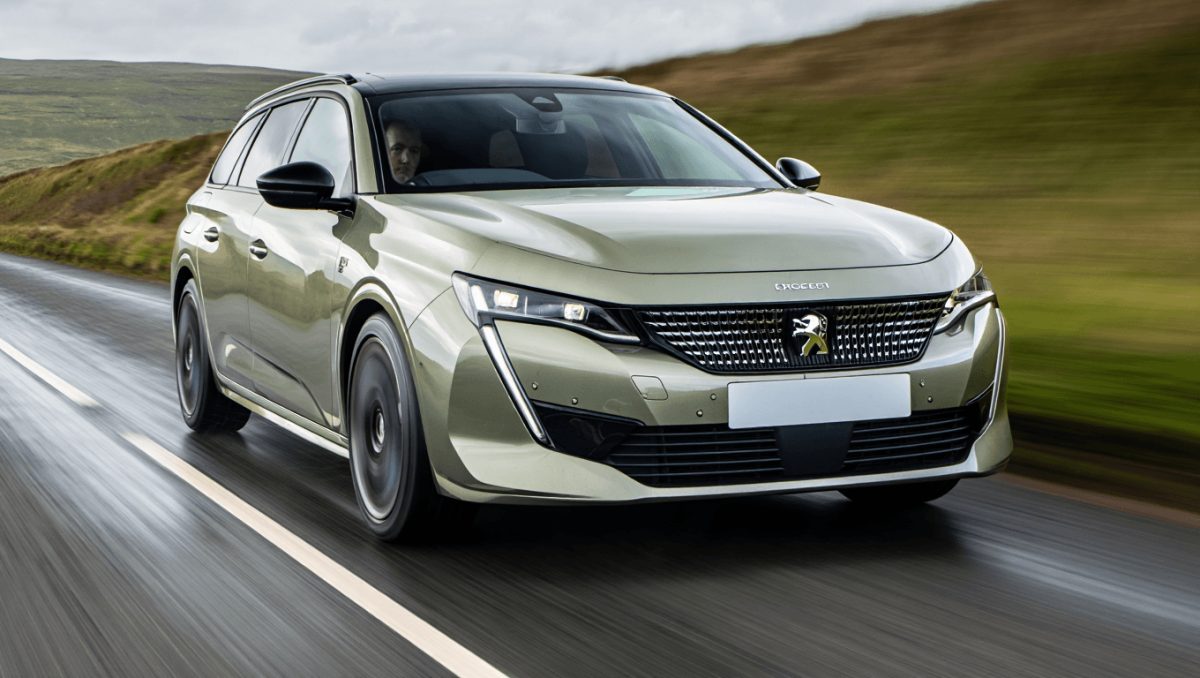
Peugeot 408 facelift lands in UK: prices and equipment confirmed
- GT adds larger wheels, Matrix LED headlights and Alcantara interior touches for an extra £3,500.
- GT Premium brings heated, electrically adjustable and massaging seats, a 360° camera and a premium sound system.
Powertrain summary
| Variant | Powertrain | Output | Battery / range | Charging / economy |
|---|---|---|---|---|
| Hybrid (entry) | 1.2-litre 3-cylinder petrol + e-motor, 6-speed dual-clutch | 143 bhp | NA | Up to 56.5 mpg; Peugeot says it will operate in EV mode for a large share of urban driving |
| Plug-in hybrid | 1.6-litre 4-cylinder petrol + 123 bhp e-motor, 7-speed dual-clutch | 237 bhp (combined) | 14.6 kWh — ~53 miles electric range | Longer electric-only range than the previous PHEV |
| Electric (E-408) | Single front-mounted electric motor | 211 bhp; 343 Nm | 58.2 kWh usable — ~283 miles WLTP | Up to 120 kW DC charging; 10–80% in roughly 30 minutes |
Exterior updates: a sharper face and new lighting
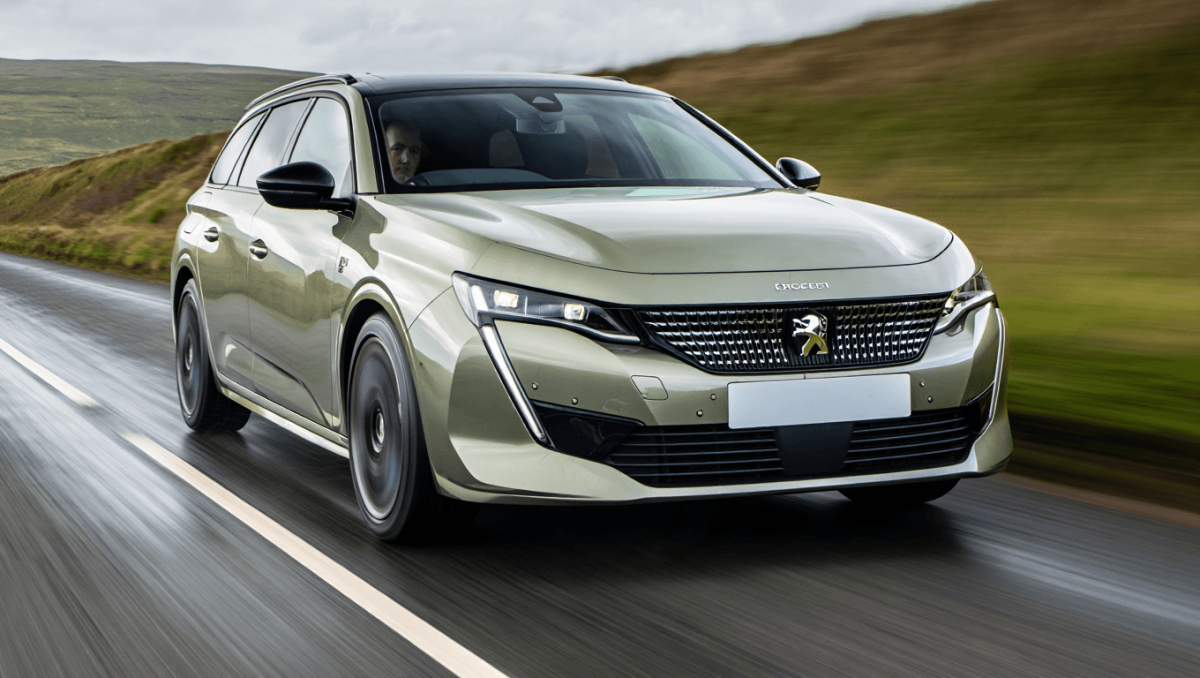
Visually the facelift brings a cleaner, more sculpted front end. The daytime running lights have been reworked into a three-claw motif linked by a slim LED band that sweeps into an updated grille. On higher-spec cars an illuminated Peugeot shield sits centre-stage in the grille, while illuminated lettering has been added to the tailgate and is embedded in a transparent strip that unites the revised rear lights.
Headlight units are now more discreet, tucked lower into the reshaped bumper and set into glossy black surrounds so the DRLs remain the focal point. The radar sensor used for driver assistance has also been integrated behind the company badge, preserving the clean look.
The new paint option called Flare Green is notable for its chameleon-like quality: it appears brighter in sunlight and shifts to a deeper green in shade. Subtle gloss and matt black touches to the grille complete a more premium exterior feel.
Cabin and technology
The 408’s cabin retains the general layout of the outgoing model but receives material and graphical upgrades. A 10-inch driver display now shows revised graphics, and top-tier trims get upgraded finishes including **aluminium**, **Alcantara** and **Nappa leather** — changes intended to lift perceived quality rather than alter ergonomics.
What this means for buyers
For UK buyers the headline is simple: the fully electric 408 is now priced very close to the hybrid option once the government grant is applied, making it a stronger value proposition than before if you can access charging regularly. The plug-in hybrid, while pricier, offers a substantially longer electric-only range than the outgoing PHEV, which may appeal to drivers who want flexibility without full EV charging infrastructure.
- City drivers who favour zero-emission trips will find the hybrid’s frequent EV operation helpful, but the full EV offers the cleanest running and competitive day-to-day costs if you can charge at home or work.
- Families needing longer range without relying on rapid charging should consider the PHEV for its 53-mile electric capability combined with petrol backup.
- Those prioritising long-distance EV capability will note the E-408’s modest improvements in efficiency and a WLTP-rated 283 miles from the 58.2 kWh usable pack.
With UK pricing and specs now public, prospective buyers can weigh the improved electric and plug-in options directly against traditional hybrids — a decision increasingly shaped by access to charging and the real-world balance of running costs versus upfront price.