
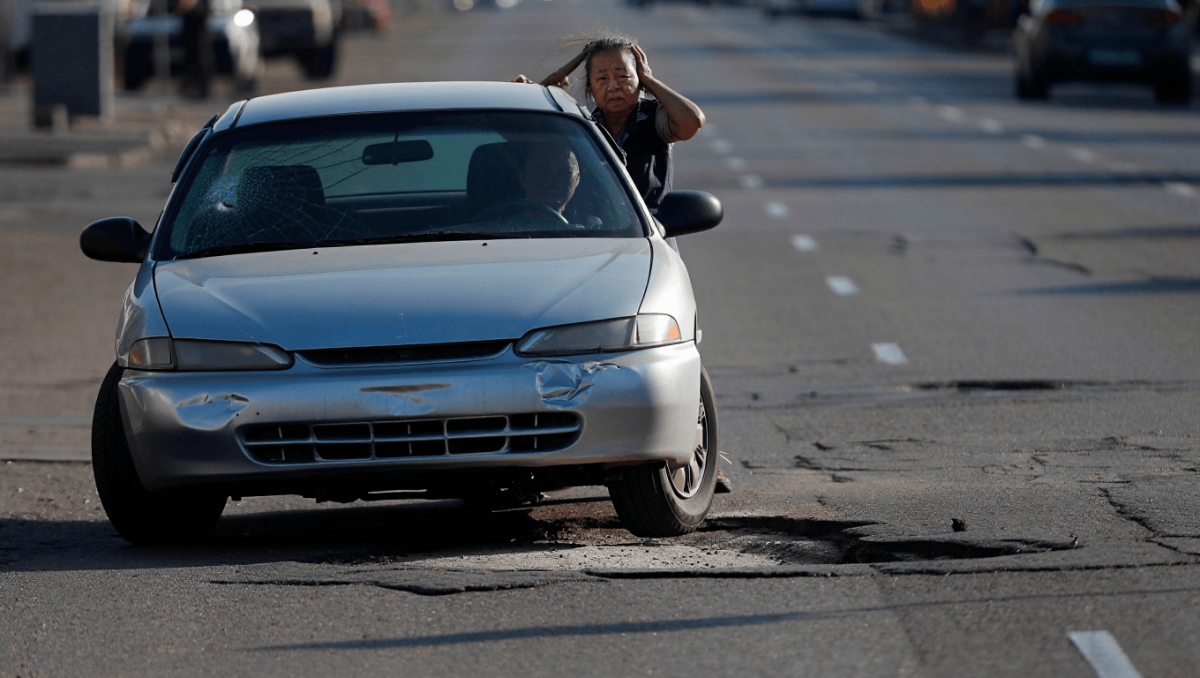
New figures obtained through Freedom of Information requests show that most motorists who seek compensation after hitting potholes are turned down — a reality that underlines how stretched road maintenance budgets and legal thresholds leave drivers unlikely to recoup repair bills. The data also points to sharp variation between councils and a growing tide of claims that local authorities are struggling to absorb.
Responses from 147 of the 207 local authorities contacted revealed that, between April 2020 and March 2025, only around a quarter of claims for pothole damage were paid. Over that five-year span those councils recorded roughly 146,000 claims and authorised payments totalling about £13.5 million.
There is wide disparity in outcomes. One council reported paying out more than £1 million over the period — accounting for around seven in every ten claims it received — while others recorded single-digit payout rates. This patchwork of results reflects differing local processes, funding levels and how strictly councils apply the legal test for liability.
Joan Mir leaves Honda after being kept in the dark about his MotoGP future
Lewis Hamilton Ferrari switch could derail Oliver Bearman: Coulthard warns
Motorists who lodge a complaint must do more than show their car was damaged. To succeed, claimants usually have to establish three things: that the road defect caused the damage, that repairs were necessary and costly, and crucially, that the highway authority was negligent — in other words it knew, or ought to have known, about the fault and failed to act. If a council can demonstrate it had no reasonable chance to learn of the pothole, it generally avoids responsibility.
The rise in claims is striking. Research by the RAC shows the number of pothole claims nearly doubled in three years, from 27,731 in 2021 to 53,015 in 2024 — a 91 per cent increase. The motoring organisation says the surge reflects the scale of work needed to bring roads back to an acceptable condition.
Industry estimates underline the scale of the problem. The Asphalt Industry Alliance’s latest ALARM report puts the one-off bill to repair deteriorating roads in England and Wales at more than £18.6 billion. Central government has allocated £1.6 billion for local highway maintenance this year, rising to an expected £2 billion annually by the end of the decade, with new rules forcing councils to demonstrate how the money is spent or face reductions.
What the numbers mean for drivers
Practical consequences are immediate: most people who damage a vehicle on a pothole will not receive compensation, and where payments are made they tend to be concentrated in a minority of councils.
- Payout rate (2020–2025): about 24% of claims approved, on average
- Total claims recorded: c. 146,000 across 147 responding councils
- Total paid: roughly £13.5 million
- Highest local spend: one council paid just over £1 million (around a 71% approval rate)
- Lowest recorded approval rate: as little as 5% in some areas
- Claims growth: 91% increase in three years (27,731 → 53,015, 2021–2024)
- Estimated repair backlog: more than £18.6 billion to fix roads in England and Wales
- Government funding: £1.6bn in 2026, rising to £2bn by the end of the decade
For drivers considering a claim, it helps to act quickly: photograph the defect and damage, get a repair estimate, and report the pothole to the local authority as soon as possible. Still, even well-documented claims can fail if the council can show it had not been aware of the hazard.
Ultimately, experts warn that while rising central funding is welcome, it will take sustained investment and better record-keeping by councils to reduce the number of damaged vehicles and the litany of rejected claims. Until then, the burden of proof will remain the most significant obstacle for motorists seeking compensation.