Show summary Hide summary
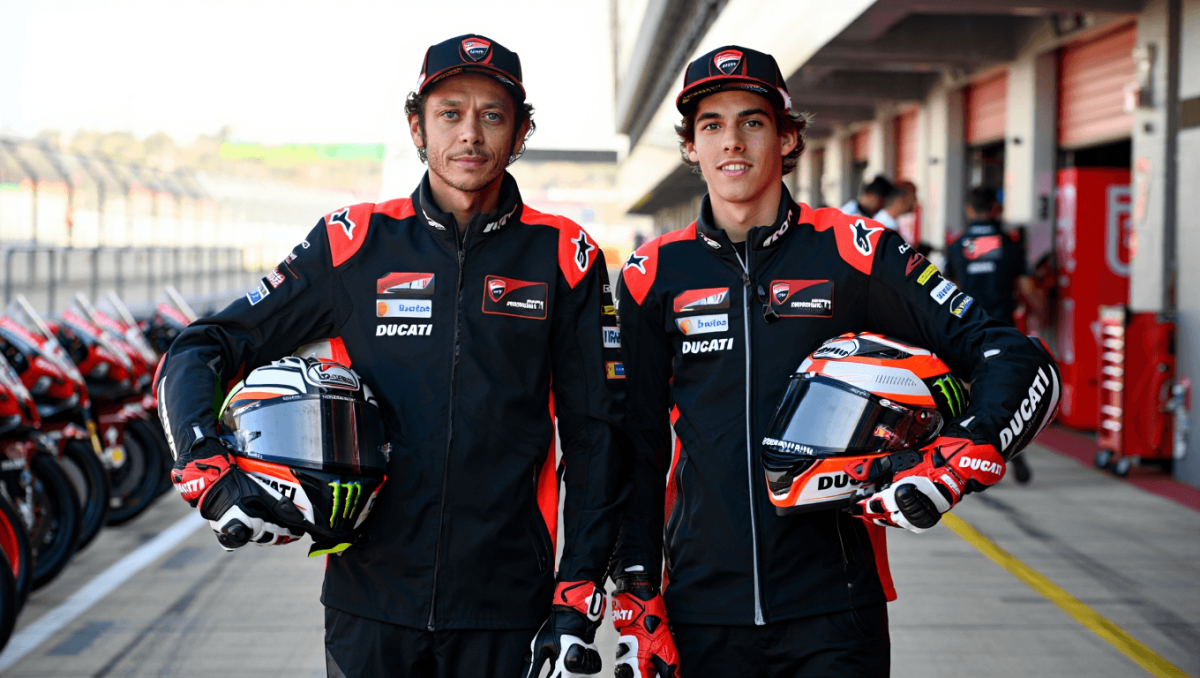
Valentino Rossi has urged Ducati to match the intensity of Francesco Bagnaia’s push to rediscover winning form as the 2026 MotoGP season progresses — a matter of immediate consequence after the Italian manufacturer revealed a revised line-up for 2027. With Bagnaia fighting to reverse a dip in performance and Ducati already linked to Pedro Acosta, the next few races will be decisive for both rider and factory.
Rossi: Bagnaia is working hard, Ducati must respond
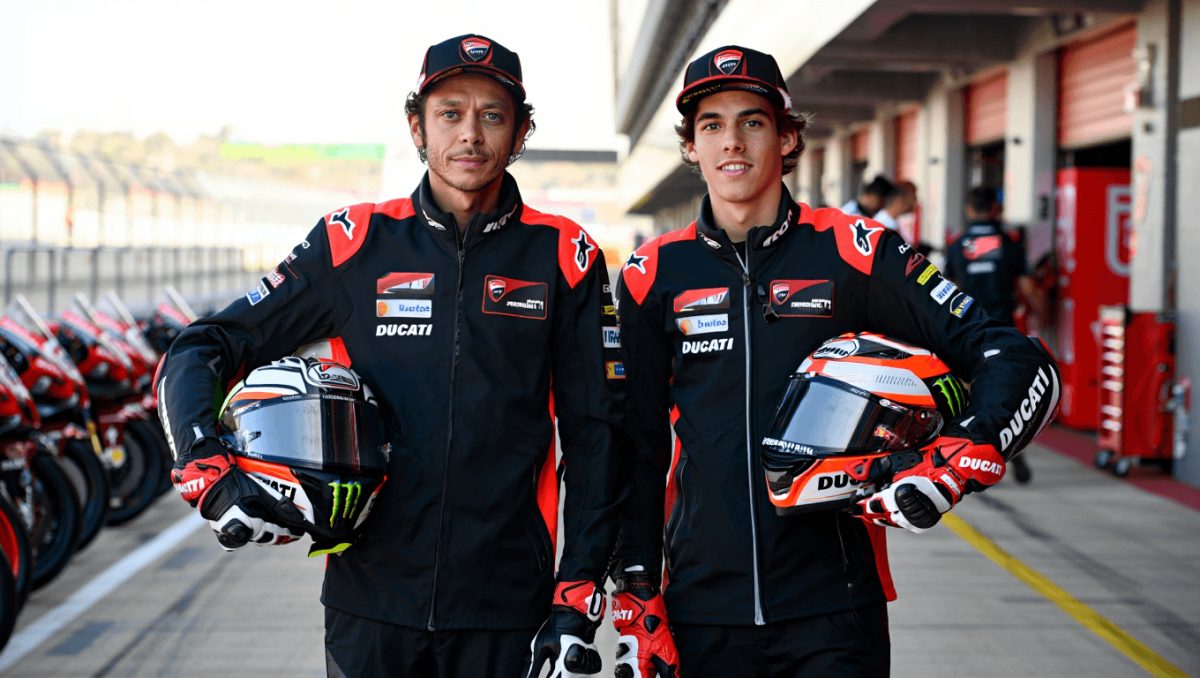
Rossi, who works closely with riders at the VR46 operation, says he has seen Bagnaia put significant effort into his comeback. The nine‑time world champion believes the rider’s determination should be mirrored by Ducati’s engineering and race‑time support if the partnership is to end competitively.
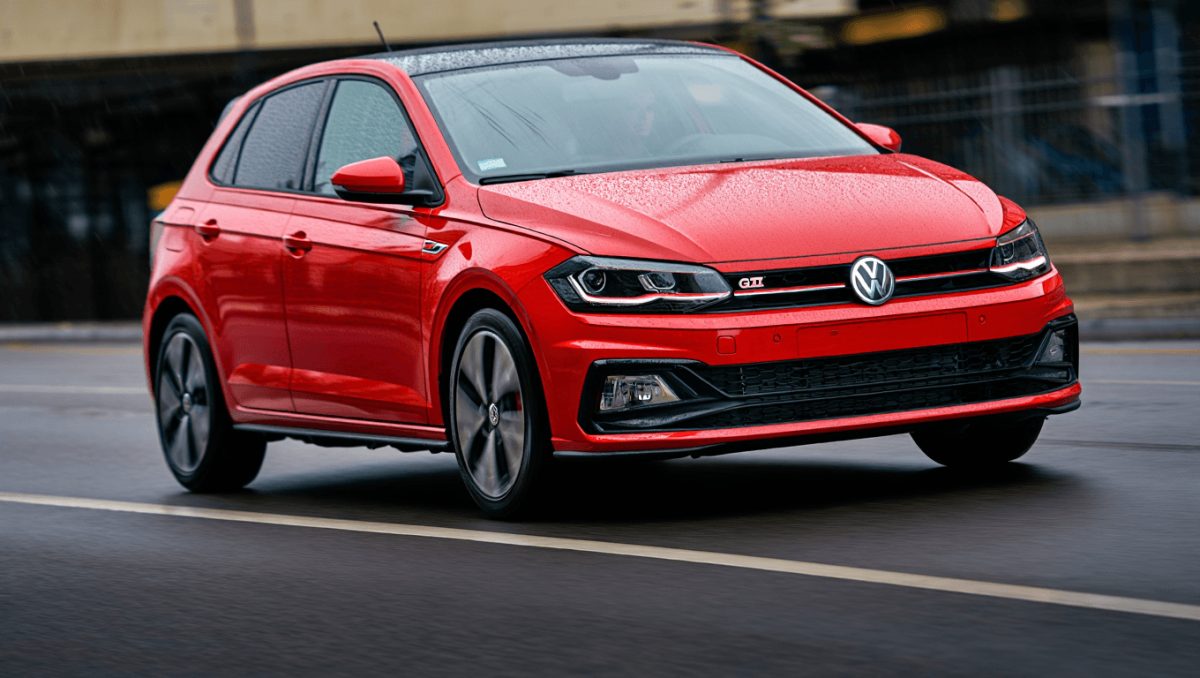
Polo GTI 223bhp sparks debate over VW’s iconic badge
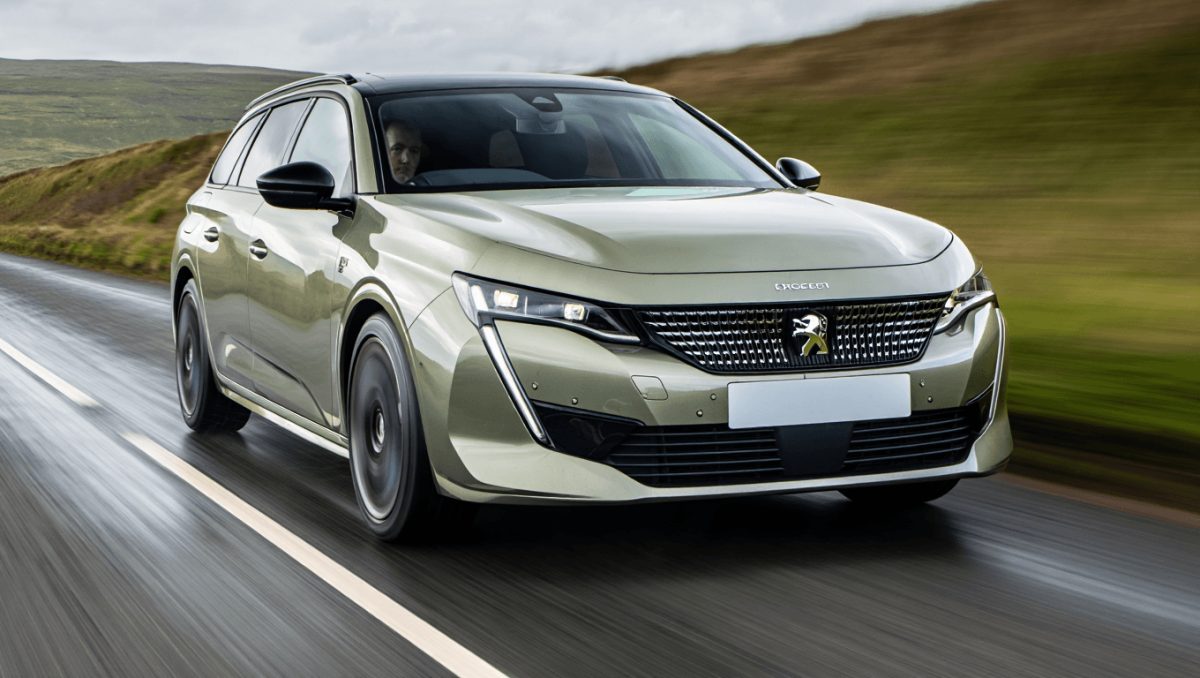
Peugeot 408 facelift lands in UK: prices and equipment confirmed
Rossi pointed to Bagnaia’s pace at Le Mans as evidence that the package remains capable: the Ducati rider secured pole, showed strong race speed and finished second in the Sprint — yet a poor start and a brake failure in the main race robbed him of a potential victory. Rossi warned that, despite Bagnaia likely leaving the factory squad next year, he hopes Ducati will invest as much energy into restoring the rider’s results as Bagnaia is investing in himself.
What went wrong and why it matters now
Bagnaia dominated Ducati’s line‑up earlier in the decade, winning two MotoGP titles and amassing more than 30 grands prix victories aboard the Desmosedici. But the start of 2025 marked a turning point: friction emerged between rider and manufacturer amid an uneven run of results.
That tension fed into Ducati’s decision to reshape its factory pairing for 2027, with Pedro Acosta already announced to join and partner Marc Márquez. The move tightens the clock on Bagnaia: if Ducati treats 2026 as a stopgap year, Bagnaia risks leaving the factory with momentum lost — yet he remains central to Ducati’s hopes while Márquez battles injury in 2026.
Bagnaia, for his part, rejects the idea that the factory has stepped back. He says the team is working on several avenues to recover a stable base set‑up for the bike — an issue he contrasts with the performance enjoyed by other riders such as Fabio Di Giannantonio — and insists Ducati’s technical commitment is present, even if fixes are incremental.
- Short‑term stakes: Bagnaia needs consistent podiums and wins to reassert himself at Ducati and preserve market value ahead of 2027.
- For Ducati: balancing development for the current season while integrating Acosta into future plans risks fragmenting attention and resources.
- Championship picture: with Aprilia emerging as a benchmark and Márquez sidelined by injuries in 2026, Bagnaia’s form could shape the title fight.
- Technical challenge: finding a reliable base set‑up for the Desmosedici remains the priority in engineers’ workbooks.
Two narratives, one paddock
The story unfolding around Bagnaia is both sporting and contractual. From a pure results perspective, the Le Mans weekend offered encouraging moments — single‑lap speed and race pace — alongside reminders of persistent fragilities: starts, reliability and braking stability.
Off the track, the confirmed arrival of Acosta for 2027 has been interpreted by some as a cooling of the factory’s long‑term commitment to Bagnaia. Rossi suggested relations had chilled after last year’s problems, while Bagnaia emphasised that inside the factory there is ongoing work to address the bike’s basics.
Whatever the truth inside Borgo Panigale, the implication is clear: unless both rider and manufacturer align their efforts swiftly, the next phase of Bagnaia’s career may be defined more by transition than by triumph.
What to watch next
Key indicators over the coming rounds will be straightforward: improved race starts, pace over race distance without mechanical intervention and quicker progress towards a stable set‑up. If those boxes are ticked, Bagnaia can realistically fight at the front again; if not, Ducati’s 2027 plans may look ever more prescient.
Either way, the situation has immediate consequences for the championship battle and for how MotoGP’s top teams allocate their resources between current success and future line‑ups.