Show summary Hide summary
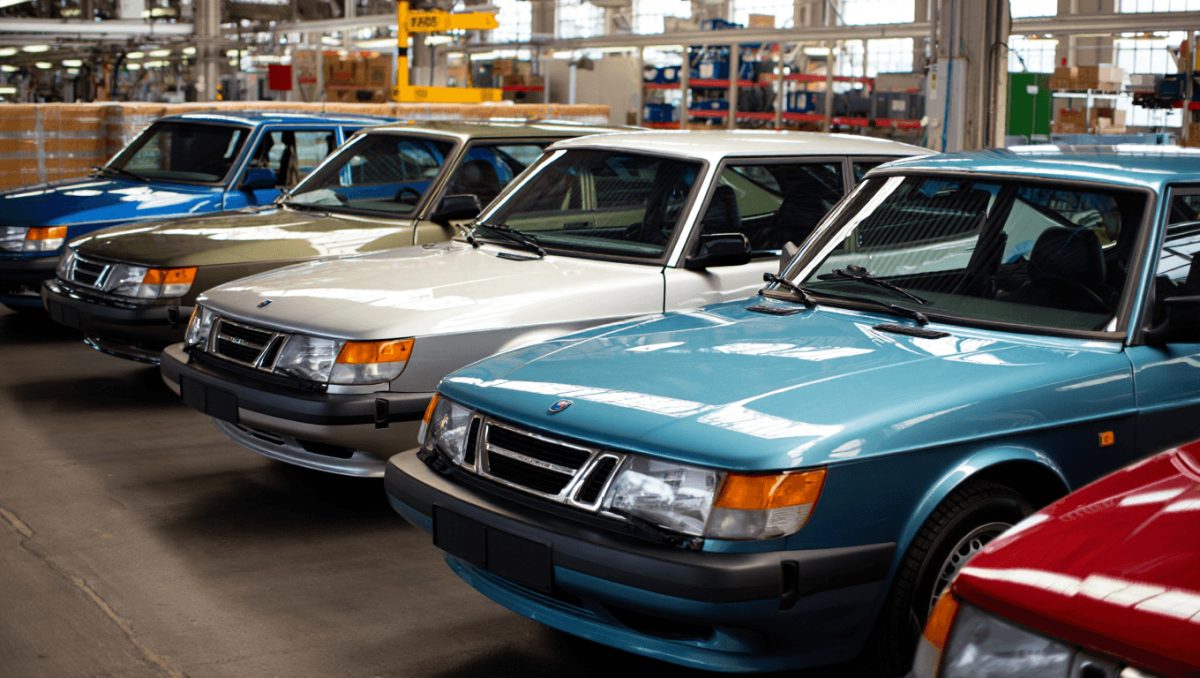
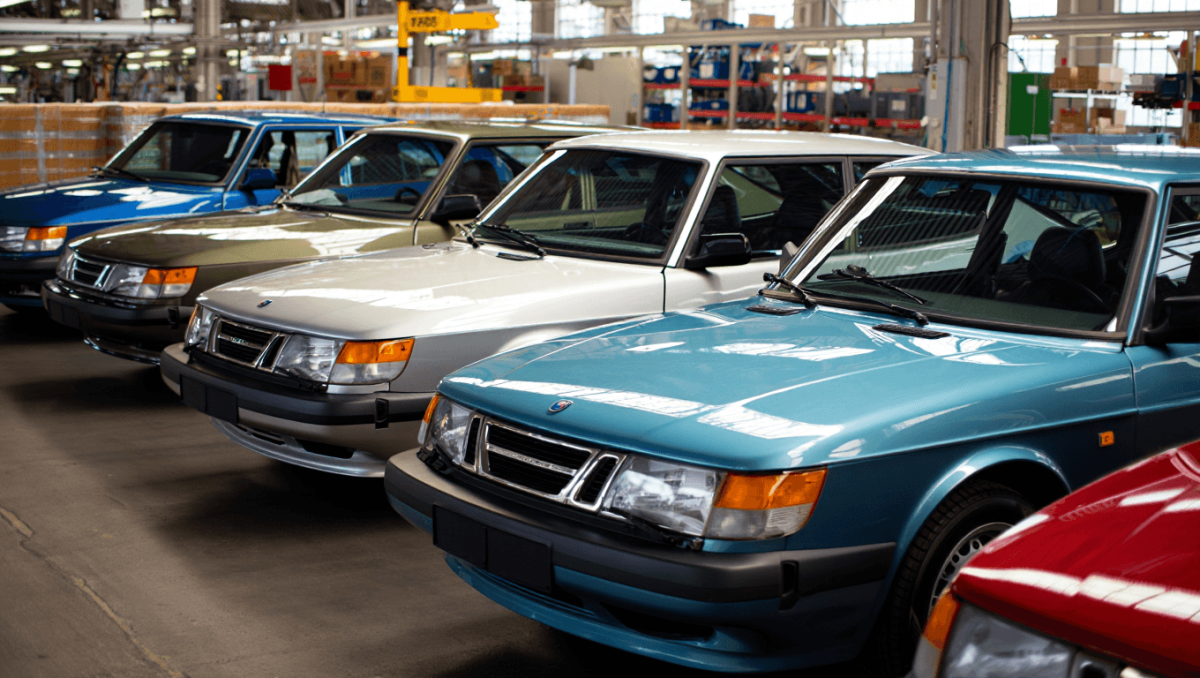
A small fleet of Saab 9‑3 prototypes held at the Trollhättan factory is due to be sold at auction later this month — and, crucially for collectors, several of the cars will be offered with no reserve. The online catalogue goes live on 21 May, with a physical sale at the old NEVS plant on 30 May, giving Saab enthusiasts a rare chance to own some of the marque’s final production-era machines.
What’s on the block
The cars belong to NEVS (National Electric Vehicle Sweden) and include a mix of electrified prototypes and pre-production models from the company’s attempt to revive manufacturing in 2014. They range from road‑trialled development cars to more experimental projects that never reached series production.
Saab’s final cars from Trollhättan factory to go under the hammer
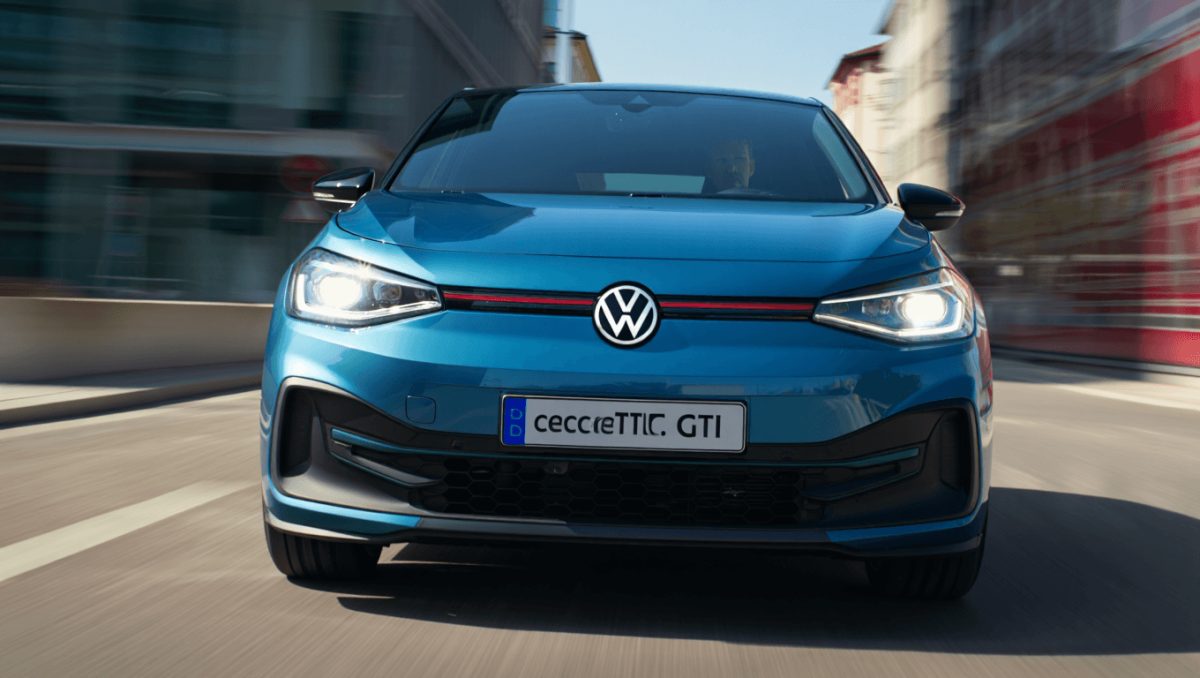
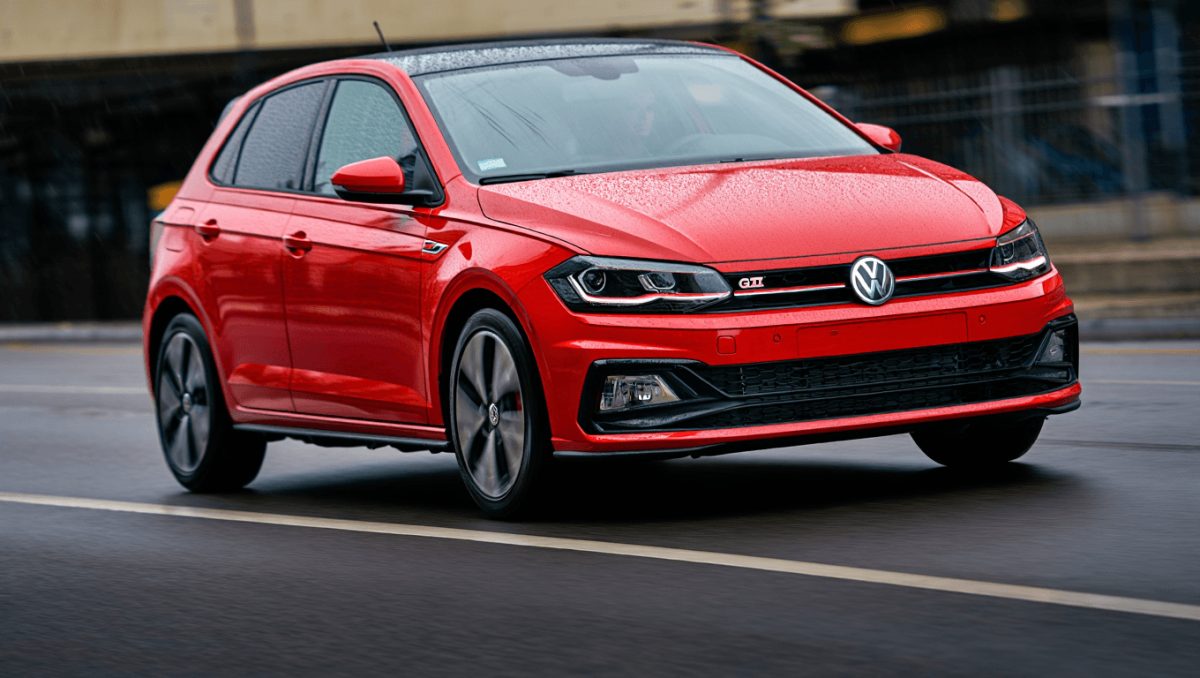
Volkswagen ID. Polo GTI revealed: first electric GTI goes on sale
- Electric 9‑3 (China-built) — developed in Trollhättan and showing more than 20,000 miles on the clock.
- All‑wheel‑drive EV with a rare layout: four in‑wheel motors, reminiscent of the experimental Emily GT concept.
- An EV fitted with a petrol range‑extender — an uncommon hybrid approach for late Saab-era prototypes.
- An electrified 9‑3 equipped with an array of autonomous sensors, including GPS, lidar and multiple cameras.
- Three pre‑production 9‑3s from NEVS’s 2014 restart effort — among the very last Saabs assembled in Trollhättan.
Why this matters now
For collectors, the sale presents both a sentimental and pragmatic moment. These are not showroom cars: several prototypes carry development mileage or unique engineering layouts that could be valuable to museums, restorers and specialist workshops. The fact the vehicles are being sold without reserve raises the possibility of significant bargains — but it also means provenance, condition and paperwork will be decisive for any buyer.
From a cultural perspective, the dispersal of these last Trollhättan‑built Saabs closes a chapter in Sweden’s automotive history. NEVS’s chief executive, Nina Selander, framed the sale as a way to ensure the final examples leave the factory in appropriate hands, reflecting the company’s wish to honour the site’s legacy rather than keep the cars in storage indefinitely.
Practical details for interested buyers
The lots will be listed on Klaravik’s platform on 21 May; the in‑person event at the Trollhättan factory is scheduled for 30 May. Organisers say members of the public may attend the factory sale free of charge to inspect the cars — a likely boon for Saab clubs and anyone researching a purchase.
Potential bidders should be ready to assess each car carefully: prototype cars often have bespoke components, incomplete paperwork or non‑standard electrics that can complicate registration and restoration. Anyone considering a bid would be wise to request service histories and, where possible, arrange independent inspections before the sale.
What to watch for
Beyond individual vehicle condition, buyers should note:
- Availability of documentation and ownership records — crucial for historic value and legal transfer.
- Unique parts and electronics — some prototype systems may be one‑off and hard to source.
- Logistics: transporting low‑volume prototypes with unfamiliar powertrains can require specialist hauliers.
The auction closes a distinctive era for Saab-influenced engineering: these cars are at once development artefacts and the last physical ties to a long-running Swedish carmaking story. Whether they become workshop projects, museum exhibits or cherished classics, the sale is likely to attract attention from a wide swathe of automotive enthusiasts.