Show summary Hide summary
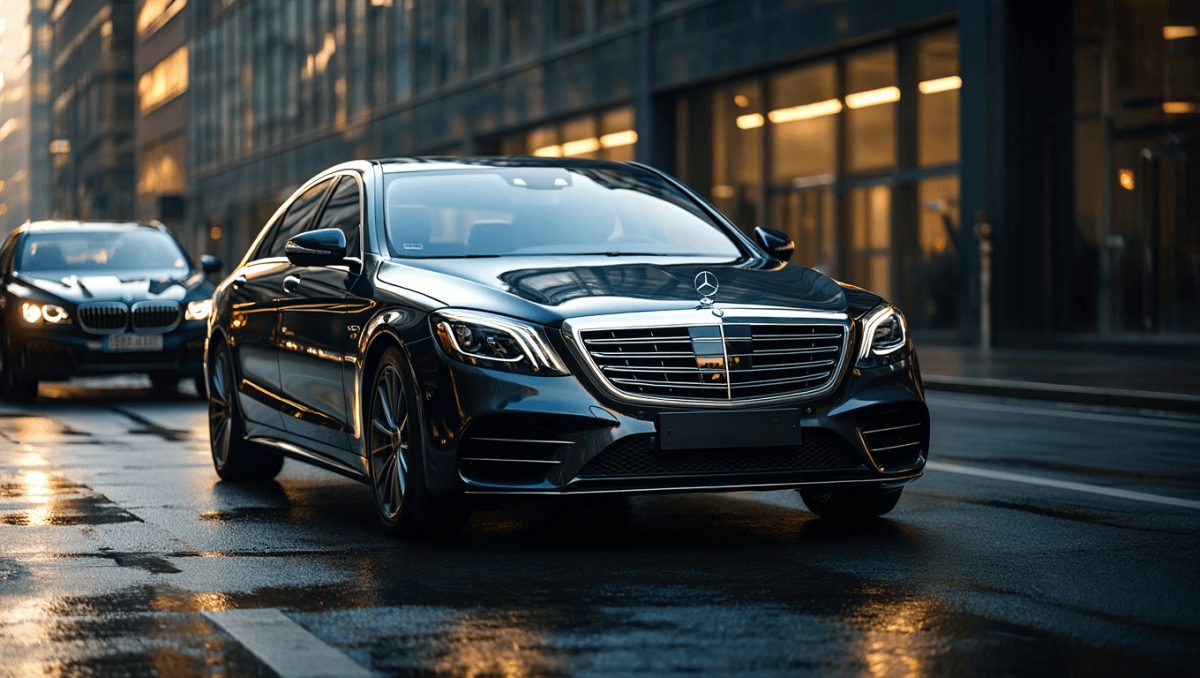
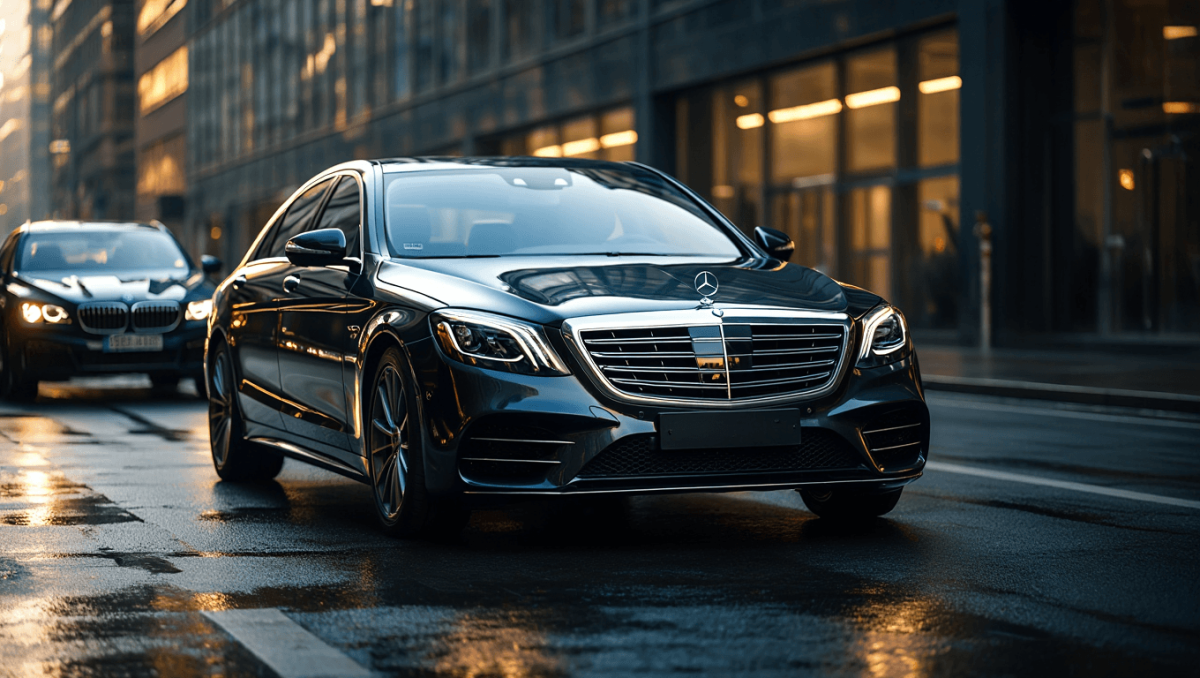
Mercedes-Benz has given its flagship S-class a substantial mid‑life overhaul as the marque marks 140 years, aiming to stay ahead of an increasingly bold BMW rival. The changes are many but subtle — under the skin there are new engines, fresh electronics and a stronger push toward advanced driver assistance that matter for owners and fleet buyers today.
Powertrain and engineering
One of the most talked‑about additions is a new V8, but it isn’t what many expect. Mercedes has adopted a flat‑plane V8 for the first time in an S-class, a configuration more commonly associated with high‑revving sports cars. The unit promises sharper responses and higher rev limits while engineers have taken pains to retain the familiar AMG V8 character at low revs.
That trick is achieved mechanically rather than electronically: the new powerplant uses an actuator to offset the crankshaft during start‑up and low engine speeds, mimicking the uneven exhaust pulses of a traditional cross‑plane V8 before reverting to its flat‑plane geometry at higher revs. The headline figure for the top V8 is around 530bhp, and Mercedes has also optimised airflow inside the engine to improve combustion efficiency.
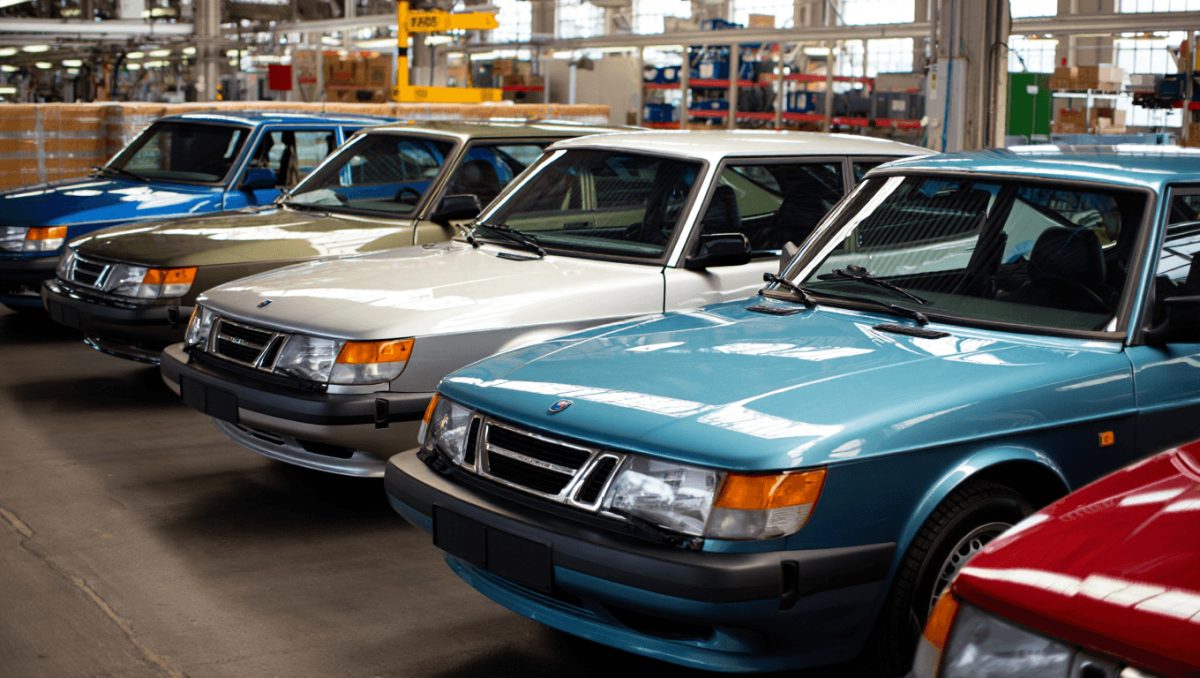
Saab’s final cars from Trollhättan factory to go under the hammer
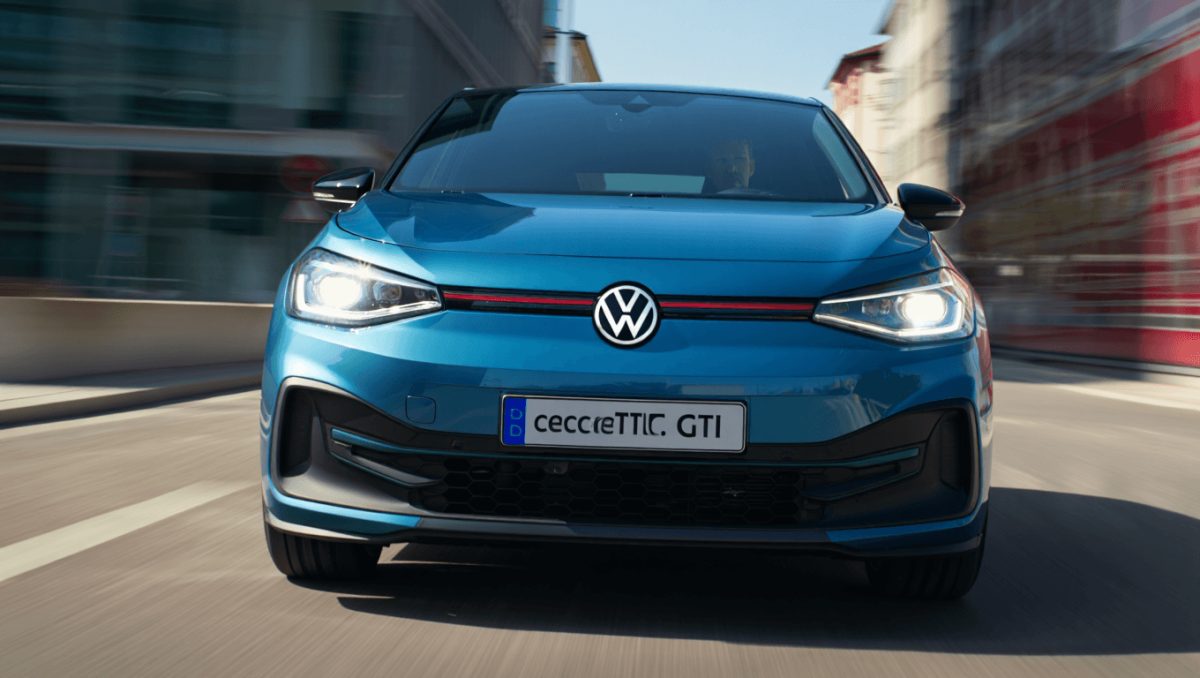
Volkswagen ID. Polo GTI revealed: first electric GTI goes on sale
For the UK market the line‑up is more focused on advanced six‑cylinder units. Buyers will find a range of 3.0‑litre straight‑sixes: mild‑hybrid diesels and petrols, plug‑in hybrids and the most powerful plug‑assisted S580e which combines an uprated 443bhp straight‑six with electric assistance for a strong total output.
What’s new in electronics
Every S-class now carries a centralised, water‑cooled processing unit supplied by NVIDIA. Mercedes calls it a ‘supercomputer’ because it aggregates data from radars, cameras and ultrasonic sensors into a single system rather than relying on many distributed controllers.
- NVIDIA‑powered central computer handling sensor fusion and predictive functions
- Four long‑range radars, multiple cameras and 12 ultrasonic sensors feeding the system
- Platform capable of enabling Level 4 driving features via MB.Drive Assist Pro (planned rollout in Europe)
- Improved suspension control that can react to road imperfections ahead through connected vehicle data
The electronic architecture is a clear strategic move: it reduces latency between sensors and actuators, and it lays the groundwork for more advanced automated driving functions in future software updates — a selling point as regulation and consumer expectation around autonomy evolve.
On the road: pace, ride and handling
Irrespective of powertrain, the new S-class aims to be effortlessly swift rather than aggressively sporty. Mild‑hybrid systems fill torque gaps and plug‑in versions supply instant off‑the‑line performance and useful electric range for daily urban use.
The standard nine‑speed automatic is refined in most conditions, slipping into the background during relaxed cruising. Under heavier demand — especially in lower‑powered variants at speed — it will occasionally hunt for the right ratio more noticeably than you’d expect in this class.
Steering delivers confidence; it’s measured rather than edgy, and the air suspension balances composure with comfort. Rear‑wheel steering is standard at low angles and can be optioned up to greater degrees of articulation, improving both tight manoeuvres and high‑speed lane changes. On Germany’s unrestricted autobahn the S-class felt planted even at its top speed.
Adaptive chassis options such as electrohydraulic E‑Active Body Control add further refinement, particularly over broken surfaces or on twisty roads, though some drivers report the sensation can create a slight disconnect from road feel — a trade‑off for the superior isolation the system provides.
Interior and human‑machine interface
Mercedes has made the cabin more digital with the new MBUX Superscreen array stretching behind a single piece of glass. The physical impact is dramatic, but the reception is mixed: while the displays are technically impressive, the layout and menu structure feel less intuitive than rivals’ systems and, to some, detract from the sense of bespoke luxury the S-class traditionally delivers.
Rear passengers, however, remain the S-class’s strong suit. The back seats offer exceptional comfort — heating, cooling, extensive massage functions and even a lie‑flat option in long versions. High‑quality materials and generous space ensure the cabin remains a subdued, quiet environment for long journeys.
There are minor disappointments: some trim pieces and switchgear lack the solidity expected at this price point, producing creaks or flex under use. Those details may not bother all buyers, but they detract from an otherwise premium experience.
Price, availability and competition
Mercedes has priced the S‑class at a premium. The entry S350d starts above £100,000 in the UK, with long‑wheelbase plug‑in and petrol variants stretching the range. Notably, the new flat‑plane V8 S580 (and its non‑hybrid V8 kin) will not be offered in the UK initially, though the plug‑assisted S580e will be sold here.
BMW’s redesigned 7‑series — including a high‑spec electric i7 — is imminent and represents the most direct threat, with fresh styling, interior changes and competitive pricing expected to narrow the gap. Mercedes continues to position the S‑class as the choice for buyers who prioritise traditional limousine qualities: rear‑seat comfort, a hushed cabin and a layered approach to tech and powertrains.
Key specs — Mercedes‑Benz S‑class S580e (UK)
| Powertrain | 3.0‑litre twin‑turbo straight‑six plus electric motor |
| Combined output | 577bhp |
| Peak torque | 553lb ft |
| Kerb weight | ≈2618kg |
| 0–62mph | About 4.4 seconds |
| Top speed | 155mph |
| UK price (from) | £122,425 |
Verdict: the revised S‑class is an evolutionary rather than revolutionary step. Its engineering advances — notably the novel V8 and the centralised computing platform — underline Mercedes’s intent to keep the S‑class at the cutting edge of luxury and driver assistance. Yet some choices, especially the heavy digital focus inside the cabin, risk undermining the tactile, refined ambience that has been the model’s hallmark.
For buyers seeking the quietest, most comfortable rear‑seat experience and a clear path to more advanced automated driving, the S‑class remains a leading contender. For those who prize the freshest interior design and interface logic, BMW’s new 7‑series could tip the balance when it arrives.