Show summary Hide summary
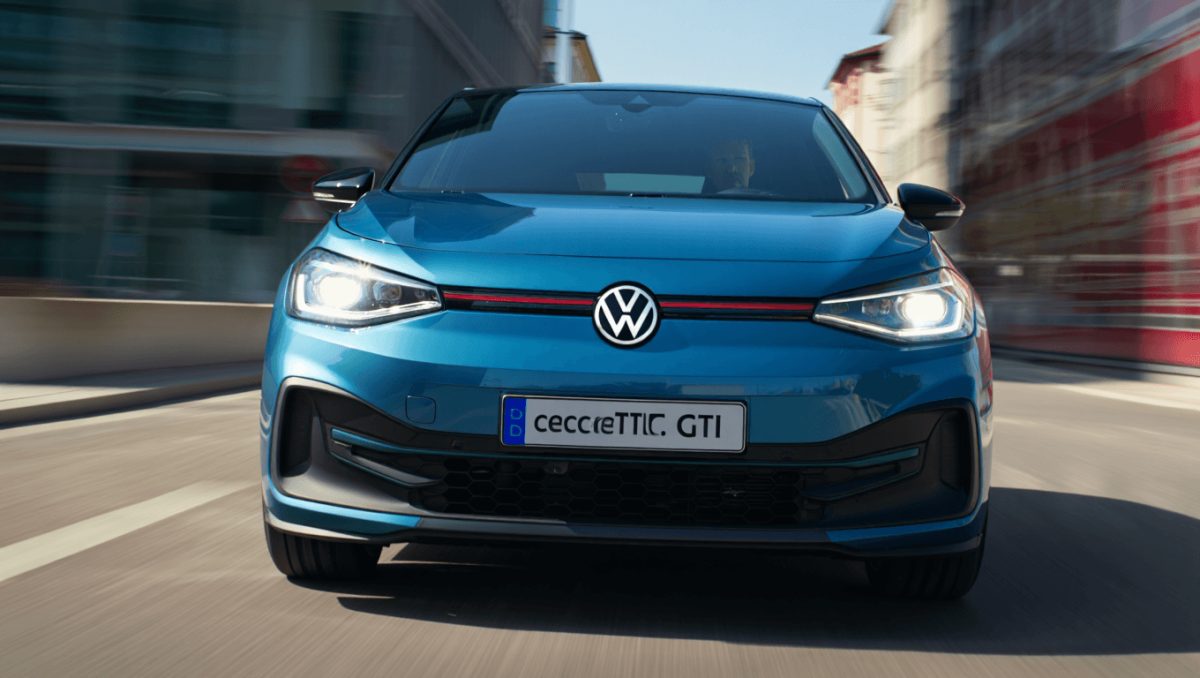
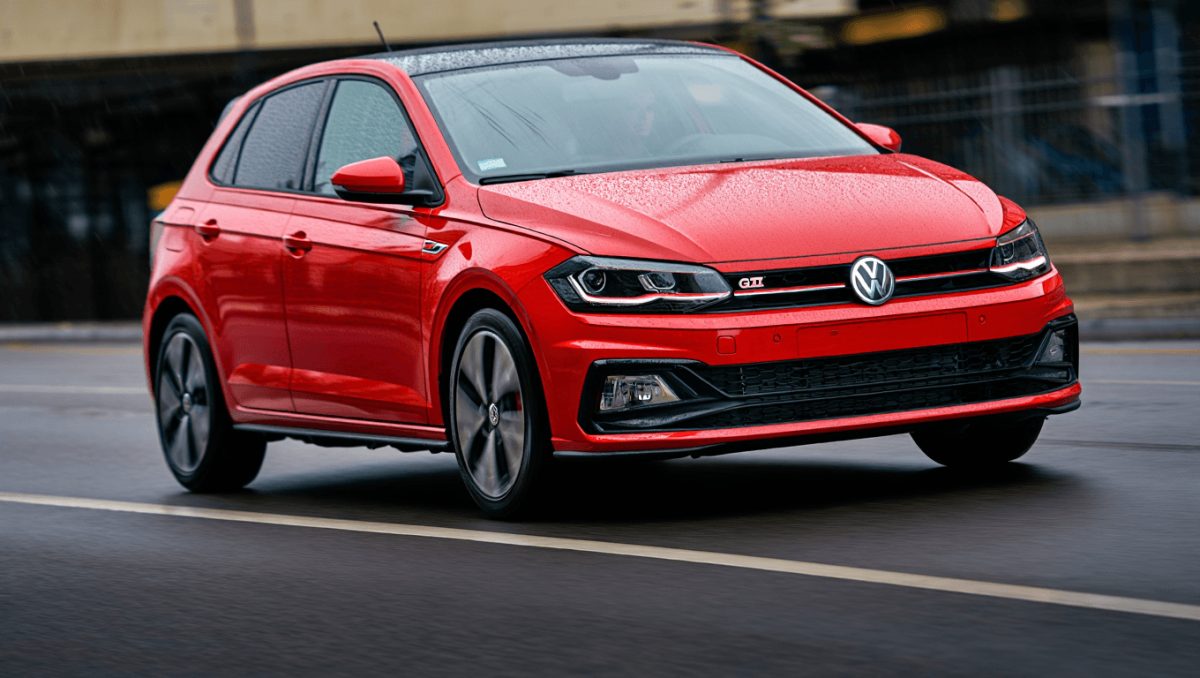
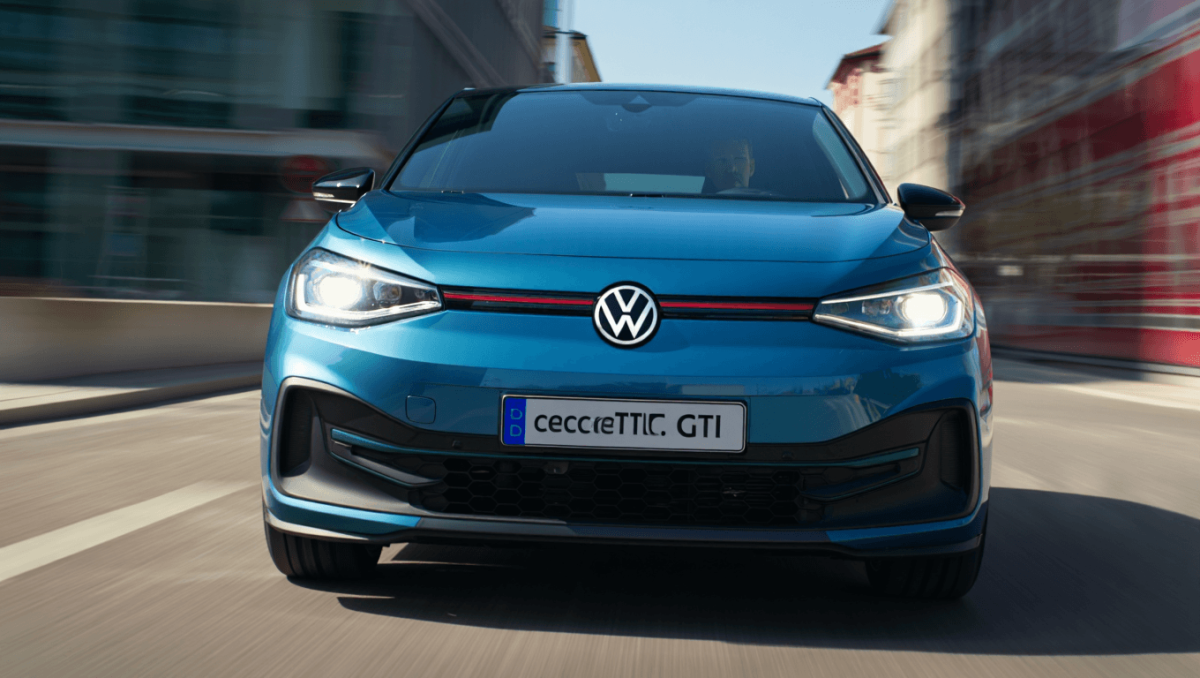
Volkswagen has unveiled the first fully electric car to wear the GTI badge, signalling a significant moment for a nameplate long associated with small‑car performance. The ID. Polo GTI arrives in the UK in early 2027 and, while it isn’t about headline top speeds, it redefines what “hot hatch” character can mean in an EV era.
Performance with a different focus
Under the bonnet sits Volkswagen’s APP290 motor, tuned to deliver a claimed 223bhp and 290Nm of torque. That propels the Polo GTI to 62mph in 6.8 seconds — quicker than the original Golf GTI from 1976, but not built for high straight‑line velocity: top speed is limited to 109mph.
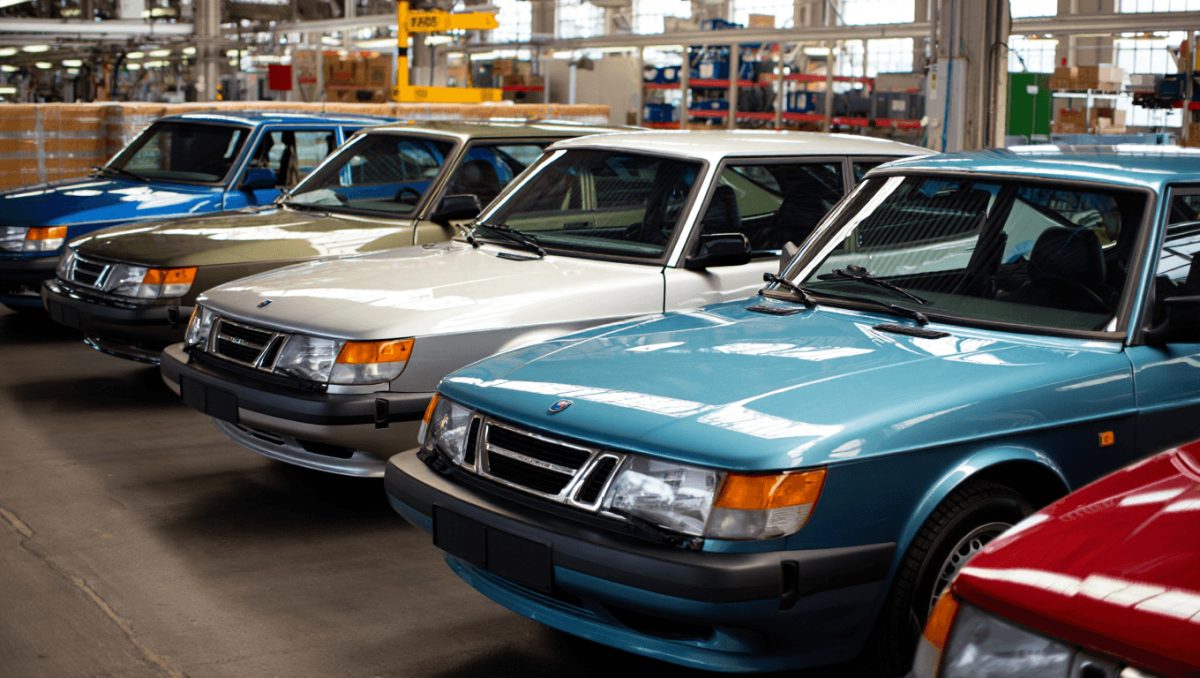
Saab’s final cars from Trollhättan factory to go under the hammer
Volkswagen ID. Polo GTI revealed: first electric GTI goes on sale
Rather than chasing outright power, VW has concentrated on dynamics. Engineers have stiffened the body and fitted a performance‑orientated chassis package that includes adaptive damping via Dynamic Chassis Control (DCC), uprated springs and thicker anti‑roll bars. The aim is to preserve the familiar GTI balance between incisive cornering and everyday comfort.
How VW translates that to the road
The Polo GTI’s setup goes beyond springs and shocks. An electronically controlled locking front differential, working with XDS torque distribution software and the ESC stability system, modulates wheelspin and helps the car turn into corners with greater composure. Drivers also get progressive steering, wheel‑mounted paddles to alter regenerative braking and a one‑pedal driving mode.
Hit the dedicated red GTI button on the steering wheel and the car switches into a sharpened driving profile that unlocks launch control, changes steering and throttle responses, and swaps the driver display for a power‑focussed readout and lap timer. Interior lighting and the ID.Light animations add theatre to the experience; Volkswagen has even included an artificial combustion‑engine sound effect for those who miss aural feedback from petrol engines.
Practicality, range and charging
The ID. Polo GTI shares the same 52kWh NMC battery as other ID. Polo models but sacrifices a little range in favour of its sportier setup: claimed maximum range is about 259 miles, down from 283 miles on a standard Life/Style spec. Fast DC charging tops out at 105kW, with a 10–80% fill taking roughly 24 minutes.
- 0–62mph: 6.8 seconds
- Power: 223bhp
- Torque: 290Nm
- Kerb weight: ~1,540kg
- Battery: 52kWh (NMC)
- Range: ~259 miles WLTP
- Charging: up to 105kW DC (10–80% ≈ 24min)
- Boot capacity: 441 litres
- Length: 4,097mm
Interior and design cues
Inside the GTI nods to its heritage without simply copying the past. Sports seats are trimmed in ArtVelours Eco Soul microfleece with an updated tartan motif and red, arrowhead‑style stitching. A handful of retro touches persist — for instance, a centre cap motif on the optional 19‑inch Wörthersee alloys recalls the Mk1 — but other traditional elements, like a physical “golf ball” gearknob, are absent by necessity.
Externally, the car is visibly sportier than a regular ID. Polo: a reworked bumper and a red grille strip link to GTI DNA, while the front fascia includes a honeycomb panel that aids battery cooling and cabin air conditioning. Volkswagen’s designers say they balanced those styling cues against aerodynamic needs to limit range penalties.
Options, pricing and what it means for buyers
Choice is relatively straightforward: optional extras include a 10‑speaker Harman Kardon audio system, a glass roof and a massage function for the highly adjustable front seats. Colour options cover classic GTI shades alongside contemporary finishes.
UK deliveries are expected from early 2027 with a starting price around £34,000. That positions the ID. Polo GTI as a premium small‑car offering: it offers the sporting feel associated with the GTI badge but asks buyers to accept a modest range trade‑off and a heftier kerb weight compared with combustion predecessors.
Why this matters now: the ID. Polo GTI is a clear signal that mainstream performance badges are being reinterpreted for electrification. For drivers who prioritise handling and driver engagement over raw speed or maximum range, Volkswagen’s first electric GTI could be the blueprint for future hot EVs.