Show summary Hide summary
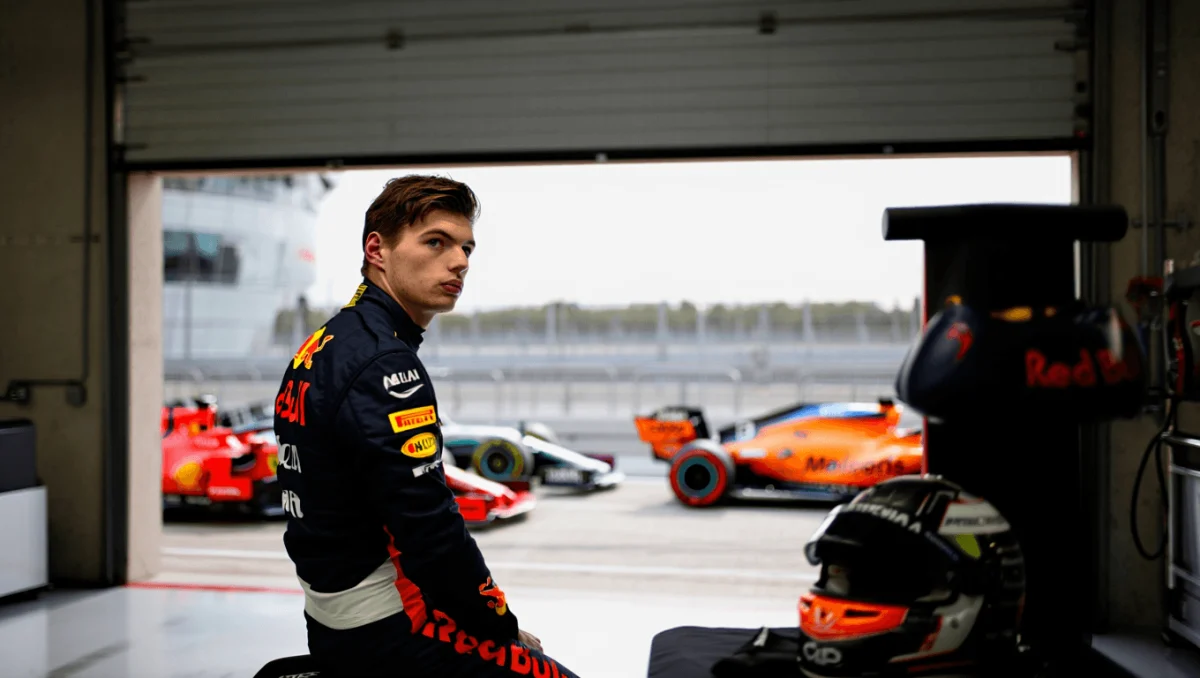
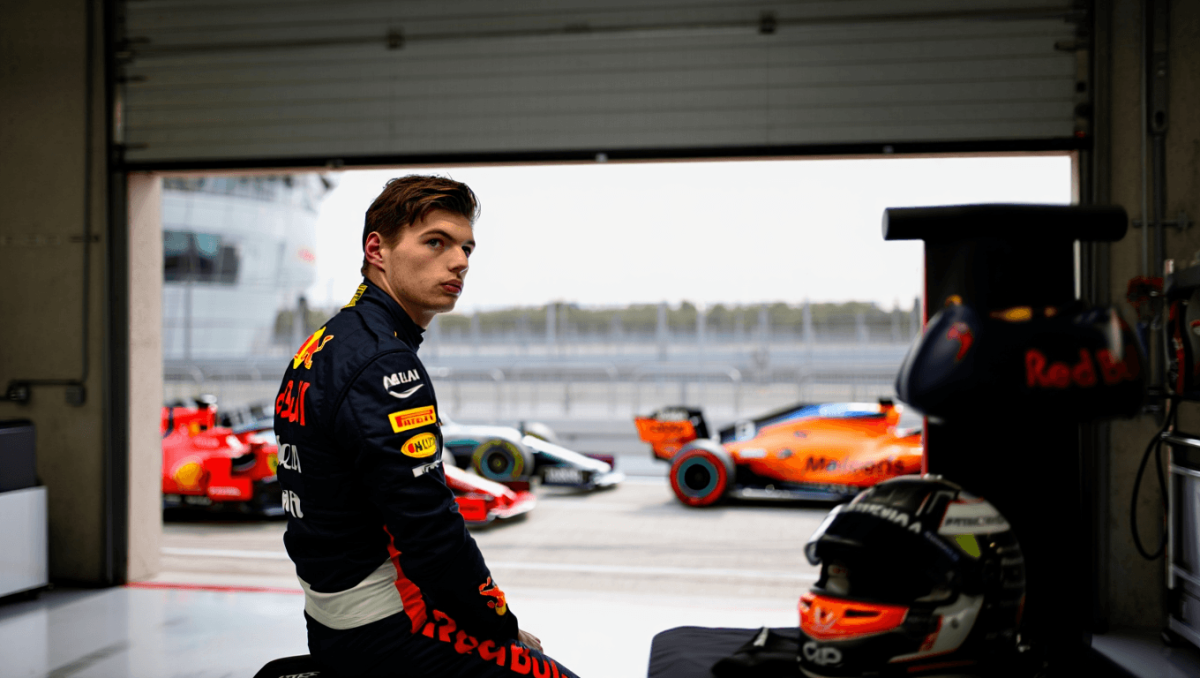
Former Haas boss Guenther Steiner has set out a narrow list of destinations should Max Verstappen ever leave Red Bull — but the real obstacle may be whether any top team is prepared to displace one of its current drivers. The discussion matters now as Verstappen, despite a long-term contract, has publicly questioned how long he wants to continue in Formula 1.
Three realistic landing spots — and the hurdles
Steiner identifies only three teams that could credibly recruit Verstappen: Ferrari, McLaren and Mercedes. Each presents a different set of complications, from contractual commitments to team dynamics.
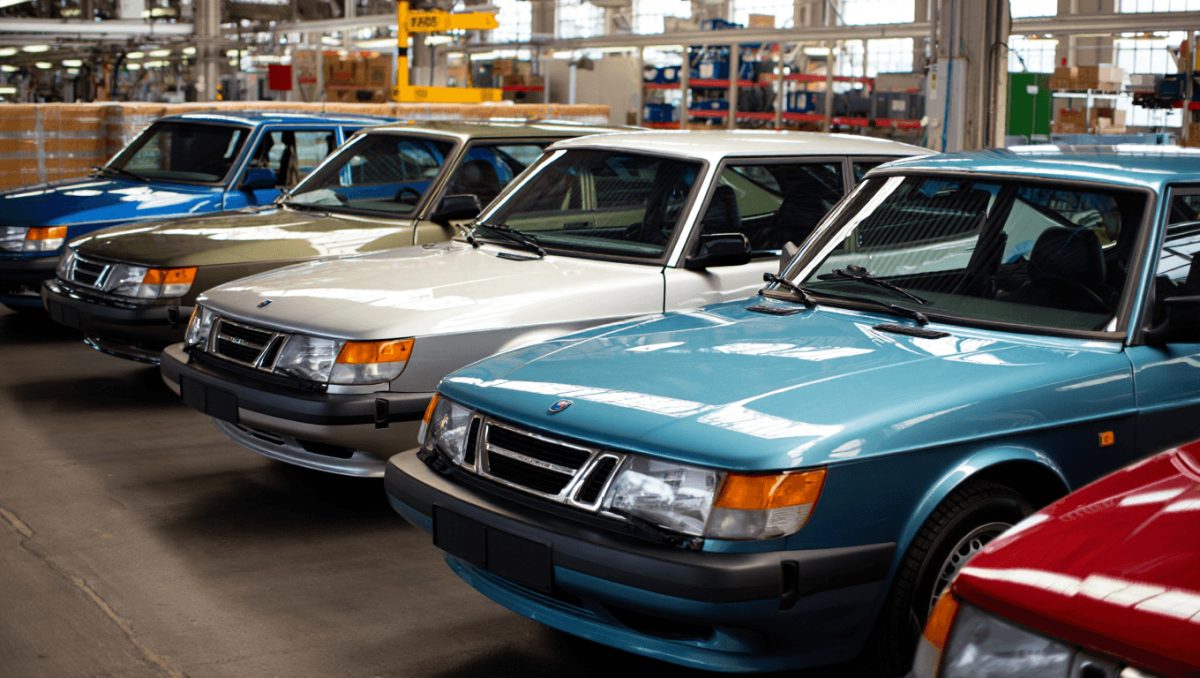
Saab’s final cars from Trollhättan factory to go under the hammer
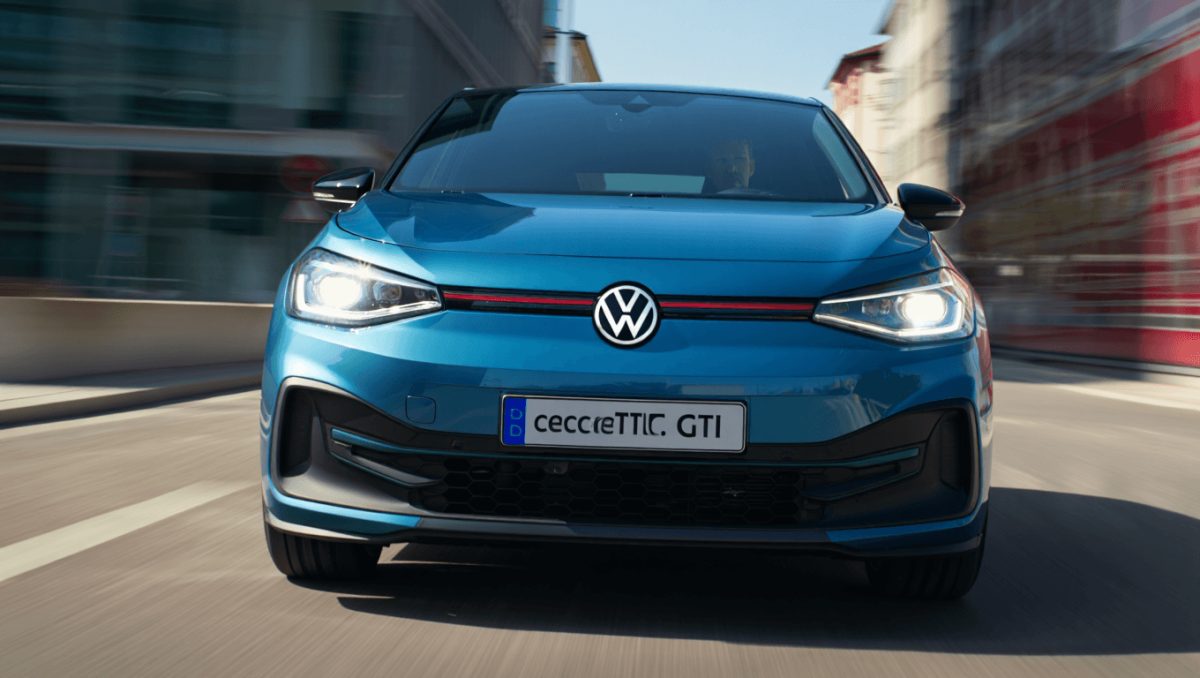
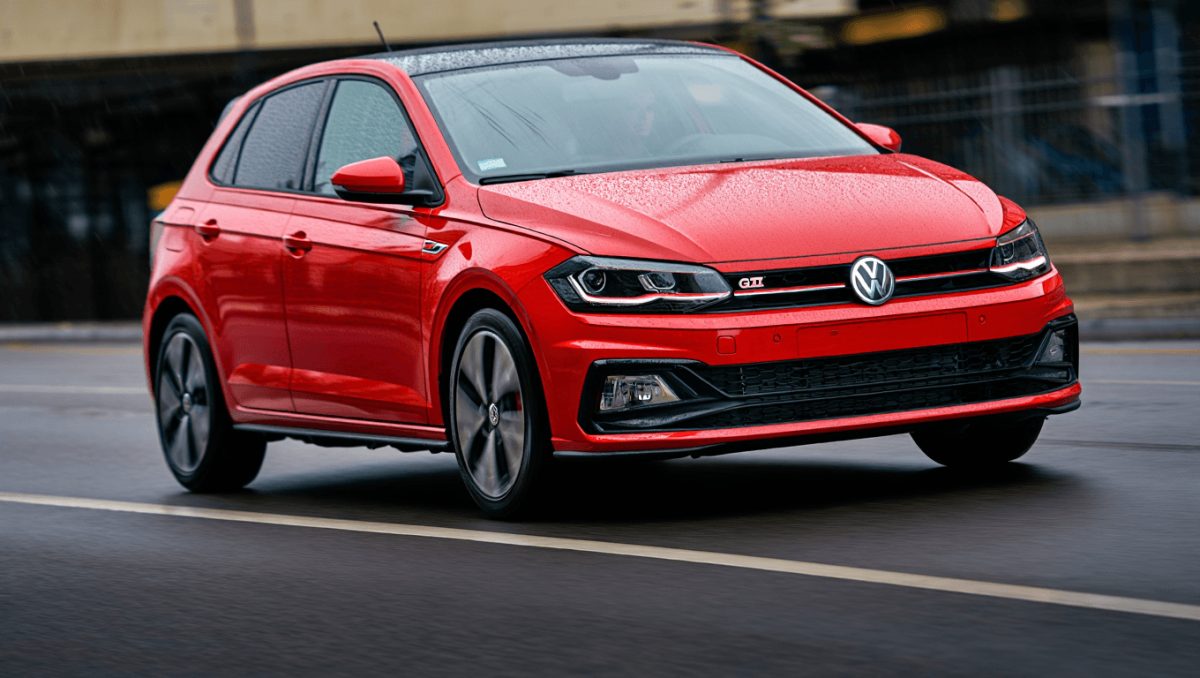
Volkswagen ID. Polo GTI revealed: first electric GTI goes on sale
- Ferrari — Seats appear occupied: Charles Leclerc is signed on for multiple seasons and Lewis Hamilton reportedly holds an option to extend his stay. Replacing either would be a major shake-up.
- McLaren — The Woking team stunned the paddock with recent results and publicly reiterated confidence in its current pairing, making an offer to Verstappen unlikely without a dramatic change.
- Mercedes — Leadership have also dismissed active talks about signing Verstappen and have insisted they are content with their driver line‑up for the foreseeable future.
Why the question is urgent
Verstappen’s situation is unusual because he committed his future to Red Bull with a landmark five‑year deal signed in 2022 that runs through the end of 2028. Yet whispers about his future have persisted, amplified by shifts in team performance and past off‑track controversy at Red Bull. If Verstappen were genuinely open to a move, it would force rivals into a binary choice: reshuffle to create space, or watch an elite talent remain where he is.
Steiner’s point: teams might sacrifice a solid driver
Steiner argues that teams could be willing to make room for a driver of Verstappen’s stature. He points to previous examples in the sport where established drivers were displaced to accommodate bigger-name signings — a reality of F1’s winner-takes-all marketplace.
That calculus depends on the perceived upside: can adding a proven race winner deliver championships and, crucially, commercial benefits that justify breaking up a functioning pairing?
What the teams say publicly
Both McLaren and Mercedes have flatly denied they are preparing to sign Verstappen next season. McLaren’s leadership have expressed satisfaction with their current driver duo, while Mercedes’ management have said there are no active discussions about Verstappen.
Ferrari remains the only team where an opening could theoretically emerge, but even there the situation is complex: Leclerc’s contract ties him to the team for the coming seasons, and Hamilton — should he exercise his reported option — would leave no obvious vacancy.
Verstappen himself: re-evaluating reasons to continue
Beyond transfer rumours, Verstappen has been candid about his state of mind. He has spoken publicly about weighing the demands of a full F1 season against family life and personal happiness, suggesting he is considering all options, including a possible exit from the sport.
His comments have added urgency to team discussions: even if no seat becomes available immediately, the prospect of Verstappen stepping away entirely would reshape midfield and front‑running strategies alike.
What this means for the sport
The potential movements — or the decision to stay put — carry clear consequences. A switch by Verstappen would instantly alter title calculations and sponsor interest; his departure from the grid would leave a high‑profile vacancy in the sport’s competitive and commercial landscape.
For now, the most likely immediate outcome remains continuation at Red Bull: the driver’s contract runs to 2028 and the team retains the resources to keep him competitive. But as insiders and team principals make clear, the paddock is not immune to late, seismic changes.
Key facts at a glance:
- Contract status: Verstappen signed a five‑year deal in 2022 running until the end of 2028.
- Three potential suitors: Ferrari, McLaren, Mercedes — each faces practical barriers to signing him.
- Immediate choices: Remain with Red Bull, move to another top team if one clears space, or consider retirement from Formula 1.