Show summary Hide summary
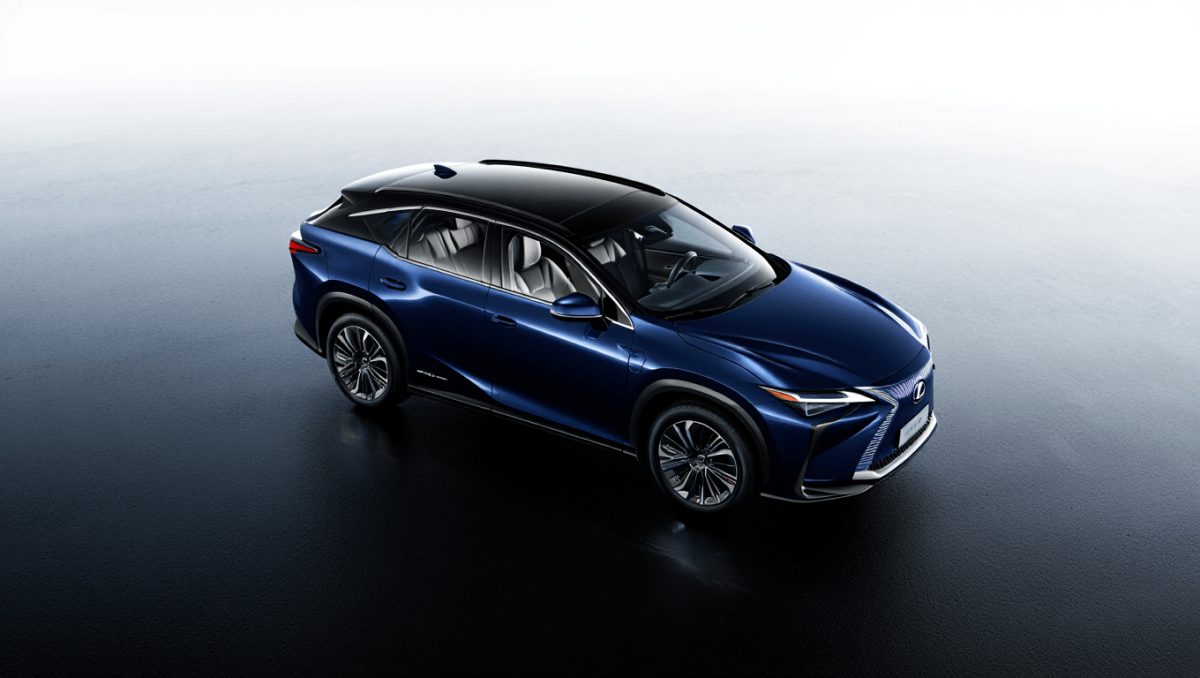
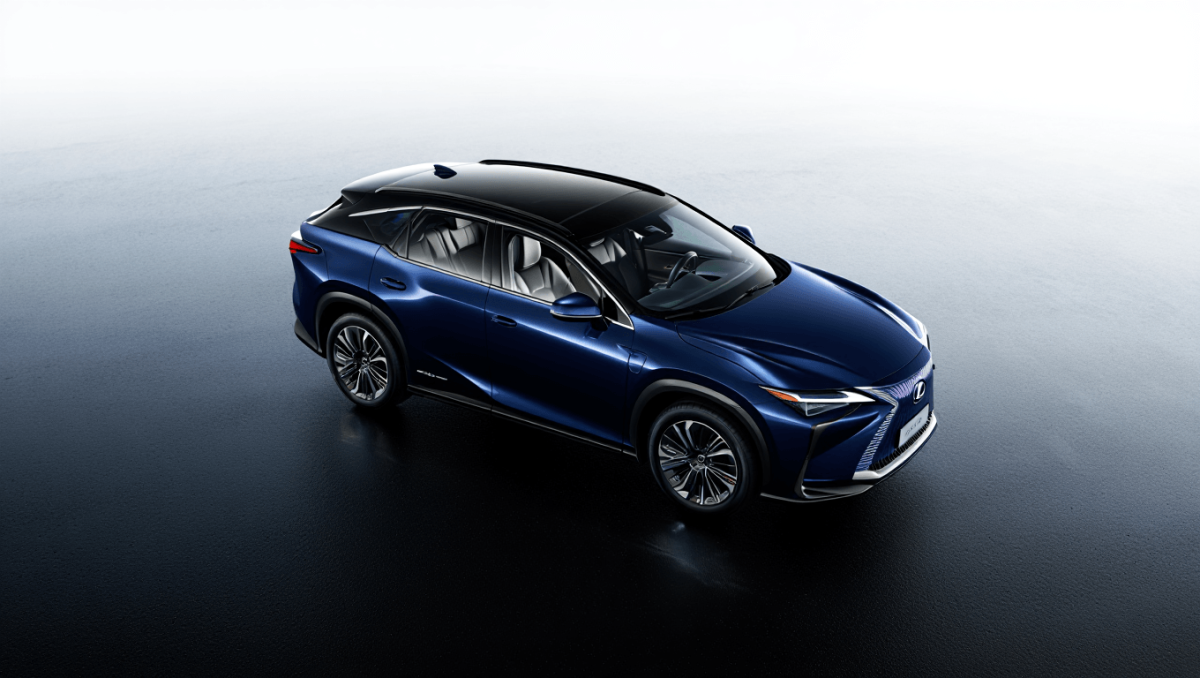
Lexus has unveiled a new three‑row electric SUV, and alongside practical details such as optional rear‑wheel steering and a lounge‑style interior it dropped a cheeky surprise: the cabin can play back the LFA’s V10 soundtrack through its speakers. The move underlines how manufacturers are using sound design to create emotional ties with buyers as EVs grow ever quieter.
Key facts at a glance
- Model: Lexus TZ, three‑row layout with a six‑seat option
- Batteries: 76.96 kWh and 95.82 kWh choices
- Range: Up to about 300 miles (WLTP estimate)
- Drag coefficient: 0.27 for reduced wind noise
- Audio: 21‑speaker Mark Levinson system and an internal LFA V10 sound mode
- Platform: Based on the Toyota Highlander
Lexus unveils six-seat electric SUV: fitted with faux V10 soundtrack
Mini Cooper to get bigger mid-cycle refresh as small-car rivalry intensifies
At the brand presentation Lexus stressed the TZ’s whisper‑quiet cabin — the company’s chief branding executive called it one of the quietest SUV interiors currently available — and then demonstrated why by switching on a reproduced LFA V10 note. If you want to hear it, the company’s launch video contains the clip at around the 18:30 mark.
How Lexus chased silence
The TZ’s engineering focuses on reducing in‑cabin noise rather than simply masking it. Aerodynamic tweaks (a reported Cd of 0.27) cut wind roar, while sound‑absorbing materials and designs that offset structural vibration were highlighted as part of the package. Even ventilation fans have been tuned for low noise.
That quiet backdrop is partly what makes the faux V10 so noticeable: the recording is pumped through the cabin speakers, turning an exercise in acoustic refinement into a deliberately playful moment.
What the fake engine noise actually is — and isn’t
The LFA sound is an internal, speaker‑based audio mode rather than an external engine emulator. In other words, it’s meant to add drama for occupants and does not replace mandated external EV noise systems used for pedestrian safety.
There are also small interaction touches: the regenerative‑braking paddles behind the steering wheel reportedly simulate the feel of paddle‑shifters, reinforcing the sporty illusion when the soundtrack is engaged.
Trim, tech and interior
Beyond the audio gimmick, Lexus has equipped the TZ with a new infotainment layout, bamboo trim options and the high‑end Mark Levinson sound system. The design philosophy is being pitched as “Provocative Simplicity,” an attempt to marry clean exterior lines with a premium, calm cabin environment.
What this means for buyers and the market
The TZ shows how legacy brands are using sensory cues to bridge the gap between traditional combustion‑engine heritage and electrification. For prospective buyers, the appeal is twofold: the promise of genuinely quiet cabin comfort and the option to personalise the driving experience through software and sound.
- Emotional branding: Artificial sounds allow marques to keep signature character in EVs.
- Customer choice: Buyers can prioritise silence or select nostalgic soundscapes.
- Regulatory note: Internal sound modes do not affect exterior AVAS safety requirements.
Revealed in May 2026, the TZ is an early example of manufacturers treating sound as a configurable feature, not merely as background noise to be eliminated. That approach could influence buyers who value cabin ambience as much as range or tech.
For those interested in experiencing the effect, Lexus’s launch footage demonstrates the internal LFA audio cue — skip to about 18 minutes 30 seconds in the video to hear it for yourself.