Show summary Hide summary
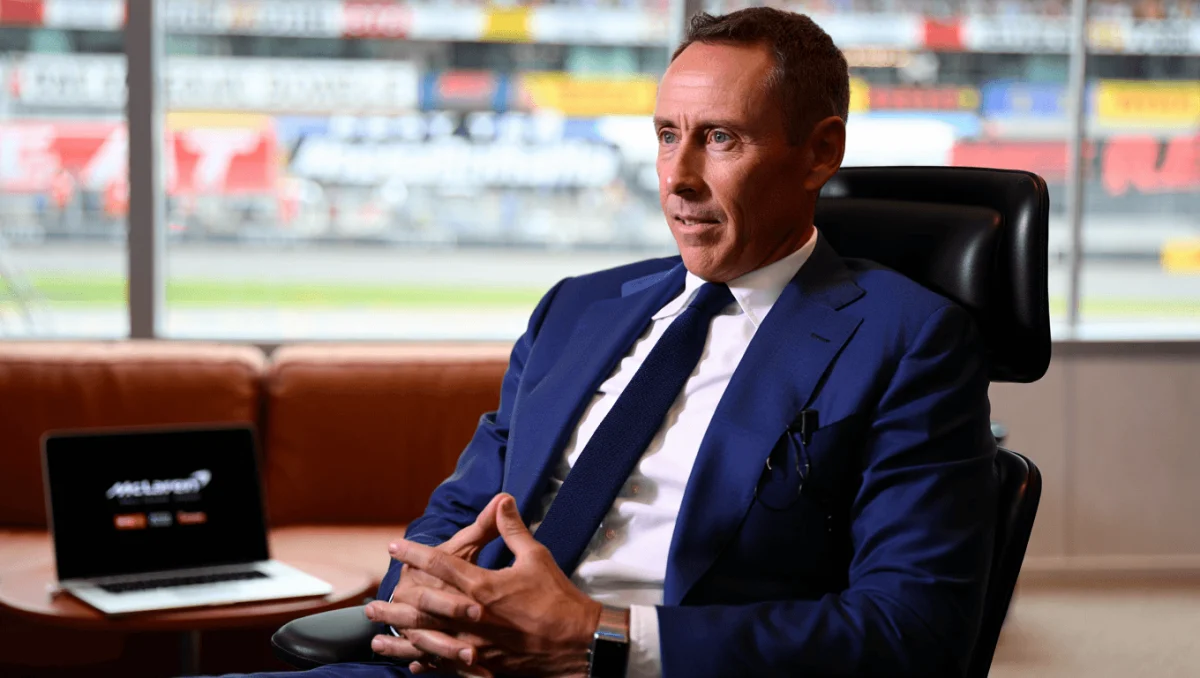
McLaren chief executive Zak Brown has formally asked the FIA to move quickly to curb shared ownership and close strategic alliances between Formula 1 teams, arguing such links threaten the sport’s fairness. The appeal follows renewed attention after reports that Mercedes is among parties interested in a 24% stake in Alpine, a deal Brown says underlines why fresh rules are urgently needed.
Why Brown wants the FIA to act
In a letter to FIA president Mohammed Ben Sulayem, Brown outlined concerns that common ownership and tight alliances can create conflicts of interest and distort competition. He warned these arrangements can produce practical advantages — from staff moves and intellectual property transfers to tactical on-track actions — that are hard to police under current rules.
Lexus unveils six-seat electric SUV: fitted with faux V10 soundtrack
Mini Cooper to get bigger mid-cycle refresh as small-car rivalry intensifies
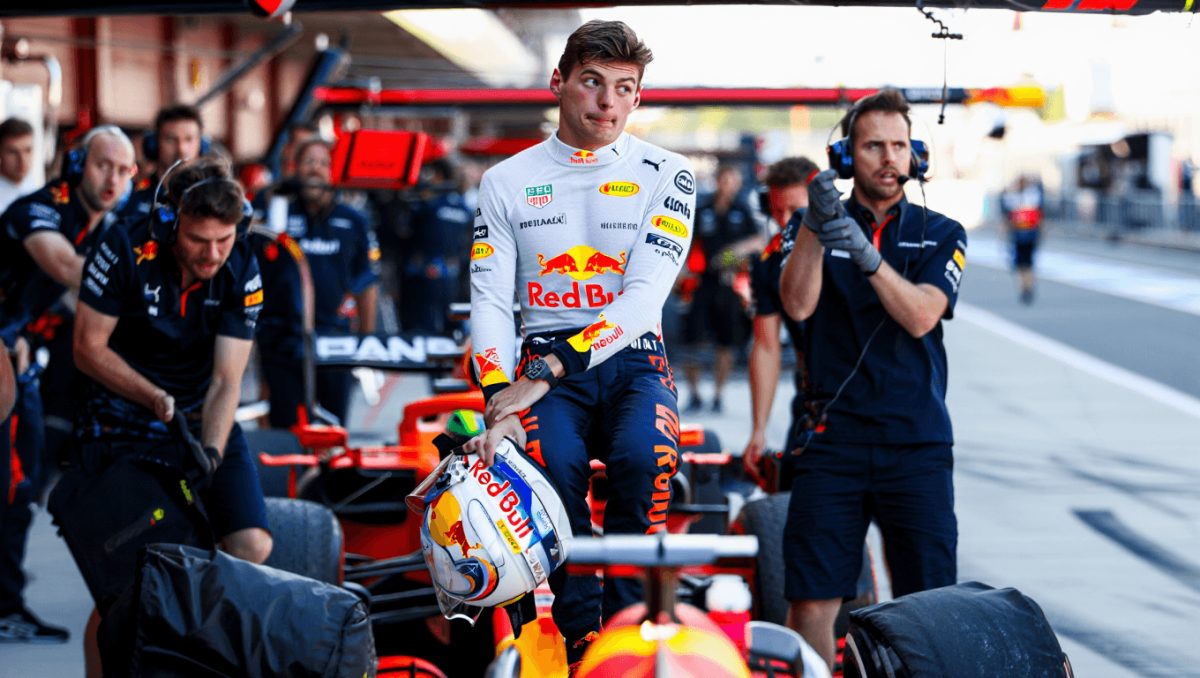
Brown acknowledged that some ownership models predate today’s commercial landscape, singling out the Red Bull group’s dual-team setup as an historical exception. But he argued the sport has changed: teams are now valuable, financially resilient businesses, so the rationale for cross-team dependencies has weakened.
Specific risks Brown highlights
His letter points to several types of behaviour that, he says, undermine equal competition: personnel switching between affiliated squads; engineered race outcomes that favour a parent team; and the movement of technical know‑how or IP in ways that can give one side a cost‑cap advantage.
- Personnel flow: Rapid staff transfers between related teams can shorten the time before sensitive information is reused.
- Technical sharing: IP or data sharing could circumvent spending controls and development limits.
- Sporting manoeuvres: Race strategies or on-track incidents that produce results benefitting one group over others.
What Brown is asking for
Brown urges the FIA to ban any new instances of multi‑team ownership and to begin examining ways to regulate or unwind existing alliances. He points to football’s approach to multi‑club ownership — which uses structural safeguards such as independent trusts and operational restrictions — as a possible model for F1.
| Proposal | Intended effect |
|---|---|
| Ban on new co‑ownership | Prevent future conflicts of interest and preserve independence across teams |
| Regulation of alliances | Limit technical and strategic collaboration that could distort results |
| Unwinding existing ties | Restore a level playing field where each team competes autonomously |
He has asked the FIA to open formal discussions with Liberty Media, which manages F1’s commercial rights, to draw up measures that would address sporting, technical and financial integrity concerns.
Context: the Alpine stake and wider debate
Interest from Mercedes in the 24% Alpine stake held by investment group Otro Capital has renewed scrutiny of ownership questions. Critics fear such a purchase could create a de facto satellite arrangement — a perception Brown says risks the sport’s reputation even if no explicit collusion occurs.
Other names have reportedly been linked to the same stake, illustrating how valuable team equity is today and why ownership shifts are high‑stakes for rivals, sponsors and manufacturers.
FIA president Ben Sulayem has publicly described multi‑team ownership as problematic and said the governing body is examining the legal and sporting implications. He has flagged concerns about voting power, regulatory influence and the erosion of the sport’s competitive spirit if a single group controls more than one team.
Mercedes’ F1 chief has denied any intention to run a junior squad, but the episode has nonetheless pushed the debate back into the spotlight, with team principals, regulators and fans all watching closely.
For supporters and stakeholders, the outcome matters because it shapes how fair and independent competition will be in the next decade. Any regulatory shift could affect driver careers, team valuations, commercial deals and how technical development is shared or restricted.
Brown’s intervention is a clear prompt for the FIA to clarify whether it will tighten governance on A/B teams and related structures — and if so, how quickly those changes will be implemented to protect the sport’s integrity.