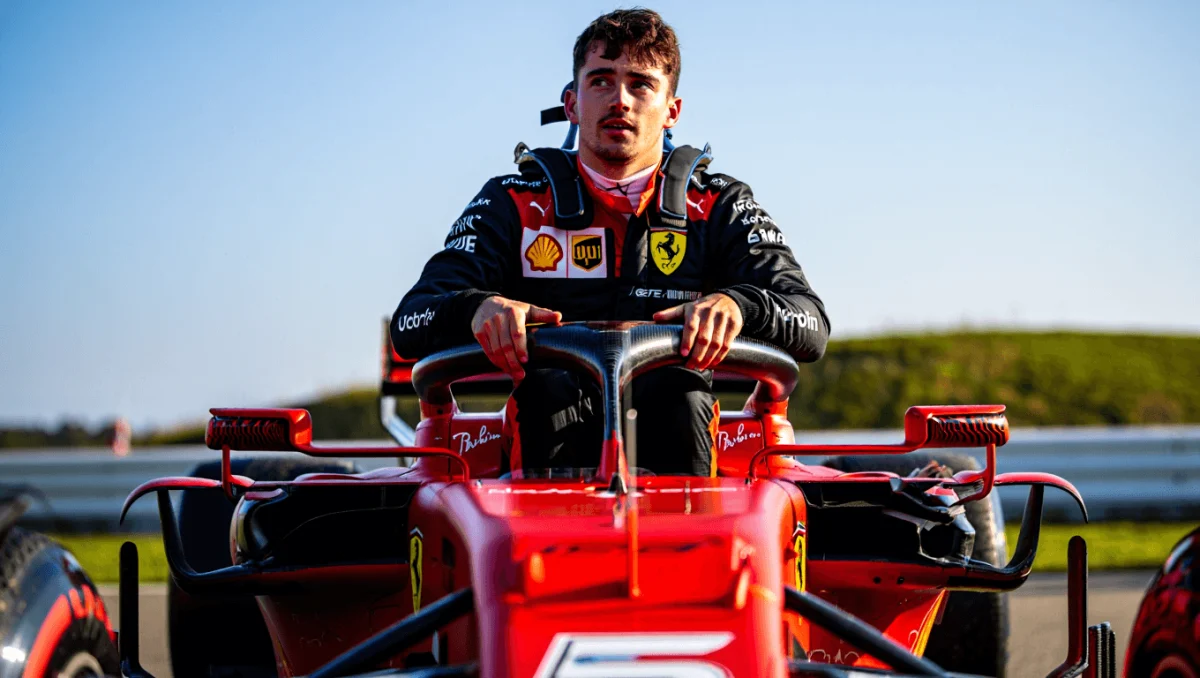
McLaren’s bold choice to start the Canadian Grand Prix on intermediate tyres backfired spectacularly on Sunday, leaving the Woking team with scarcely any points and plenty of questions for the pit wall. The gamble looked plausible in damp conditions before the race, but a drying track forced an early rethink and decisive pitstops.
Rain had flirted with the Montreal air, prompting McLaren to commit to intermediates while other frontrunners stayed on slicks. The surface, however, began to clear by the formation lap and both McLaren drivers were quickly forced into damage-limitation mode.
Oscar Piastri, who began fourth, dived into the pits at the end of the opening lap for medium tyres; Lando Norris—who started third and briefly led the race off the line—followed suit a lap later. Norris’s early advance had been helped by sluggish Mercedes starts this season, but that advantage evaporated once the team abandoned the inters.
Lexus unveils six-seat electric SUV: fitted with faux V10 soundtrack
Mini Cooper to get bigger mid-cycle refresh as small-car rivalry intensifies
Malfunction then compounded misfortune for McLaren. Norris retired with a gearbox problem, while Piastri finished outside the points in 11th after serving a 10-second penalty for making contact with Alexander Albon during his recovery fight.
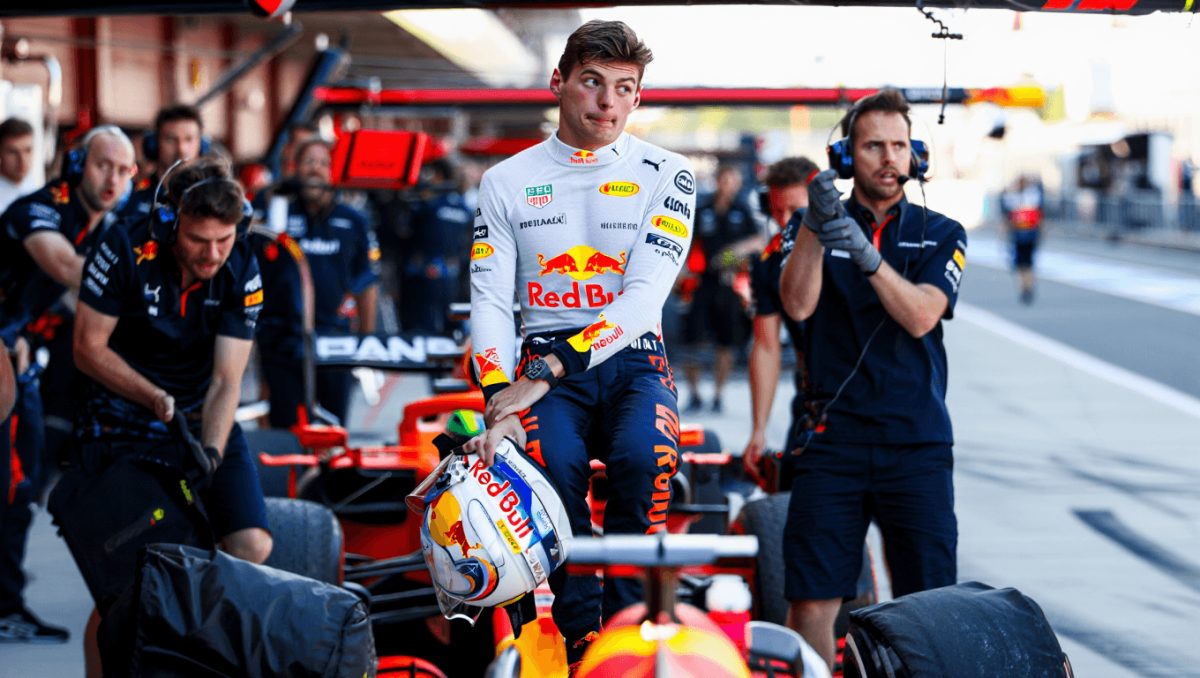
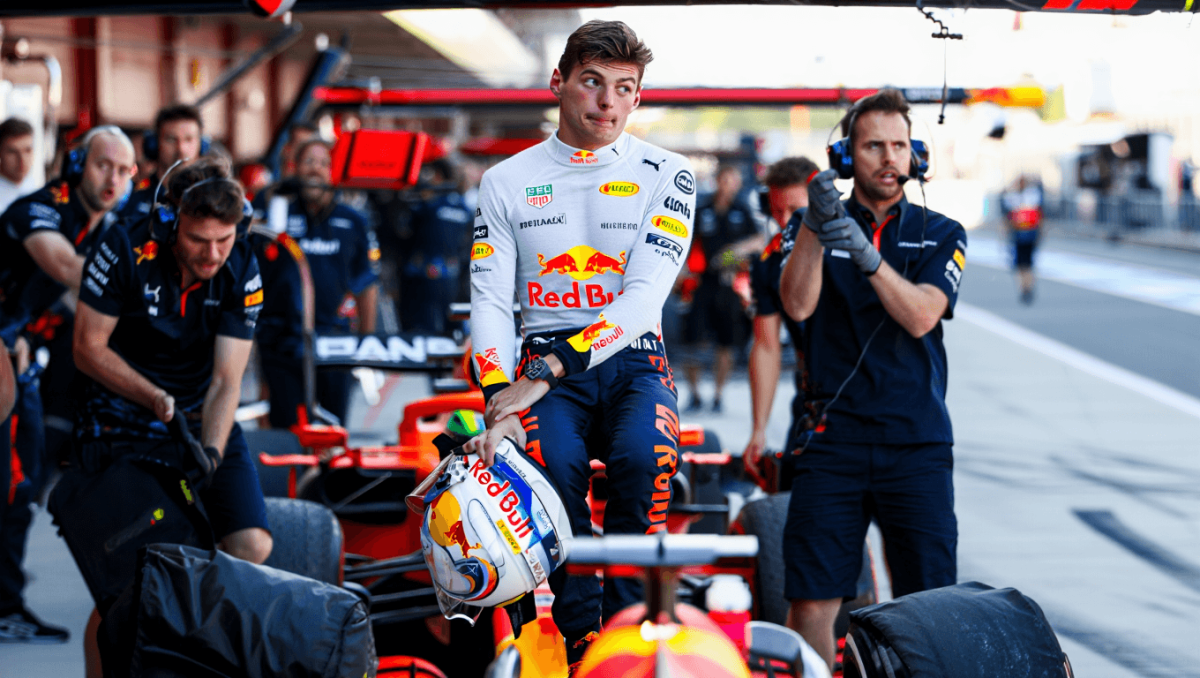
The chaos handed career-relevant gains to others: Andrea Kimi Antonelli took victory for Mercedes after George Russell retired from the lead, Lewis Hamilton recovered to second, and Max Verstappen claimed his first podium of 2026 in third.
Verstappen later laughed off McLaren’s call, saying the misstep made life easier for those running on slicks. Antonelli admitted he was surprised to see McLaren alone among the frontrunners on inters and called the move a “massive gamble” that simply did not pay off when the rain eased.
| Driver | Team | Start tyre | Grid | Result |
|---|---|---|---|---|
| Oscar Piastri | McLaren | Intermediates | 4 | 11th (10s penalty) |
| Lando Norris | McLaren | Intermediates | 3 | Retired (gearbox) |
| Andrea Kimi Antonelli | Mercedes | Slicks | 1 | Winner |
| George Russell | Mercedes | Slicks | 2 | Retired from lead |
| Max Verstappen | Red Bull | Slicks | — | 3rd (podium) |
| Lewis Hamilton | Ferrari | Slicks | — | 2nd |
What this means now
The failed tyre gamble has immediate championship and reputational consequences for McLaren. Points that might have consolidated their standing were lost, while questions will swirl about the team’s weather analysis and split-second calls under pressure.
- Lost opportunity: McLaren leave Montreal with limited points from two cars, weakening a weekend that began promisingly.
- Strategic scrutiny: The pit wall will face scrutiny over interpreting track evolution and weather forecasts.
- Wider ripple effects: Mercedes and Ferrari capitalised, and Verstappen’s podium keeps Red Bull in the mix despite not taking the inters gamble.
- Risk vs reward: The incident underlines how quickly a weather call can transform from shrewd to costly.
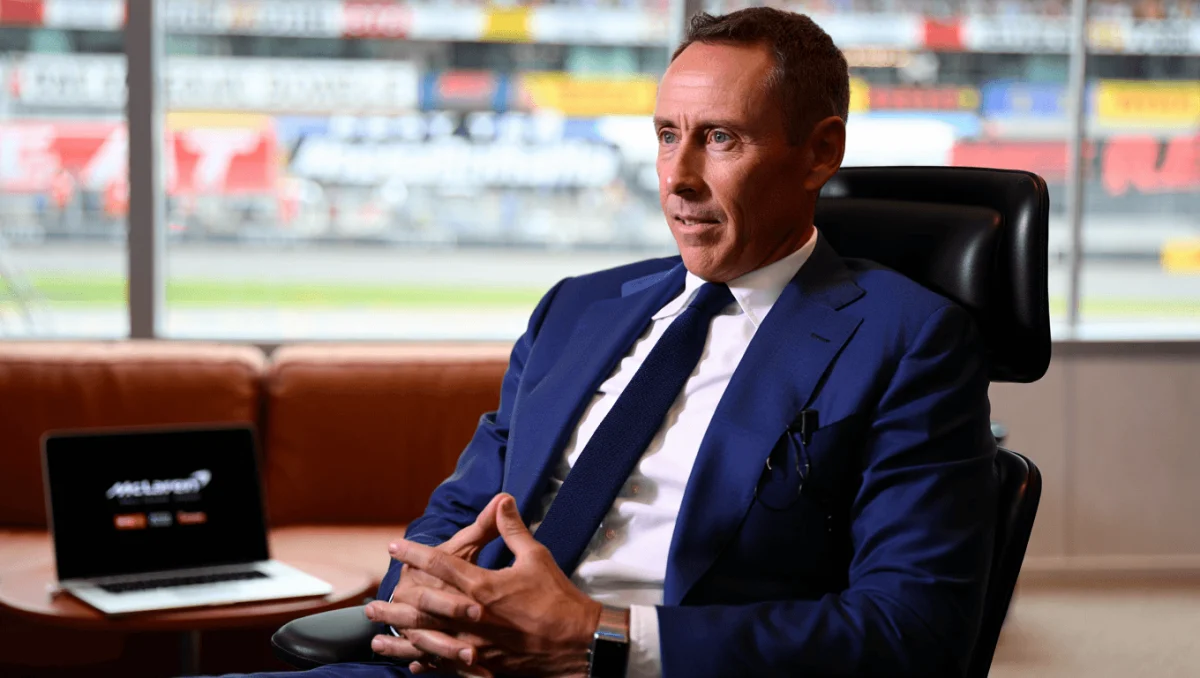
Notably, McLaren were not the very only side to try intermediates—teams lower down the order, including Audi, Williams and Cadillac, took the same route—but among the front-running outfits they stood out. Red Bull’s leadership said they were comfortable not to tempt fate, noting that post-race hindsight always makes choices look clearer.
The Canadian Grand Prix served up a reminder that in Formula 1, conditions and one small mechanical failure can reshuffle a race in minutes. For McLaren the lesson is immediate: a weather-led gamble that misfires can be season-defining if it costs both cars significant points.