
Show summary Hide summary
Pierre Gasly’s eighth place in Montreal looked reassuring on the scoreboard, but the result concealed a recurring mystery: the Alpine driver has lost a chunk of one-lap pace since the team’s recent upgrade package. That shortfall — especially evident in qualifying — leaves Alpine needing answers before the tight timetable of summer races, with Monaco looming as the next major test.
Upgrades worked for one car, unsettled the other
Alpine’s A526 has shown clear progress this season, and across the paddock the upgrade brought a lift in performance — most noticeably for team-mate Franco Colapinto, who has looked more comfortable since Miami. Yet Gasly has reported a sudden change in the car’s behaviour, one that has cost him in single-lap trim and seen him slip behind Colapinto in four straight qualifying attempts across two sprint events.
Pierre Gasly battling unexplained car faults: Alpine intensifies hunt for the cause
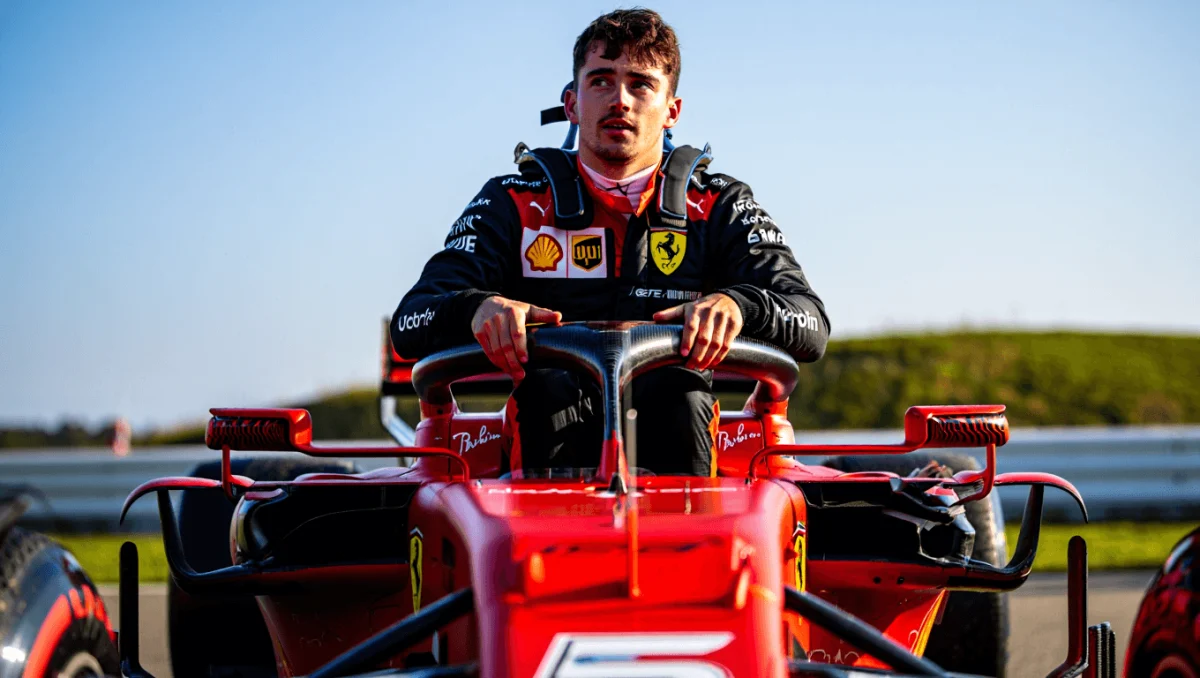
Ferrari on edge: Leclerc pledges to defend 2026 F1 crown
The timing is notable: the symptoms appeared after Alpine introduced aerodynamic and parts changes. While the new package appears effective overall, engineers cannot yet rule out that the upgrades altered airflow or balance in a way that reduced Gasly’s low-speed traction.
What happened in Montreal
Gasly’s weekend was impacted further by an unfortunate Q1 incident when he struck a groundhog, causing damage that curtailed his qualifying run and left him out of Q3. That left Alpine uncertain about how much pure speed he might have had without the contact, and why Lewis Hamilton’s interference did not trigger a larger reaction from the camp given the circumstances.
During the sprint weekend the team carried out a methodical process of elimination: they changed set-ups, reverted to an older floor and tested different components to try to isolate the issue. The measures improved race pace enough for damage limitation, but the root cause remains elusive.
- Observed problem: reduced traction at low speeds, most visible in qualifying.
- Actions taken at track: set-up adjustments, parts swaps, running an older floor and extended data collection.
- Immediate result: race pace recovered sufficiently for eighth in Montreal, but qualifying deficit persists.
- Next step: detailed analysis back at Enstone to compare components, aero maps and telemetry.
Why it matters now
The issue is more than a weekend bother. Losing single-lap performance regularly undermines starting positions, increases the risk of being caught in early incidents and makes strategy harder to execute in sprint formats. For Alpine — which has been making steady advances in 2026 — an unexplained split in car behaviour between its drivers presents a tactical and developmental challenge.
Circuit Gilles Villeneuve is particularly unforgiving: its sequence of chicanes and long straights highlighted the traction deficit, while cold race temperatures made it difficult for Gasly to warm his tyres and stay with rivals in the opening laps. That combination amplified a problem that might be less visible on other circuits.
Team perspective and what’s at stake
Alpine’s managing director stressed the team will pursue the anomaly thoroughly rather than react hastily. The squad’s approach through the weekend — methodical, not panicked — produced a points finish, but they recognise the need to understand what changed and why it affected just one car.
For Gasly, the task is clear: regain the lost traction potential so he can extract maximum lap time in qualifying. He has felt the change since Miami and says the data confirms a measurable difference; the explanation could be a small component variance or a subtle aerodynamic side-effect that only becomes apparent under specific conditions.
Outlook ahead of Monaco
Time is tight. Alpine will bring the A526 back to its Enstone base for deeper inspections and wind-tunnel or CFD comparisons. Engineers will prioritise:
- component-by-component checks between the two cars;
- aero correlation tests to verify the upgrade’s side effects;
- tyre and traction simulations to replicate low-speed behaviour;
- set-up sensitivity studies to see if small adjustments restore confidence.
If the team finds a fix quickly, Gasly could be back to showing the one-lap form that made him a frontrunner in early rounds. If not, Alpine risks uneven driver results that could slow its momentum during a critical development phase of the season.
The Montreal weekend made one thing plain: the field is evolving fast and small changes can have outsized effects. Alpine’s challenge now is diagnostic rather than cosmetic — a technical puzzle that must be solved before the paddock heads to the unforgiving, low-speed demands of Monaco.