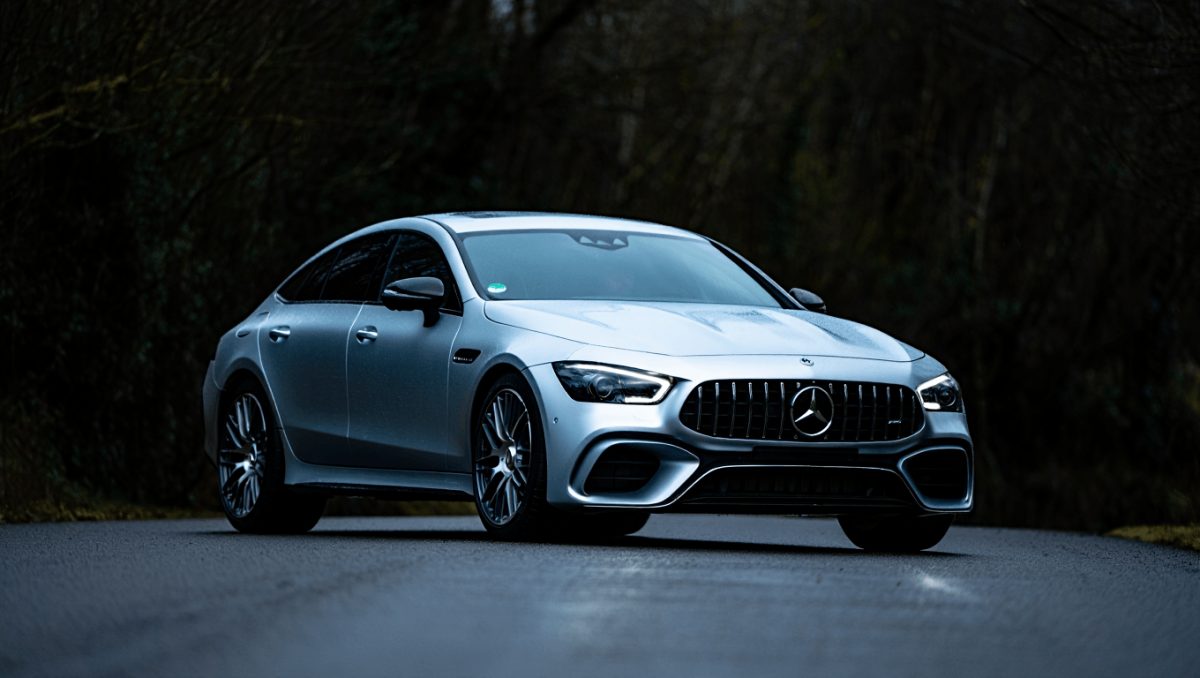
After almost six months on the road and roughly 10,000 miles clocked, the Aston Martin DBX 707 has settled into everyday life—yet it still draws attention from first-time observers. That continued curiosity matters now as rival high-performance SUVs from the likes of Ferrari enter the market, and as Aston Martin works through a few lingering issues that affect ownership.
In a small town the 707 feels less solitary—my example is one of four DBXs locally, including another 707 painted satin gold—but it remains uncommon on the wider roads. The DBX helped reshape Aston Martin’s sales: in earlier years the model represented a substantial slice of the marque’s deliveries, and manufacturers such as Ferrari plan significant volumes for their new SUV lines. Those shifts underline why the segment is strategically important to performance marques and why early teething problems are worth tracking.
Colleague Dickie Meaden is currently testing how close the Ferrari and Aston Martin come to one another in this upper tier of sporty luxury SUVs. While his comparison focuses on how each brand balances performance and refinement, I’ve been looking after the practical side of life with the DBX—specifically, the less glamorous but commercially important details.
Vauxhall affordable EV planned for 2028 with Chinese partner
Citroen C5 Aircross from £190 a month: spacious, ultra-comfy SUV deal to watch
What still needs attention
There are two clear areas where the 707 could be improved. First, some of the aerodynamic addenda—splitters, blades and extended sills—don’t meet with the snug fit you’d expect at this price point. The gaps between trim pieces are noticeable. That looseness arguably stems from a complex development period: the project spanned a change of senior management and different engineering teams, which can leave refinements to be resolved after launch. A future update needs to tighten those joins and address a fouling issue with the tailgate that causes water to dribble in when the hatch is opened after rain.
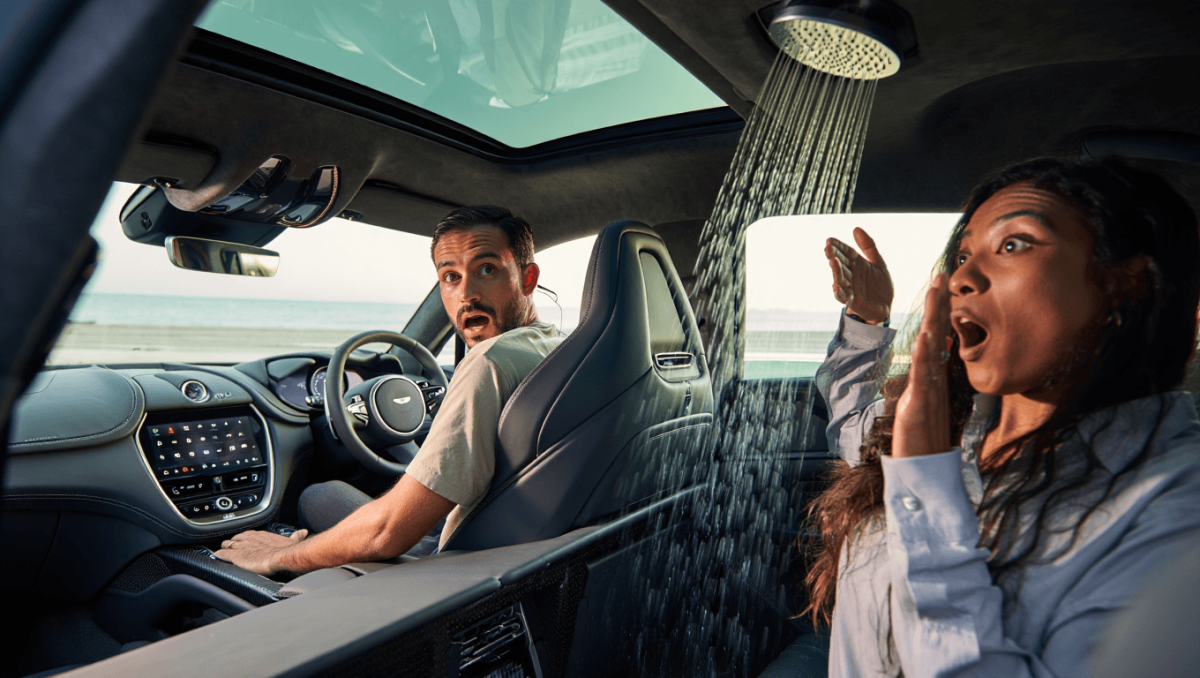
The second area is the car’s human–machine interface. Although Aston Martin has significantly upgraded the system in newer cars, the unit in this particular vehicle remains frustrating on a day-to-day basis. The centre display defaults to Apple CarPlay (there is no Android Auto option), and the underlying Mercedes-sourced software feels dated, limiting seamless smartphone integration. Aston Martin is aware and has signalled a fix; when applied, it should bring the cabin’s electronics more in line with the car’s otherwise contemporary feel.
- Trim and aero: visible gaps between body and aero pieces; tailgate leak after rain.
- Infotainment: improved on current cars but the example here relies on Apple CarPlay only; core software needs modernising.
- Driving experience: the car’s performance—its power and dynamics—remains the strongest selling point and compensates for many small irritants.
The practical takeaway is straightforward: owners can enjoy the 707’s exceptional performance and on-road manners, but there are realistic expectations to set regarding finish and infotainment until the promised updates land.
| Total mileage | 9,212 miles |
|---|---|
| Mileage this month | 1,390 miles |
| mpg this month | 23.3 mpg |
| Total running costs (so far) | £0 |
| Purchase price | £223,000 |
| Estimated current value | c. £120,000 |
To be clear: the DBX 707 remains a compelling vehicle on the road. Its blend of raw power and chassis control is still intoxicating and makes day-to-day frustrations more bearable. But for prospective buyers and current owners, the timing of promised software and trim refinements is the key detail—those fixes will determine whether the model feels truly complete in the long term.
Originally published in evo issue 316.