Show summary Hide summary
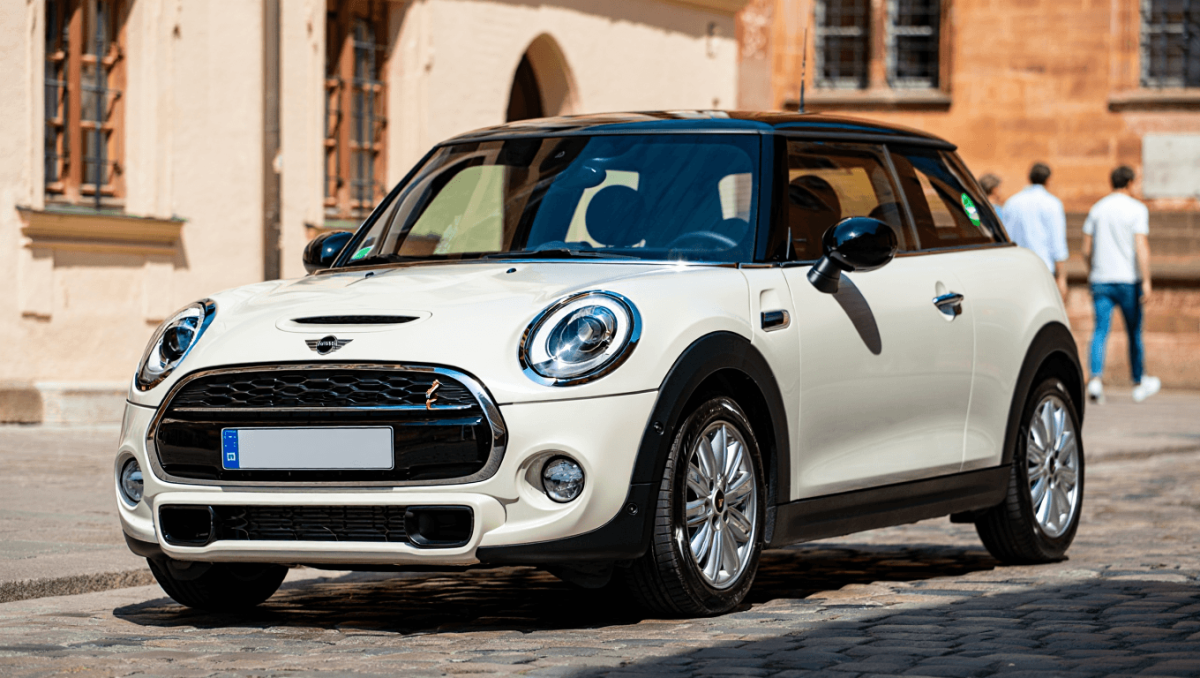
Over the next 12 to 18 months MINI will refresh its entire line-up with a package of cosmetic, software and option changes designed to keep its models current while the brand delays any all‑new cars until at least 2029. The updates aim to sharpen the model range for existing buyers and give potential customers more ways to personalise their cars.
MINI’s design leadership says this is a comprehensively planned mid‑life refresh rather than a series of small tweaks: the work touches exterior styling, in‑car systems and the options list, and is intended to modernise how owners interact with their vehicles.
What the update will cover
The manufacturer plans a coordinated update across the Cooper, Countryman and Aceman families. Changes are expected to be rolled out steadily over the coming year to year and a half, with the emphasis on improving user experience and expanding visual choices rather than introducing radically new models.
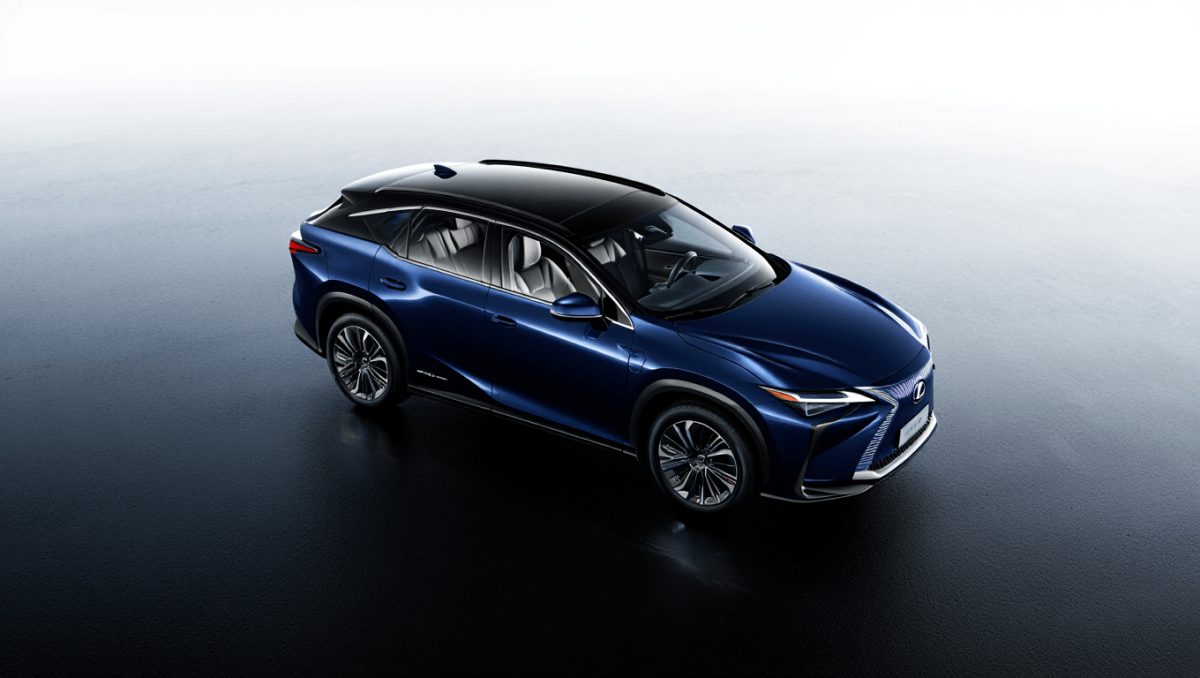
Lexus unveils six-seat electric SUV: fitted with faux V10 soundtrack
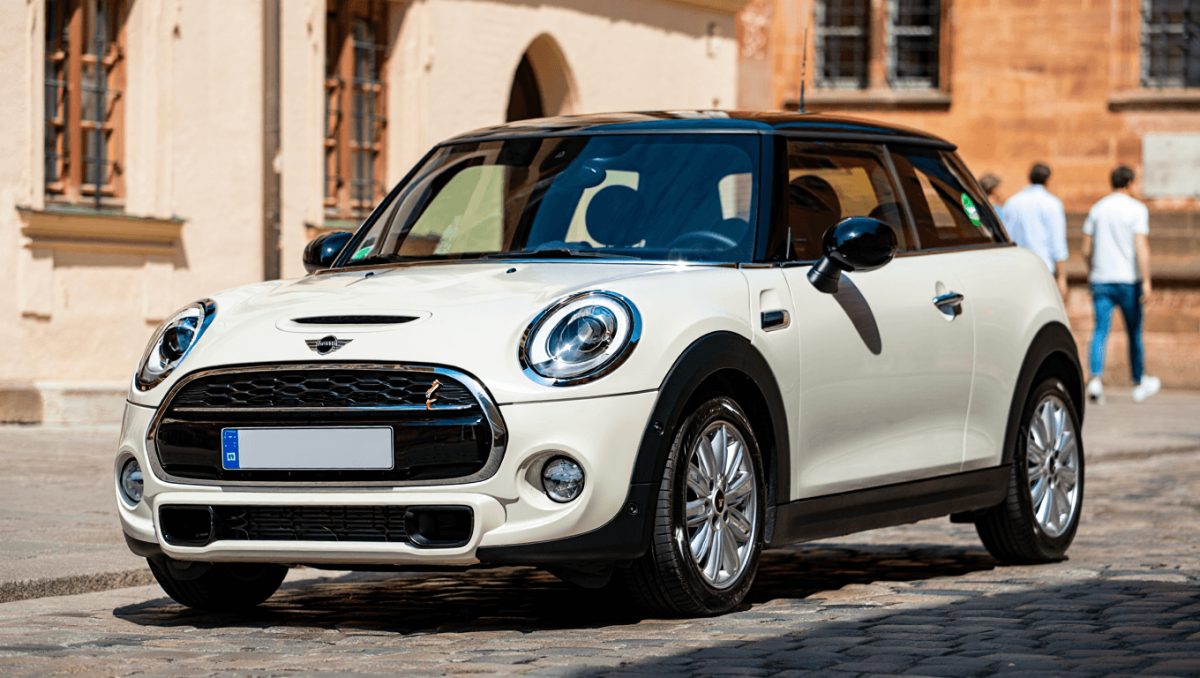
Mini Cooper to get bigger mid-cycle refresh as small-car rivalry intensifies
Unlike many rivals that are simplifying trim levels and moving customers towards fixed online packs, MINI intends to broaden individual choice. The marque sees customisation as central to its identity and will restore more flexible configuration options rather than restricting buyers to a handful of finishes.
- Styling revisions: subtle exterior and interior changes to keep each model contemporary
- Software and UX upgrades: refreshed user interfaces and improved connectivity
- Expanded options: more colours, trims and accessories to enable personal expression
- Special editions: new limited models to mark the brand’s 25th anniversary and showcase different design directions
Design chiefs also say the refresh will be an opportunity to demonstrate different “characters” for existing cars, using special models and visual packages to highlight how far personalisation can go.
Why this matters now
With no major new-generation MINIs slated until 2029, these mid‑life revisions are the brand’s primary route to remain competitive in an increasingly tech-driven market. For buyers, that means refreshed interiors and electronics without waiting years for a full redesign — and more configuration choices at point of sale.
For the business, the strategy buys time to refine future products while keeping showroom appeal high. It also signals a pullback from the one‑size‑fits‑all online sales approach some manufacturers adopted, acknowledging that many MINI customers still value individuality.
Future models: a small city car in the works?
Work has already started on the next generation of MINIs. One feasibility project under consideration takes inspiration from the long‑rumoured Rocketman concept: a compact city car roughly 3.6 metres long that would pack advanced technology more commonly found in larger models.
Any such small‑car proposal would be expected to preserve core MINI values — nimble handling, strong character and scope for customisation — while offering modern connectivity and assistance systems that buyers now take for granted.
Alongside the feasibility study, the company is preparing a programme of celebratory special editions to mark the modern MINI’s 25th anniversary, using those cars to demonstrate possible new styling directions and bespoke options.
In short, MINI’s near‑term plan is to refresh and personalise what it already sells while investigating how to evolve its range for the latter half of the decade. For owners and prospective buyers, the most immediate effect will be new looks, smarter interfaces and a wider set of ways to make a MINI feel individual.